Weasel
 General Information and Description
Three species of weasels can be found in North America and Canada. The long tailed weasel, which is sometimes measure as long as 24 inches (61cm), the short-tailed weasel, which measures up to 13 inches ( 33cm) and the least weasel, which measures only 7 to 8 inches (18 to 20cm). The least weasel is often mistaken for a baby, because it's so small. Weasels are known to be slender and furry and usually have red or brown upper oats and white bellies. Sme populations of some species moult to a wholly white coat in winter. The long-tailed weasel also have a dark mask and are often referred to as bridled weasels. Weasels have very short legs, so short that their bodies appear to touch the ground.
The weasel is active during the during the day and at night. Highly territorial, weasels are known to behave aggressively against intruders. Weasels typically feed on small rodents like mice and voles, but, given the opportunity, will feast on your poultry as well.
Range
The most abundant and widespread is the long-tailed weasel, which can be found in parts of Kansas, Oklahoma, Texas and New Mexico. The short-tailed weasel can be found in Canada, Alaska and northeastern Great Lakes and northwestern states. The least weasel can be found in in Canada, Alaska and the northeastern and Great Lakes states.
Methods of Kill
Weasels are known to be very cunning. Their cleverness and guile makes them first class predators, and their prey is often no match to their agility. Chickens with the back of their necks and heads missing, with its intestines out and bitten at the rear are most likely victims of this wily animal. What’s interesting is that weasels kill not only for food, but also for sport. In fact, they are known to keep killing until there is nothing left to kill. Due to its slender body, these animals can easily wiggle through chicken wires, small runways, and narrow holes—making them the bane of poultry owners.
Prevention and Treatment
To protect your flock against weasels, make sure that your coops are sturdy and durable. Fit 1/2 inch plastic-coated hardware cloth, not chicken wire, that is heavily gauged on coop windows and any other openings. Chicken wire is good for keeping chickens in, but it won't keep predators, such as weasels, out. Also remember weasels can gain access through surprisingly small openings so make sure you cover any access points. Thoroughly examine all possible back entrances inside your chicken coop that the weasel can exploit.
If you had a weasel visiting your coop, you can set a trap. Make a 6x12-inch weasel box with a hole that is about 2 inches in diameter. Place a piece of fresh meat inside. Weasels are known to be attracted by the smell of fresh meat. If it is snowing, you can even drag the meat through the snow to make sure the weasel finds its way. Set up baby monitors and cameras so you can check on your chickens regularly, and visit the trap every day to see if you caught anything. Elevated chicken cages may also help to discourage these animals.
For more discussions on weasels and how to protect your flock visit the Predators and Pests section of the forum.
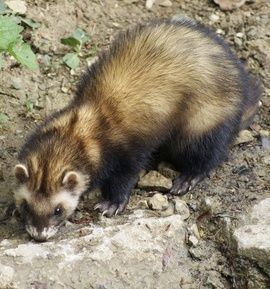
Three species of weasels can be found in North America and Canada. The long tailed weasel, which is sometimes measure as long as 24 inches (61cm), the short-tailed weasel, which measures up to 13 inches ( 33cm) and the least weasel, which measures only 7 to 8 inches (18 to 20cm). The least weasel is often mistaken for a baby, because it's so small. Weasels are known to be slender and furry and usually have red or brown upper oats and white bellies. Sme populations of some species moult to a wholly white coat in winter. The long-tailed weasel also have a dark mask and are often referred to as bridled weasels. Weasels have very short legs, so short that their bodies appear to touch the ground.
The weasel is active during the during the day and at night. Highly territorial, weasels are known to behave aggressively against intruders. Weasels typically feed on small rodents like mice and voles, but, given the opportunity, will feast on your poultry as well.
Range
The most abundant and widespread is the long-tailed weasel, which can be found in parts of Kansas, Oklahoma, Texas and New Mexico. The short-tailed weasel can be found in Canada, Alaska and northeastern Great Lakes and northwestern states. The least weasel can be found in in Canada, Alaska and the northeastern and Great Lakes states.
Methods of Kill
Weasels are known to be very cunning. Their cleverness and guile makes them first class predators, and their prey is often no match to their agility. Chickens with the back of their necks and heads missing, with its intestines out and bitten at the rear are most likely victims of this wily animal. What’s interesting is that weasels kill not only for food, but also for sport. In fact, they are known to keep killing until there is nothing left to kill. Due to its slender body, these animals can easily wiggle through chicken wires, small runways, and narrow holes—making them the bane of poultry owners.
Prevention and Treatment
To protect your flock against weasels, make sure that your coops are sturdy and durable. Fit 1/2 inch plastic-coated hardware cloth, not chicken wire, that is heavily gauged on coop windows and any other openings. Chicken wire is good for keeping chickens in, but it won't keep predators, such as weasels, out. Also remember weasels can gain access through surprisingly small openings so make sure you cover any access points. Thoroughly examine all possible back entrances inside your chicken coop that the weasel can exploit.
If you had a weasel visiting your coop, you can set a trap. Make a 6x12-inch weasel box with a hole that is about 2 inches in diameter. Place a piece of fresh meat inside. Weasels are known to be attracted by the smell of fresh meat. If it is snowing, you can even drag the meat through the snow to make sure the weasel finds its way. Set up baby monitors and cameras so you can check on your chickens regularly, and visit the trap every day to see if you caught anything. Elevated chicken cages may also help to discourage these animals.
For more discussions on weasels and how to protect your flock visit the Predators and Pests section of the forum.