
General Information
- Breed Purpose
- Ornamental
- Comb
- Buttercup
- Broodiness
- Seldom
- Climate Tolerance
- Heat
- Egg Productivity
- Low
- Egg Size
- Small
- Egg Color
- White
- Breed Temperament
- Friendly,Wild/restless, Not bear confinement well
- Breed Colors/Varieties
- Males are a rich orange red with black spangles in their feathers and a lustrous black tail with beetle-green highlights. Base color for females is deep gold or amber with all feathers accented by black spangles. Shanks and toes are olive or yellowish green.
- Breed Size
- Large Fowl

The Sicilian Buttercup, aka Flowerbird we know originated from the island of Sicily. The exact makeup of the breed is lost in time, but it is thought that it descends from the Siciliana breed native to Sicily, which was developed when local birds were interbred with North African birds. Similar chickens are seen in 16th-century paintings found in Rome, Paris and the Vatican.
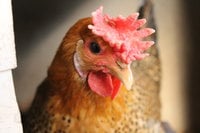
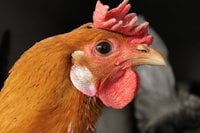
The Buttercup is easily recognisable due to its unique comb and attractive color pattern. The Buttercup has two single combs which merge at the front and back giving it the appearance of wearing a crown. It comes in only one color/pattern, the roosters are a reddish gold with black tail and the hens a goldish buff in color, with the hens also marked with regular black spangles. It is quite heat tolerant, very active and a good forager. While it is often flighty when young, it is a social bird and adults are usually quite people friendly. They are very good flyers. The combs are susceptible to frostbite, especially the larger combs on the males. The hens are Fair to Good layers of medium sized eggs and are non broody.
It was imported into the US as early as 1835, the first well documented import was in 1860 when C. Carroll Loring of Dedham, Massachusetts, who bred and promoted them for over fifty years, received birds from a Captain Dawes. Captain Dawes had taken some chickens for meat on an ocean voyage, he kept some of the better laying ones which he gave to his neighbor Mr Loring. It is known that all current birds also descend from a shipment that arrived in 1892. It was quickly popular as a laying hen and as an exhibition bird and the first breeders club in the US had 600 members by 1914, it was added to the APA in 1918. Its popularity was rather short lived as it was not competitive with the commercial leghorn type breeds so far as egg production. The breed was also popular in England in the 1920’s but also declined in popularity with the advent of the commercial laying breeds.
It was recognized by the APA in 1918.
It is on The Livestock Conservancy's Watch / Threatened list.
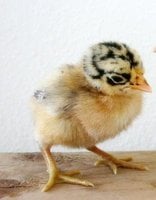
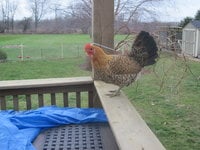
Sicillian Buttercup chick
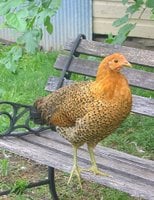
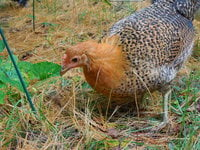
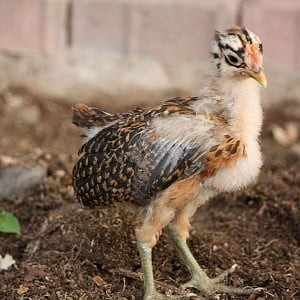
Sicillian Buttercup juvenile
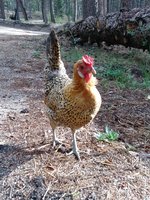
Sicillian Buttercup hen
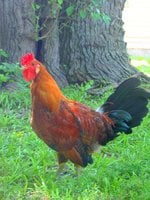
Sicillian Buttercup rooster
For more information on this breed and their owners' and breeders' experiences with them, see our breed discussion here: https://www.backyardchickens.com/threads/chicken-breed-focus-sicillian-buttercup.1137582/