


General Information
- Breed Purpose
- Dual Purpose
- Comb
- Single
- Broodiness
- Frequent
- Climate Tolerance
- All Climates
- Egg Productivity
- Medium
- Egg Size
- Large
- Egg Color
- White
- Breed Temperament
- Friendly, Easily handled, Docile
- Breed Colors/Varieties
- Silver-Gray, Cuckoo, Coloured, Red, White
- Breed Size
- Large Fowl
- APA/ABA Class
- English

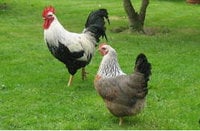
The Dorking is a very old English breed that has primarily been raised throughout its history as a table bird. The breed has two unusual distinguishing features, having an extra hind toe and rather short legs. The exact origins of Dorkings is shrouded in time, but table birds with five toes whose description fits the Dorking, were mentioned as far back as AD47 in Roman writings, and it is believed the Romans introduced the birds to England. It was a landrace from around the town of Dorking, England which was eventually developed into the breed that we know today.
The breed has a fairly calm, gentle temperament, the birds are good foragers and are not inclined to wander. Besides being considered one of the best table birds, and primarily bred for that, Dorking hens are good winter layers. The hens do go broody fairly often and make very good mothers and are often used to foster other chicks. Dorkings also have red earlobes, which is uncommon in layers of white eggs.
They come in a number of colors, including, White, Red, Cuckoo, Colored, and Silver Gray.
They were introduced into the US early on, exactly when is unknown, but they were shown in their first poultry show in 1849. Quite popular in their time, they were gradually replaced by the commercial hybrid meat birds, and they are a rather rare breed now. It was recognized by the APA in 1874 and is on The Livestock Conservancy's Threatened list.
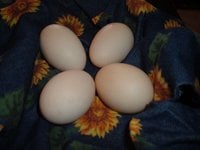
Dorking eggs
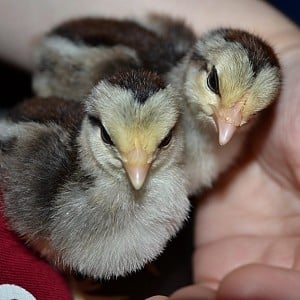
Dorking chicks
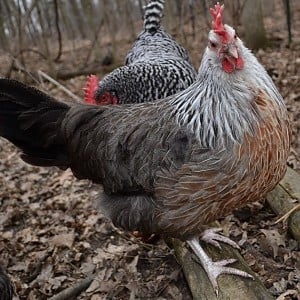
Dorking hen
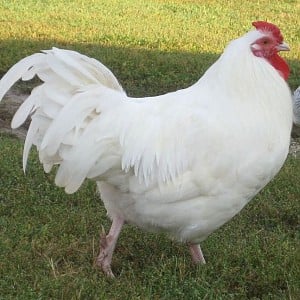
Dorking rooster
For more information on Dorkings and their owners' and breeders' experiences with them, please see our breed discussion here: https://www.backyardchickens.com/threads/chicken-breed-focus-dorking.994592/