What People are Saying

More Related Forum Threads and Articles

Phoenix

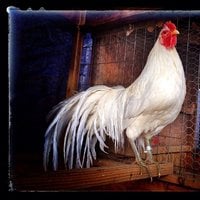
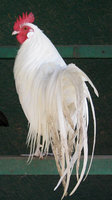
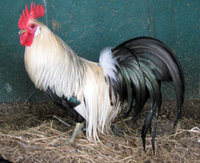
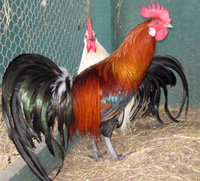
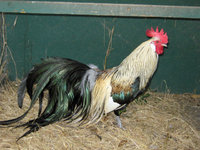
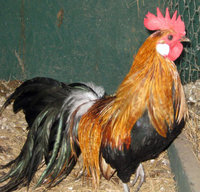
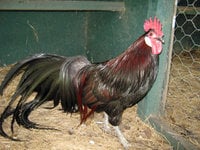
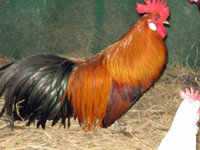
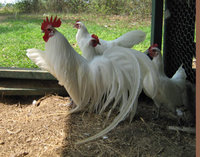
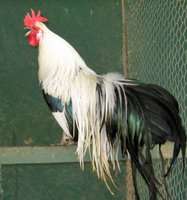
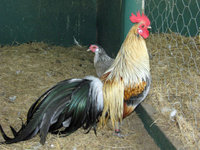
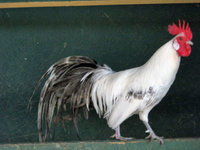
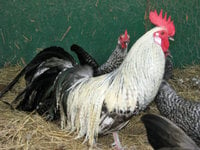
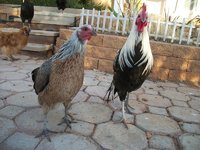
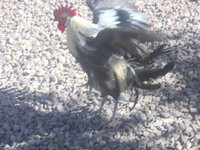
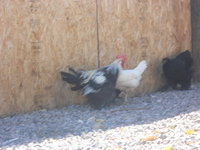
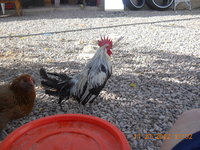
Phoenix were created in Europe by combining strains of the Japanese Onagadori with more commonly available birds, leghorns, dutch, and various games were most commonly used. There are three recognized colors by the APA: Silver, Golden, and Black-Breasted Red, although several breeders have developed many additional colors.

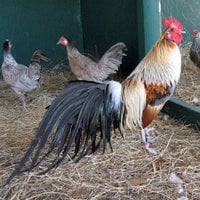
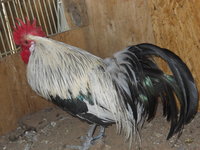
A Phoenix is a long-tailed bird that will molt every 1-2 years. Their tails typically reach 2-3 feet in length, with longer lengths possible only from a few select breeders. They should have a full curtain of saddle feathers and it is desirable that they touch or reach the ground. They are not to be confused with their distant ancestors, the Onagadori, who are non-molting longtail birds who have tails exceeding 12 feet in length. There are no Onagadori currently in the US, although there are some birds of partial heritage.

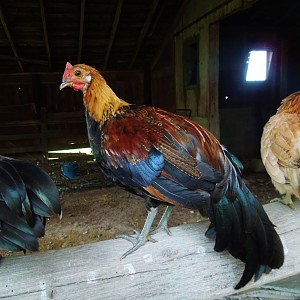
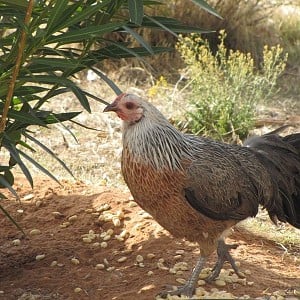
The Phoenix should have a pheasant-like appearance, white earlobes, a single comb, and slate colored legs. The tail should be carried horizontally in roosters and slightly higher in hens. Phoenix hens are good layers of small to medium sized eggs, and go broody frequently. They are an active bird with excellent flight skills, and can make a great free range bird if given proper shelter and escape routes from predators. Keeping a Phoenix in a small coop is not recommended for best tail growth, as the tail will be stepped upon by coop-mates and ruined by frequent contact with feces and dirt. Large coops with runs that are cleaned regularly are great options for these birds. Covered, or elevated waterers, and a fully sheltered pen are a must if tail length is important to you, as are deep bedding in the pens. Otherwise, their care is no different than that of any other chicken breed.
If you are familiar with this product, please update the details list so it is complete!
Detail Value
Breed Purpose
Ornamental
Comb
Single
Broodiness
Average
Climate Tolerance
Heat
Egg Productivity
Low
Egg Size
Small
Egg Color
White
Breed Temperament
Aggressive,Friendly,Wild / restless,Flighty,Easily handled,Calm,Bears confinement well,Noisy,Quiet,Shy,Docile
Breed Colors/Varieties
Silver,Silver Duckwing,Golden,Golden Duckwing,Black,White,Black-Breasted Red,Golden Black
Blue Gold Duckwing,Variegated, others.
Breed Size
Large Fowl

Many products have multiple models (e.g. black edition, white edition, etc.). If you know of any other models of this product with a different MPN/UPC, please add them below.
Model Name/Type MPN EAN/UPC

If you know of links that pertain to this product, add them below. Be sure to fill out the full url; e.g. http://www.example.com/products/ML6782.asp


User Reviews: Phoenix

Ranked #45 in the category Chicken Breeds
Share Your Opinion. Rate this Item.

Share your thoughts with the community about this item so that you can help other users decide.

Write a Review
Community Rating (4 reviews)
Overall
April 5, 2012 at 2:12 am
Sonny Hatten
Reviewed by Sonny Hatten
Pros: everything
Cons: n/a

I want not only the bantam but the standard. I would like all the show color standard and bantam . Some plz help as im in love lol

February 20, 2012 at 7:11 pm
Whittni
Reviewed by Whittni
Pros: Very tame, friendly, broody, quiet crowing, good mothers, beautiful, non aggressive, excited by people, fly at heads, small
Cons: Flighty by nature (males don't like their back touched, but they are fine with tail etc.), upkeep with tail & roofed run

These are perhaps my favorite breed of chicken, but I love all of mine so much, this is a huge battle between cornish and phoenix as favorites...well let me tell you about this wonderful breed of chicken:


I own three silver phoenix bantams, 1 rooster named: Satchel & 2 hens named: Peanut and Tula

They fly at faces and hands so they can be close to you, they love to cuddle and be warmed up in your coat, even Satchel my rooster. Satchel has a soft crow, and its not high pitched and he doesn't crow all that often, maybe 5 or 6 times a day, if that. Tula and Peanut are so gentle. The entire trio will walk or fly into my family's house at all costs, and of coarse we reward this 'behavior' with bread and laughter. They are guard-dog/chickens to people at the door when out of their pen...flying at any new hand, shoulder or face expecting food! gig.gifPeanut was broody for three days, then I tried to move her and she got stubborn. They have a roofed in run for the rooster's conditioning. I haven't showed these birds yet but they will do amazing. A 4 by 4 coop with a 4 by 8 run suits a trio well with a little monitored free ranging.


Tula

Satchel

Tula


They are also crazy about peanuts! Comment w/Questions.

January 15, 2012 at 1:07 pm
Boggy Bottom Bantams
Pros: not a more beautiful chicken out there
Cons: none in my opinion

The phoenix and all long tailed fowl hold a special spot in my heart. To me these are just the perfect ornamental fowl in the chicken world. A properly bred bird from great lines is just a sight to see. Even those who hate chickens usually always have something nice to say when they see them for the first time. They are one of my primary breeds I focus on, in bantam mainly, but recently got some very nice large fowl too. I have them in over 20 colors and all are equally a sight to behold.


There are many misconceptions about the phoenix and their origin though. We have the hatchery world to thank for that. They ( every hatchery out there) describes them as being 20 foot tailed Japanese birds... Nothing could be further from the truth. Phoenix have never been bred in Japan. Their ancestors, the onagadori where. PHOENIX ARE NOT ONAGADORI. They are a totally separate breed created in Europe, especially Germany, and also in the USA. Onagadori lines were used in combination with things like leg horns, dutch, old english, and various game breeds to create the phoenix, just depended on whether the breeder was making large fowl or bantam sizes.


Phoenix usually reach 2-6 foot in tail length even in bantam. A good bird will have saddles about 1/4 the length of the main tail. Legs should be slate blue, ear lobes white and a single comb. Some of the top lines of phoenix carry more onagadori traits that others. Things like multiple feathering, not molting for up to 2 years, mutant feathering, etc can be traced back to lines of great breeding . But the average phoenix will just be a nicely feathered , annually molting bird.


The hens lay very well, and tend to brood well if given the chance. Some lines of hens also produce cockerel feathered pullets and often spurred hens. These are often the better hens for excellent male production, IF the testosterone levels are low enough in them for them to still produce, most will.


There are no special requirements to keep an average phoenix. You can even free range them if you wish. However, if you want your males to look their very best, special housing should be made for them. High roost, deep hay or sand beds over the entire pen, fully sheltered pens rain and mud is a no no, elevated water dishes etc... You want to do all you can to keep the tail and saddles dry and clean. Dirt, mud and poop will stick like a magnet to them causing them to become dry and brittle and break off.

Keep pen mates minimal, preferably non if you want a show quality tail, as the hens will step on dragging tails and break, damage or even pull them out. During the molt, try to separate your males in pens by themselves. The hens will often not be able to resist the exposed blood feathers coming in on the males and picking can become a problem.

January 11, 2012 at 8:38 am
Soli
Reviewed by Soli
Pros: Good foragers, excellent survival skills, BEAUTIFUL birds!
Cons: Taking care of the tails can be an issue for some people, particularly for birds with longer ones.

The Phoenix is a great bird for someone who wants a chicken that everyone will comment on, even non-chicken people. A well-bred Phoenix rooster can be a real showpiece on a farm. They are fair to medium layers, and the roosters are quite protective of the hens without being obnoxious.  The downsides to the breed is that the roosters are not good for small backyard coops due to their tails, and the eggs tend to be on the smaller size, even for standard large fowl. They do make excellent free-range birds, however, with great flying abilities.


Article: Phoenix

Chicken Breed Info:

Breed Purpose: Ornamental
Comb: Single
Broodiness: Average
Climate Tolerance: Heat, Moderate Cold

General Egg Info:

Egg Productivity: Moderate
Egg Size: Small
Egg Color: White

Breed Temperament:

Flighty, but will respond to handling. Typically non-aggressive.

Breed Colors / Varieties:

APA accepted: Silver, Gold, Black-Breasted Red. Other colors available from select breeders.

Breed Details:

There is a wide variety of temperment within Phoenix birds, but the majority are flighty with good survival instincts. They do respond to frequent handling, however, to become quite tame.  They are available as large standard-sized fowl and bantam size. 


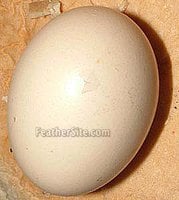
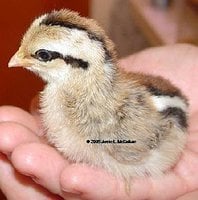
Adult Phoenix Photos Courtesy of Napalongtails. All other Photos Courtesy of Feathersite and Jamie L. McCallum Egg Photo Courtesy of Feathersite and Rupert Stephenson. Egg is not an Phoenix egg, just a example of the color.

LL

Rooster
LL
Hen
LL
Egg
LL
Chick
LL
Adolescent
LL