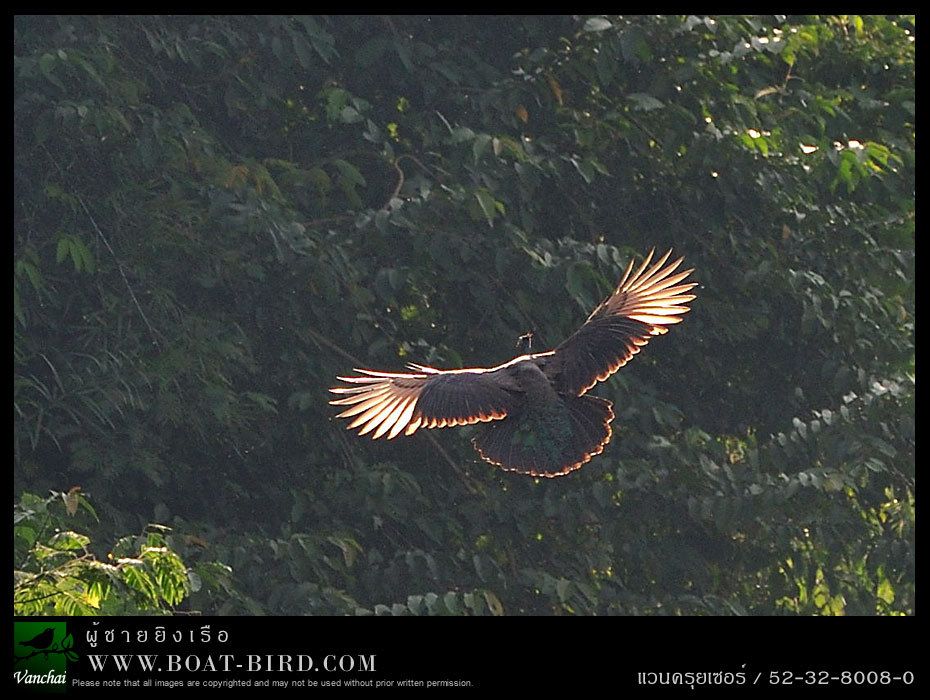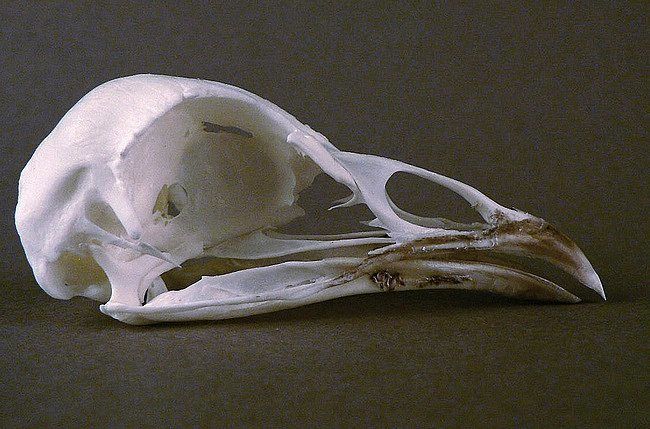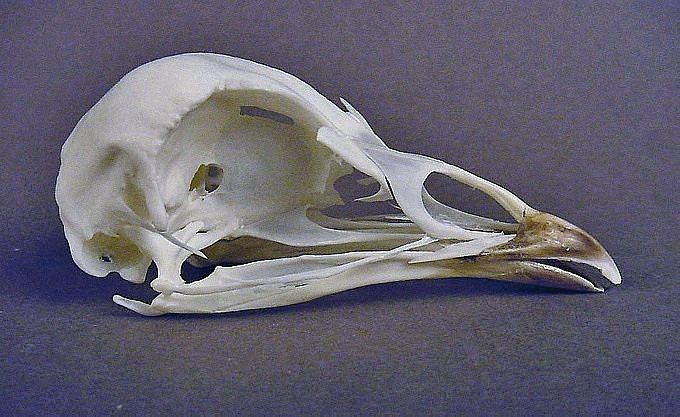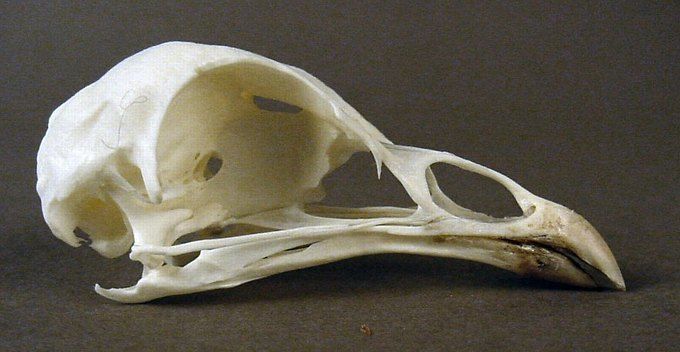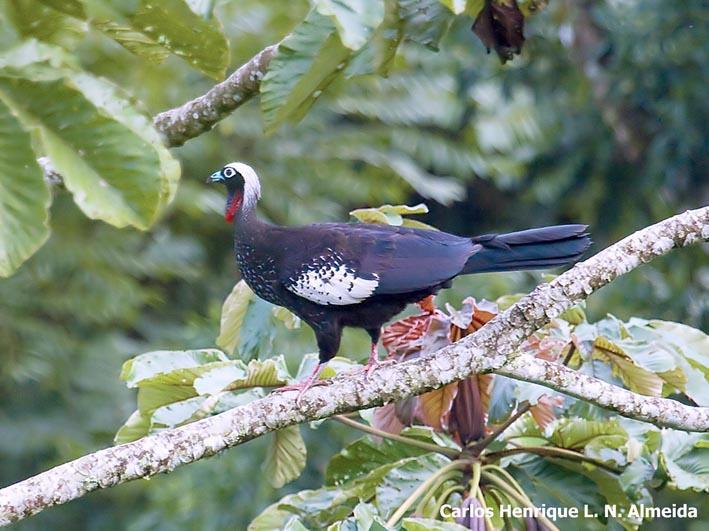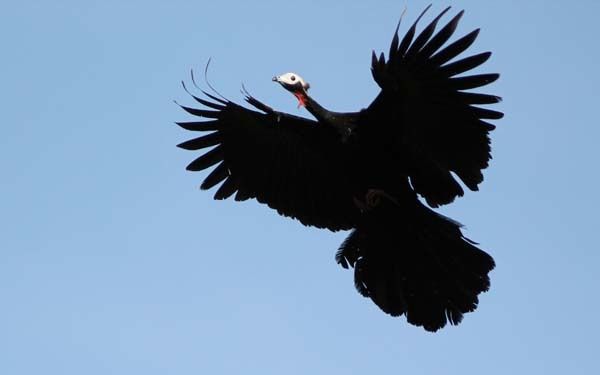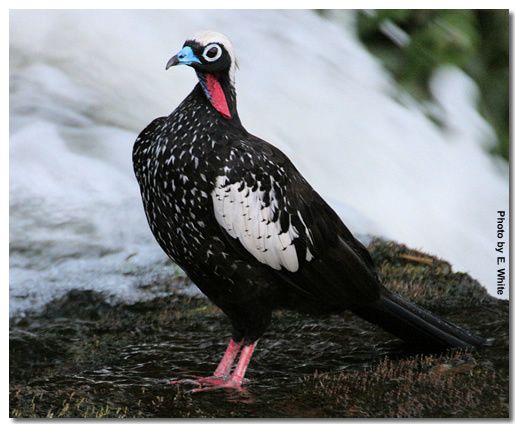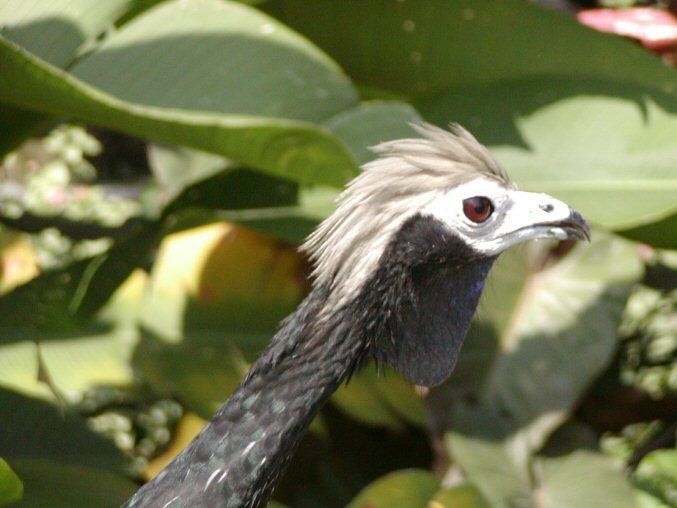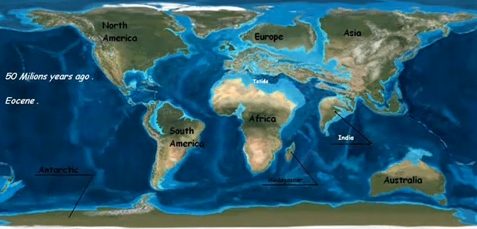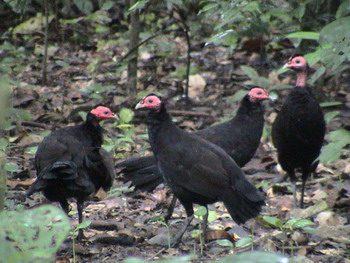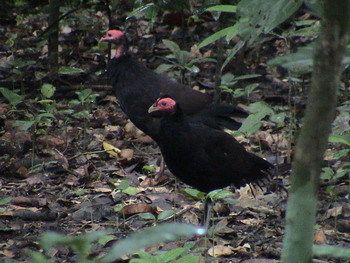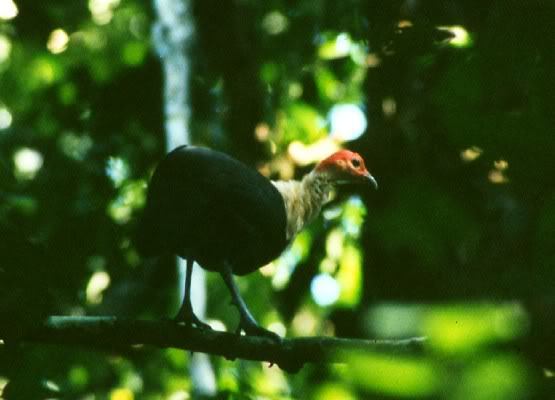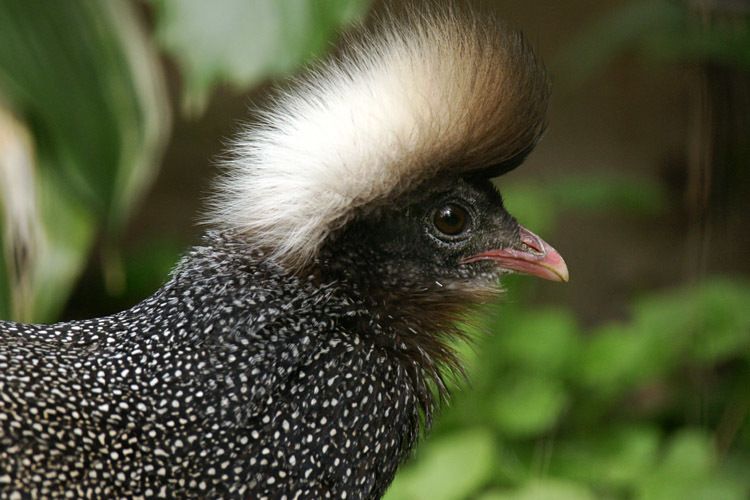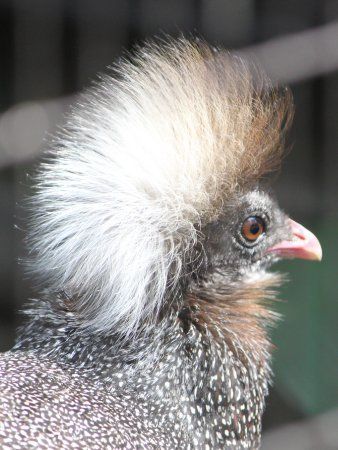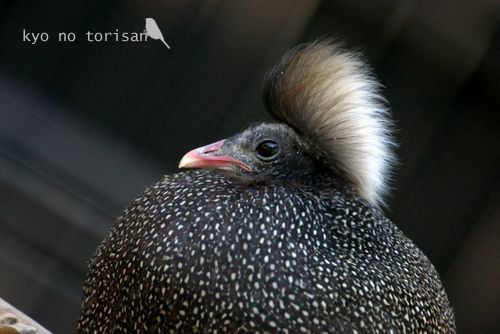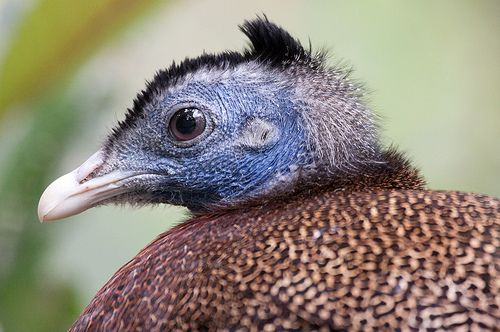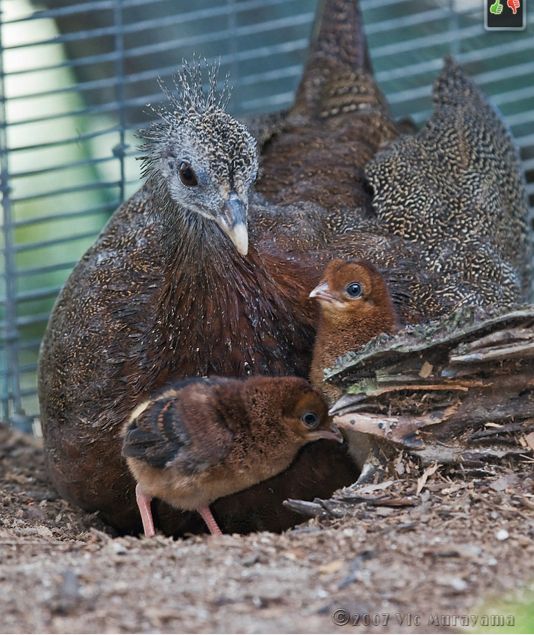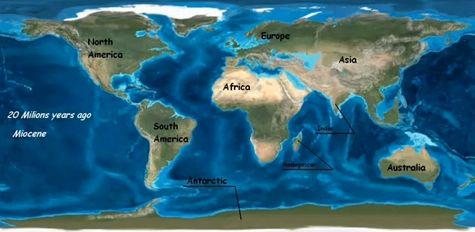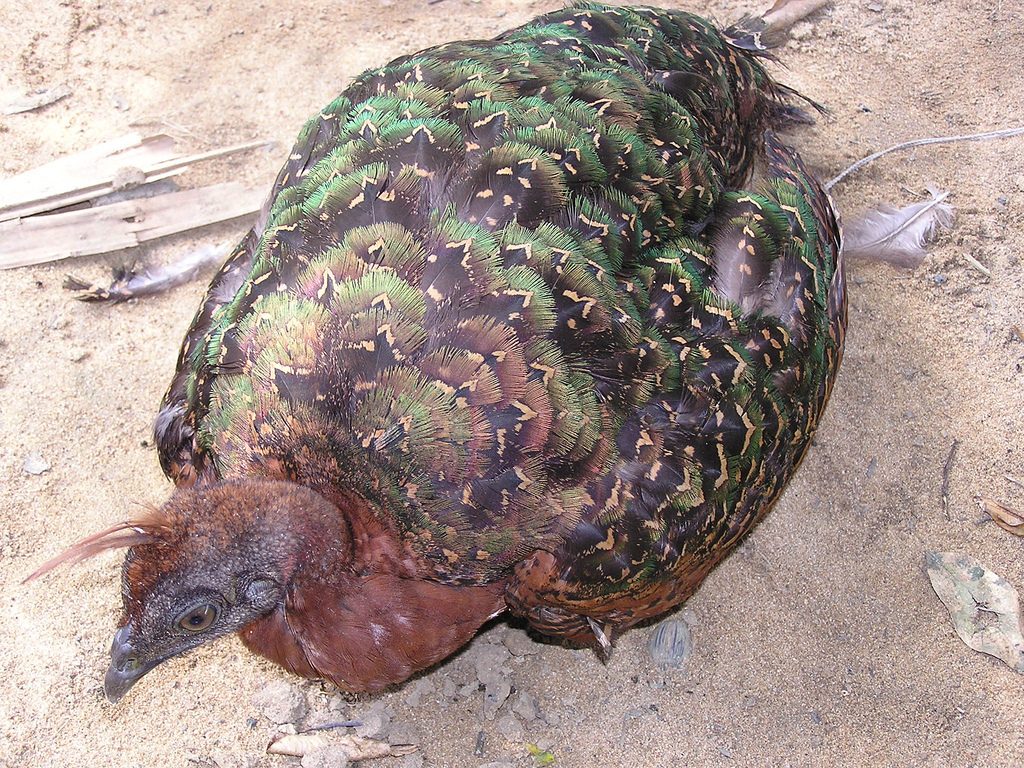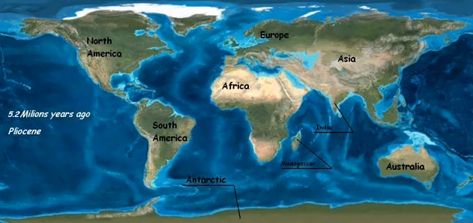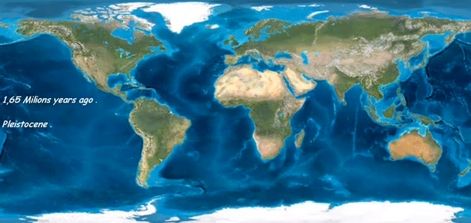
According to the fossil record, Telecrex had a large range that included a wide swath of a region that basically bridged Southern Europe with South East Asia. There was no Meditteranean Sea, no Sahara Desert, no Himalayas. India was still a massive island. Telecrex radiated into present day Mongolia, into present day Indonesia and Southern Asia all that time ago.

Sister lineage of Telecrex, a primitive Peafowl similar in every respect to the living genus Agelastes, ( fascinating video link) radiates outward into lineages that will give rise to the next major branching of Galliform evolutionary history.

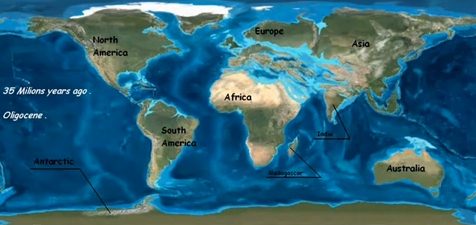
This is ~ what Earth looked like during the Oligocene Epoch
~ 33 MYA when the next basal Galliformes emerge.
Principle Amongst these:
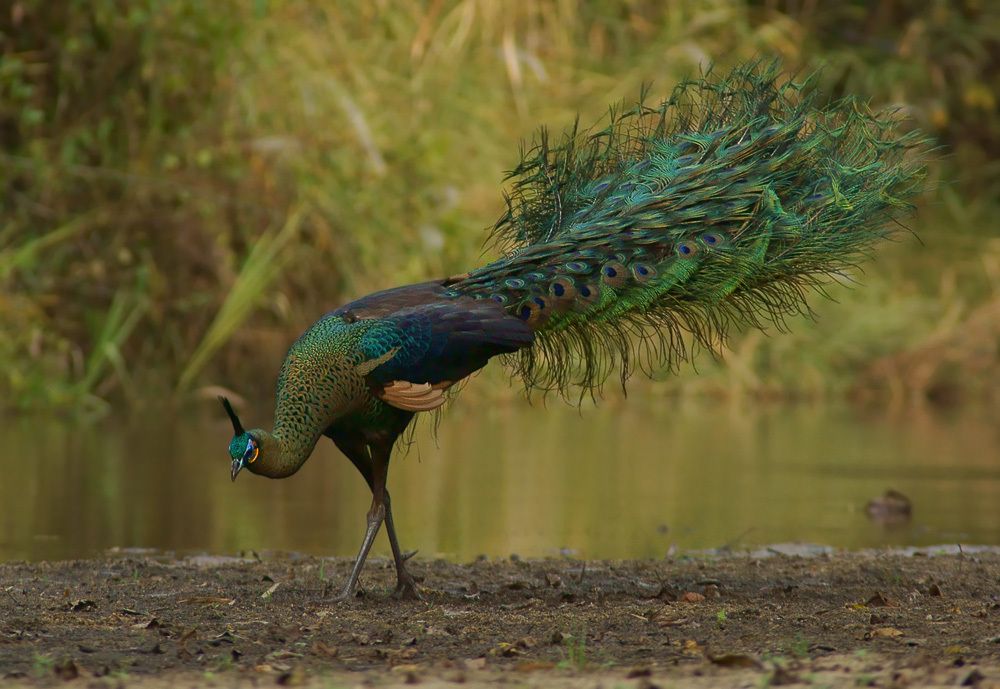
3. Peafowl
4. Chukar and allies (split further into Coturnix during the Oligocene)
a. Francolins ( split further into Junglefowl and Bamboo Partridge during the Miocene)
5. Blood Pheasants (split futher into Pheasants during the Miocene.)
6. Tetraophasis (split further into Tragopans, Monals, Snow Partridge, Turkeys and Grouses during the Miocene)
Peafowl are one of the most basal Galliform lineages.
There are two subfamilies and four genera of Peafowl within the family Pavoninidae:
The two major peafowl subfamilies Argusininae and Pavoninae split from one another during the end of the Oligocene ~ 20 Million Years Ago.
Subfamily Argusininae:
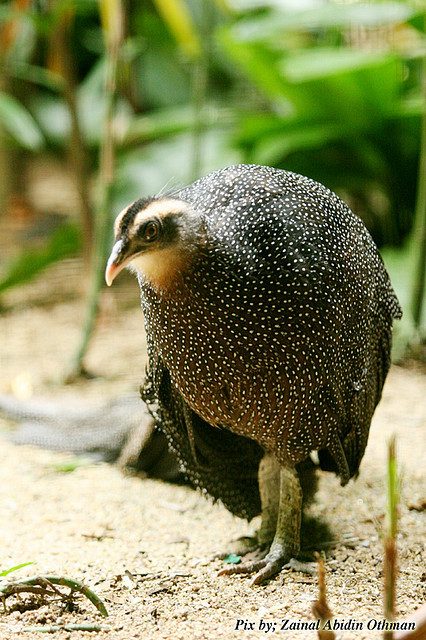
RHEINARDIA: Crested Argus
Malaysian Crested Argus Rheinardia nigrescens
Annamese Crested Argus Rheinardia ocellata


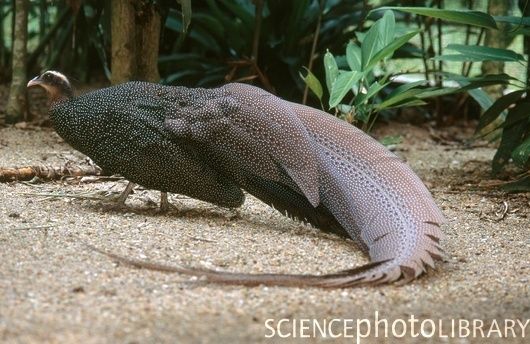
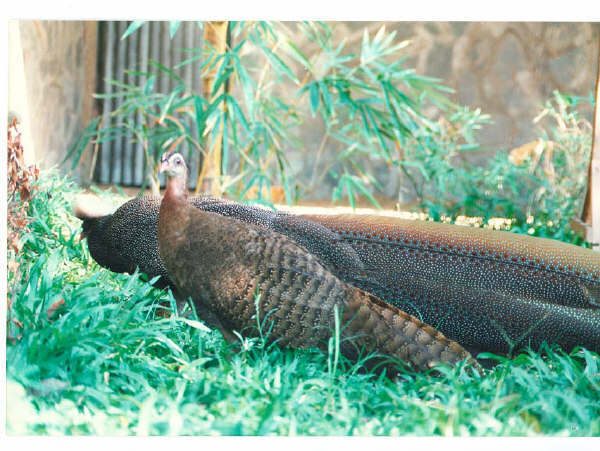
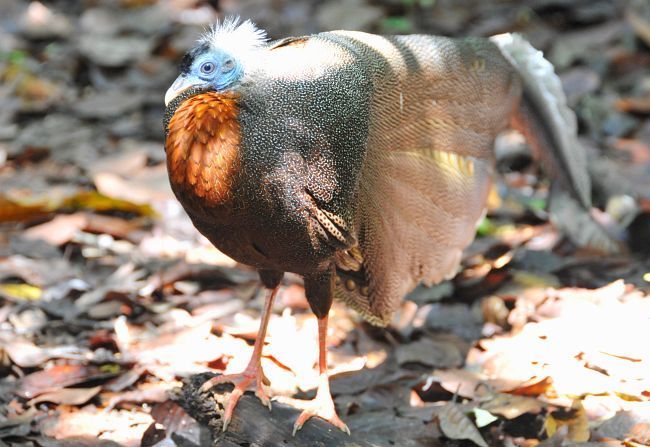
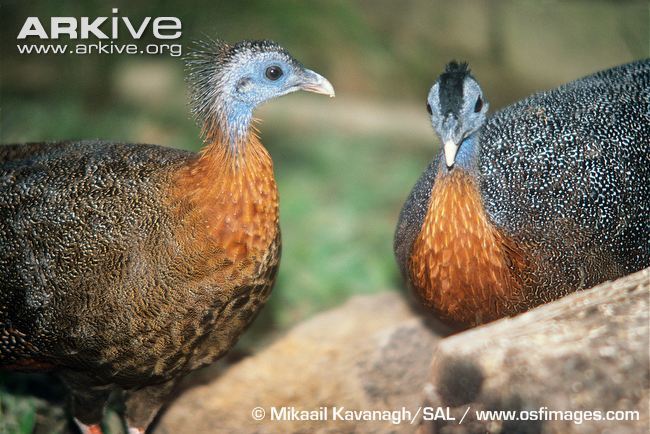
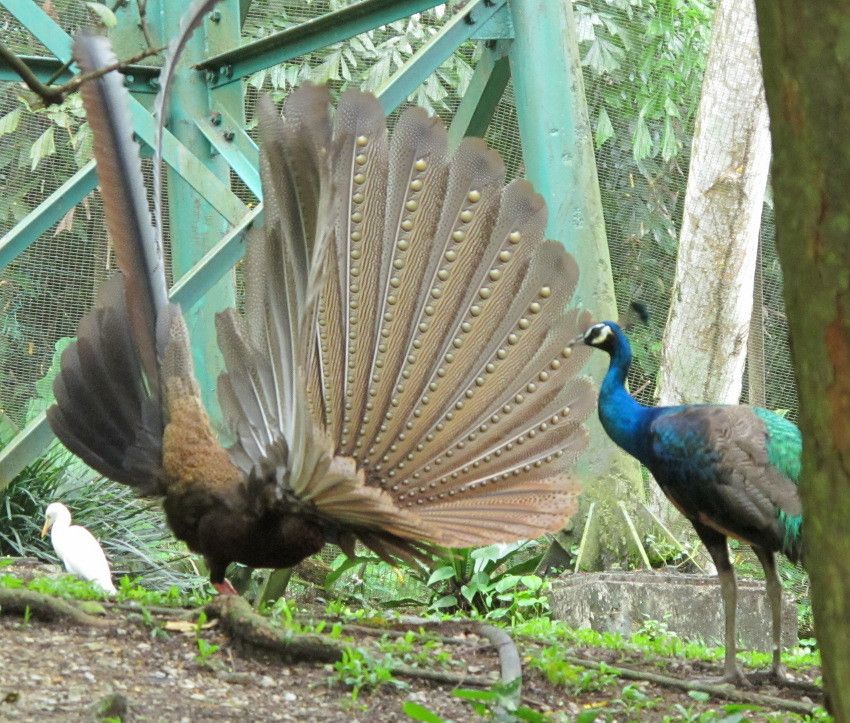
ARGUSIANUS: Great Argus
Bornean Great Argus Argusianus greyi
Malaysian Great Argus Argusianus argus consisting of two subspecies.


Subfamily Pavoninae:
Pavo: True Peafowl
Afropavo: African Peafowl

At some point in time during the Miocene Epoch, Afropavo and Pavo split from one another.
Rheinardia and Argusianus had split from one another a bit earlier on. Please note the absence of the Himalayas at this period.
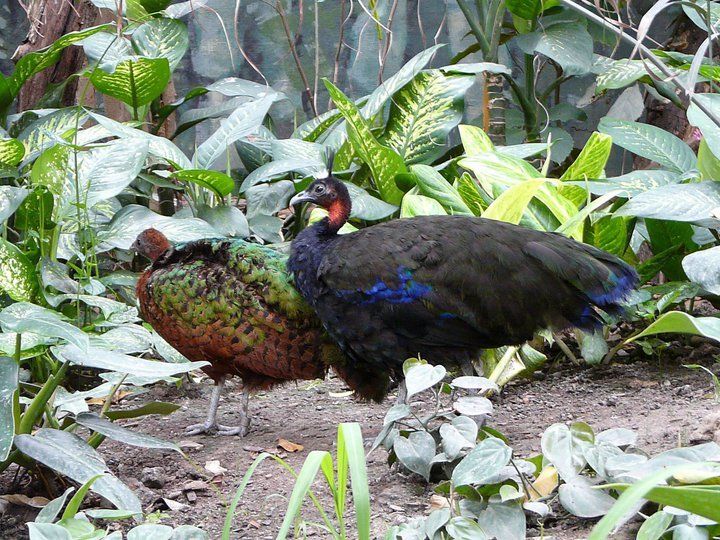
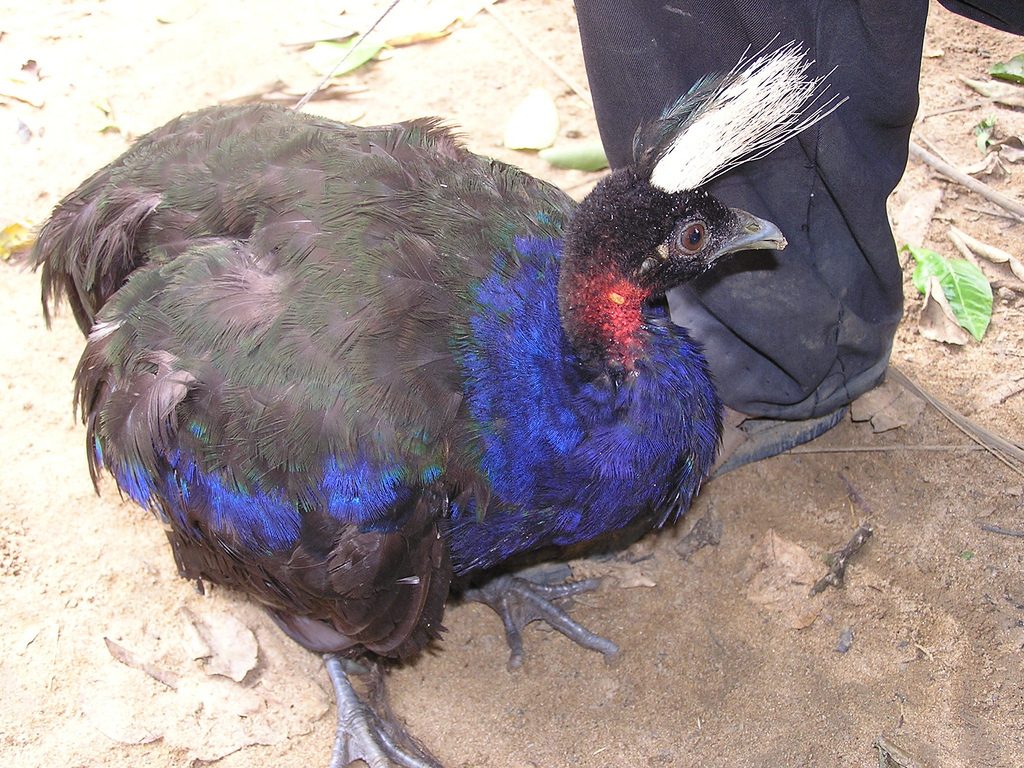
AFROPAVO: Congo Peafowl Afropavo congensis Monotypic species.


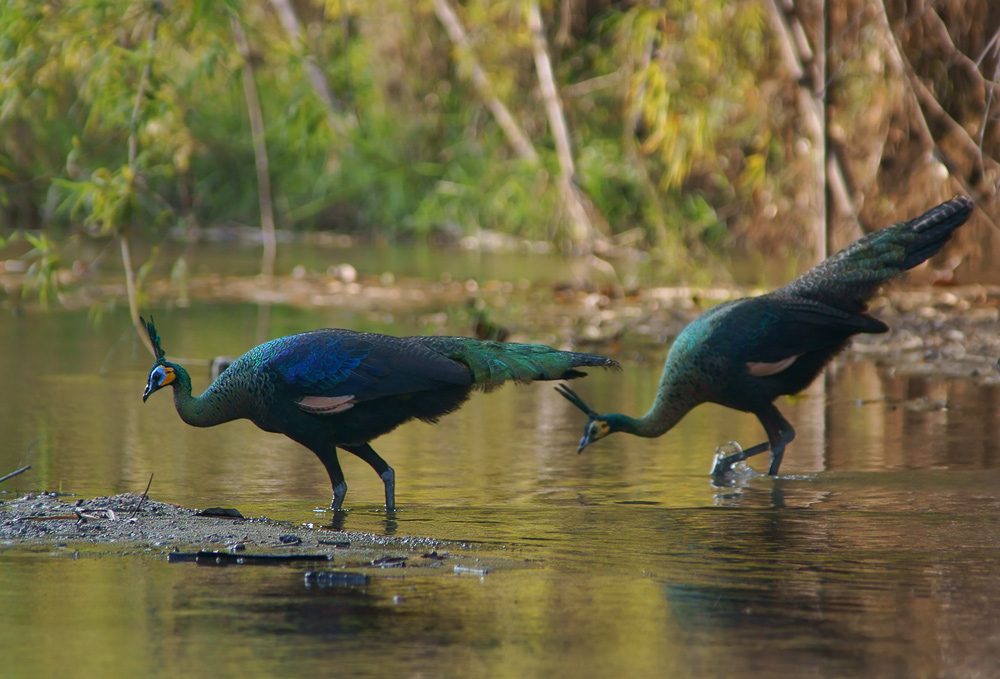
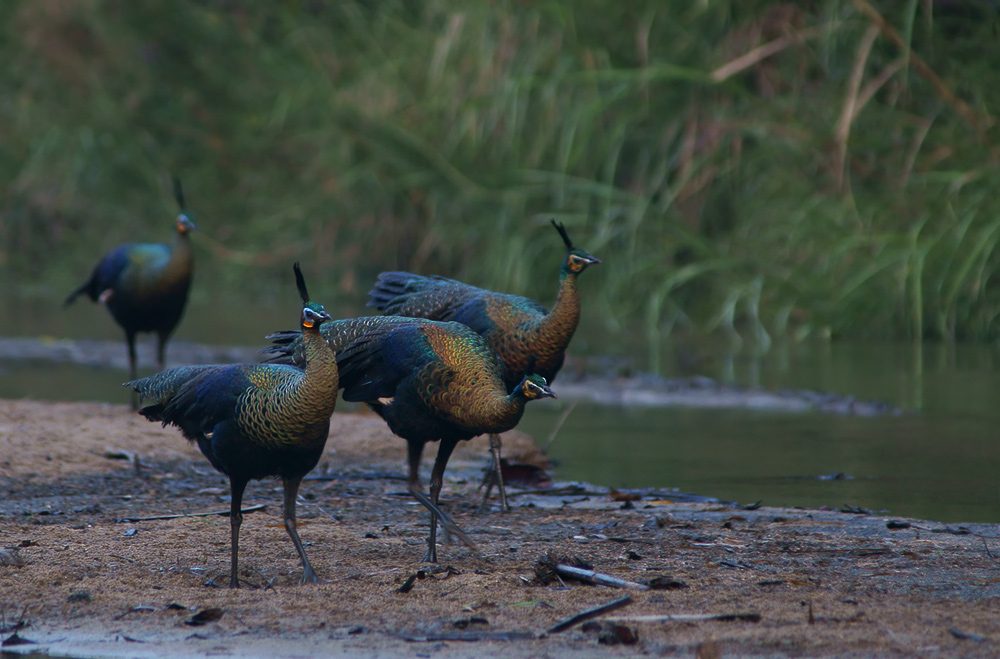
PAVO: True Peafowl
European Peafowl Pavo bravardi
Mediterranean Peafowl Pavo aesculapii
Afar Peafowl Pavo afarensis
Northern Yunnan Dragonbird Pavo antiquus consisting of two possibly three subspecies
Annamensis Peafowl Pavo annamensis consisting of three- four subspecies and a number of geographic forms.
Cardamom Mountain Dragonbird Pavo bokorensis consisting of two distinct subspecies.
Arakan Dragonbird Pavo arakansis
Burmese Peafowl Pavo spicifer consisting of three subspecies and a number of geographic forms.
Javanese Peafowl Pavo javanensis consisting of two subspecies.
Indian Peafowl Pavo cristatus consisting of two distinct subspecies.
Imperator Peafowl Pavo imperator consisting of three subspecies and a number of geographic forms.


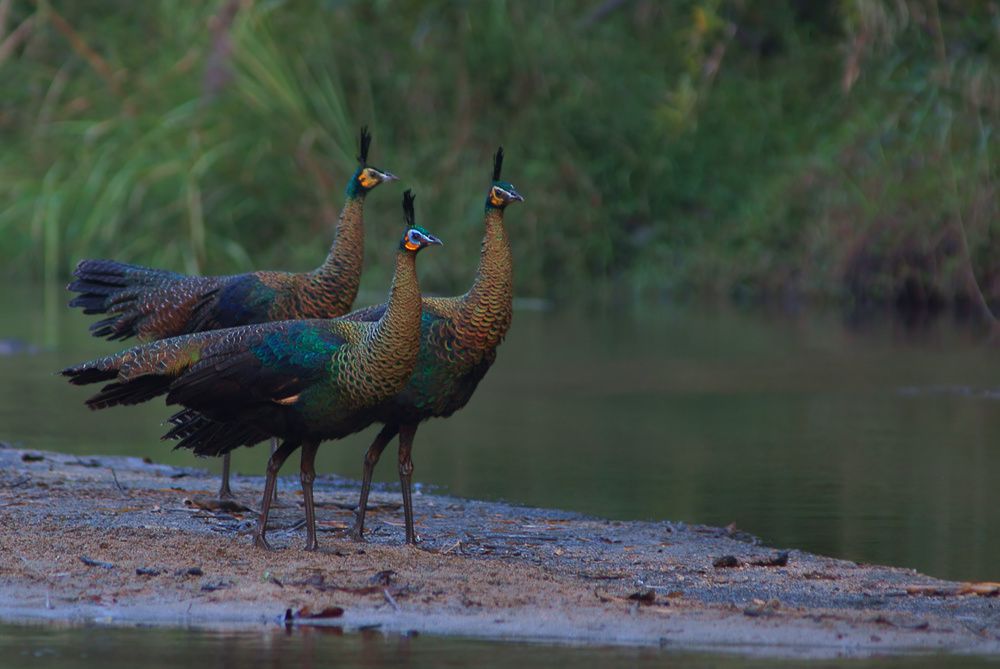
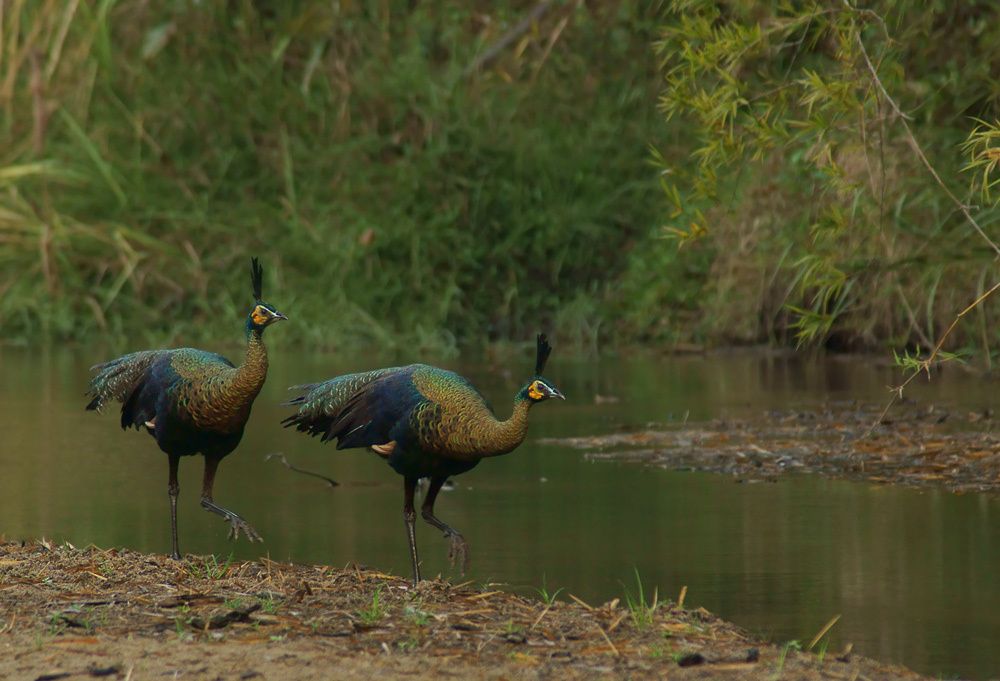
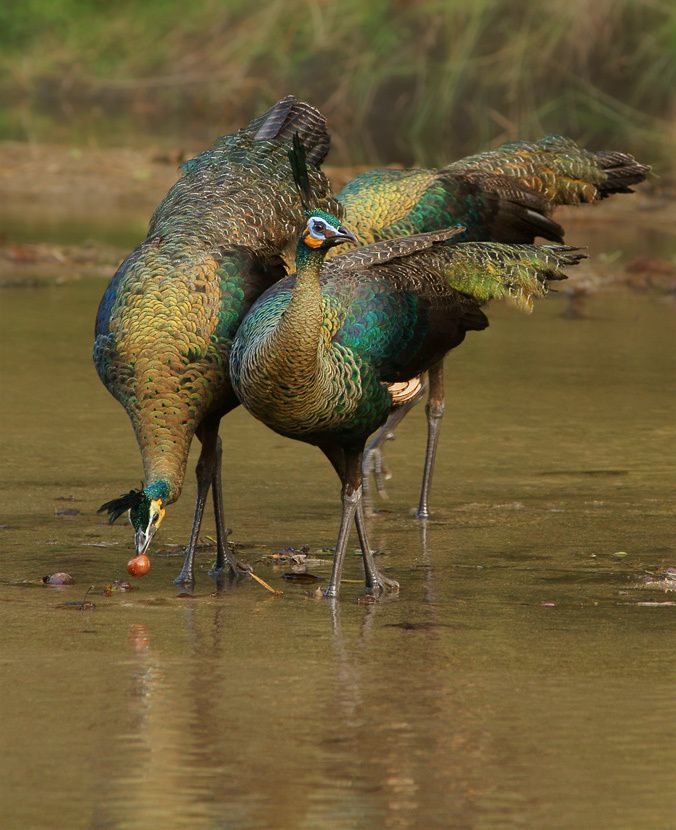
It was during the Pliocene Epoch ~ 4 Million Years Ago that Malaysian Crested Argus split from the Annamese Great Argus; Northern Dragonbird Pavo antiquus, split from the Annamensis Peafowl. Fossil Pavo peafowl species were native to Southern Europe, the Balkans, Eastern Africa, and Yunnan China, Hainan China and Java during the Pliocene. There were no Indian Peafowl in existence as of yet. A species very similar to Imperator inhabited India. Fossil species were highly similar to Green Peafowl but larger in size. it should also be noted that Congo Peafowl had a much larger range that included South Africa and were already well-differentiated from Pavo during the Miocene. A fossil Congo Peafowl species inhabited Southern Africa well into the Pleistocene.
Later, ~ 3 Million Years Ago the Bornean Great Argus split from the Malaysian Great Argus;
Indian, Imperator, Spicifer and Javanese Peafowl diverged from antiquus and annamensis lineages.
The diversification of the different Peafowl lineages can be directly tied with the Successive Births of the Himalayan Mountains.

With the Himalayas Mountains came the Ice Ages and it is during the Pleistocene (Ice Ages) that most Pheasant and Grouse genera diversified into distinct species. For example, the great Lophura complex split from the Crested Firebacks into Silver, Kalij and Swinhoe's lineages, which in turn split further into all the wonderful diversity of each respective superspecies. During the end of this era as the ice sheets that locked up so much of the earth's surface melted, major river systems and inland seas were either born or greatly expanded. This is when the Sri Lanka Peafowl split from the Indian and when subspecies of the various different Green Peafowl forms diversified. This is when the Cardamom Mountain Range peafowl and the Lewis's Black Silver Pheasant became isolated from the Annamese Peafowl and the Bolavan Plateau Black Silver Pheasant. Subsequently, about 12,000 yers ago, the Jones's Silver Pheasant radiated northwards while the Imperator peafowl expanded its range across the Thailand Plain.
Recap on the evolutionary origins of the Peafowl:
Telecrex/Phasidus is more terrestrial than Cracids and like the Megapodes an omnivore, however, it was more highly dependent upon small animals, especially invertebrates.
Guineafowl (in nature) are strictly monogamous with males participating in nest defense and chick rearing. The juveniles have delayed maturity and extended relationships with both parents.
Guineafowl are, like Megapodes, terrestrial nesters. They have small medium to large clutch sizes and lengthy incubation periods.
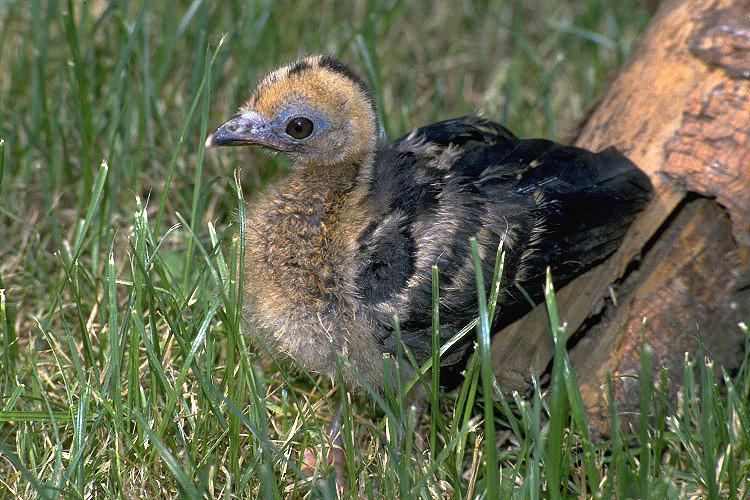
Primitive Guineafowl of the Phasidus/Agelastes/Acryllium and Guttera lineages hatch with rudimentary wing and tail feathers and are capable of flapping flight and perching within hours of birth.
Some species may engage in helper systems where non-breeding individuals participate in chick rearing.
Peafowl are more terrestrial than Cracids and less terrestrial than Guineafowl being largely arboreal during the wet season. Like the Megapodes and Guineafowl, Peafowl are omnivorous. They are highly dependent upon small animals, especially amphibians, small reptiles and invertebrates. Like the Megapodes, Cracids and Guineafowl, fruit, seeds, shoots, leaves and flowers consist of a considerable part of the diet, especially seasonally, though less so in the deep forest adapted Congo Peafowl and Argus genera, which readily take decaying fruit but avoid most vegetation.
Most Peafowl (in nature) are strictly monogamous with males participating in nest defense and chick rearing. The juveniles have delayed maturity and extended relationships with both parents. What may appear to be harems are generally juvenile and subadult offspring in close association with their parents.
Peafowl are somewhat terrestrial nesters but will nest off the ground if appropriate sites are discovered. They have small to medium clutch sizes and lengthy incubation periods.
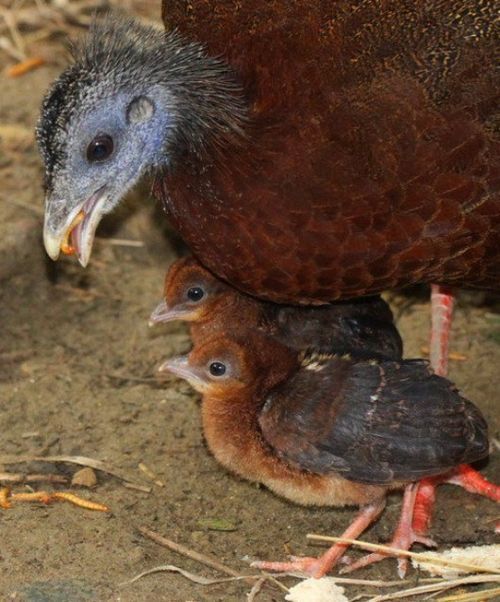
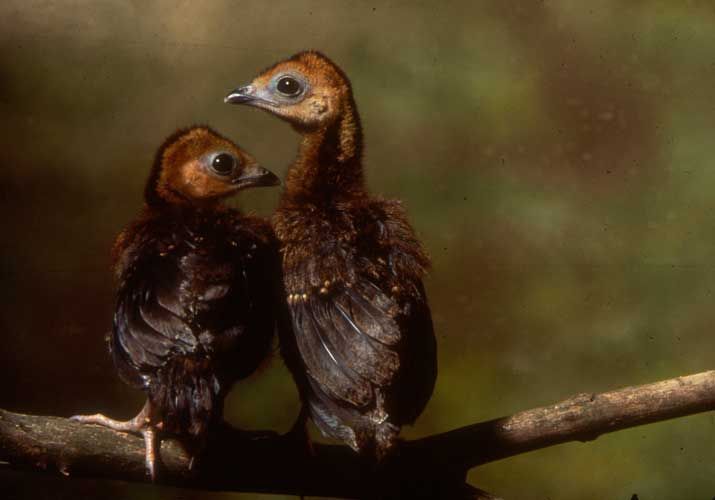
Peafowl hatch with rudimentary wing and tail feathers and are capable of flapping flight and perching within hours of birth.
Some species may engage in helper systems where non-breeding individuals participate in chick rearing.
Like Megapodes, Cracids and Guineafowl, Peafowl are capable of sustained flight over fairly substantial distances when warranted. They are less capable flyers than Megapodes about equal with Cracids.
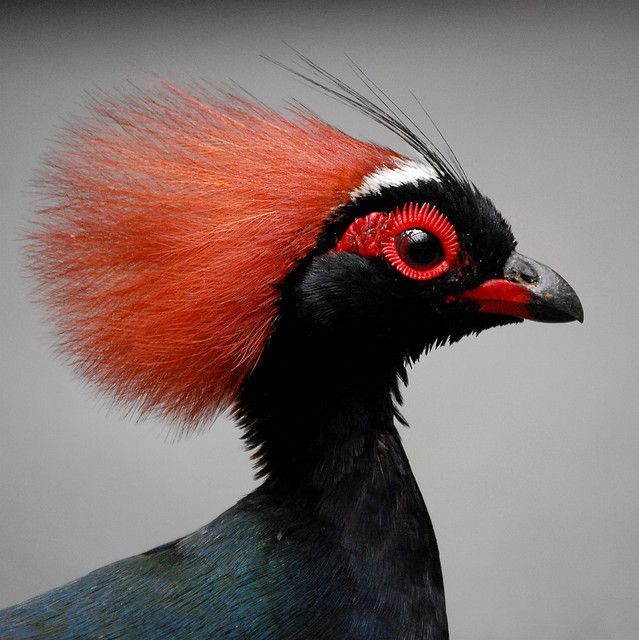
With the Crested Argus we probably see a facsimile of the morphology and plumage development of the earliest Gallomorphs in some subtropical regions where reptiles are particularly diverse and numerous. So while Peafowl are derived of the lineage that gave rise to Cracids and Guineafowl, and consequently younger, they may well retain the original body plan and behaviors of the ancestral stock from which Cracids and Guineafowl evolved.
Peafowl are probably the most predatory of these basal Galliformes taking more small animals than either Guineafowl of Megapodes.
Recap: Peafowl are derived of an ancient lineage that begins at some point before the Eocene epoch MYA. They retain characteristics of the most primitive families of Galliformes. These include general body plan including elongated bodies, large heavy wings and tails and long necks as opposed to the corpulent bodies, short rounded wings and truncated tails of pheasants and grouse. They are less adapted for terrestrial life than Guineafowl and more so than Cracids.
The most obvious trait that distinguishes Peafowl from these other important Galliform lineages is their amazing plumage and astonishing display behaviors, their large vocal repertoires and mimetic stridulation of specialised feather quills.
When we generalise about the peafowl as a conservative lineage - a monophyletic family - about their nutritional requirements we cannot take the exceedingly familiar ( and misunderstood) Indian Peafowl as the quintessential example of all other taxa and largely because it is recently derived from a more primitive ancestor itself. The Indian Peafowl is actually the exception amongst other forms of peafowl on a number of points both ecologically and nutritionally.
We are obliged to look at all the peafowl species and generalise with data that includes the highly evolved Indian Peafowl as well as the living fossil that is the Crested Argus. As there are actually two distinct species of Crested Argus, data on dietary requirements are already slanted in the favor of those two comparatively primeval peafowl.
It should be obvious that even the Indian Peafowl, the most highly evolved of the peafowl, goes through growth phases that return it to its primitive taproot. In nature, Pavo cristatus goes to nesting and rearing its chicks during the brief wet monsoon.
Edited by Resolution - 3/4/12 at 2:13am