Anybody know when a drakes head starts greening up?

chickchickgirls

In the Brooder
9 Years
Joined
Aug 4, 2010
Messages
63
Reaction score
1
Points
39
Location
Oregon
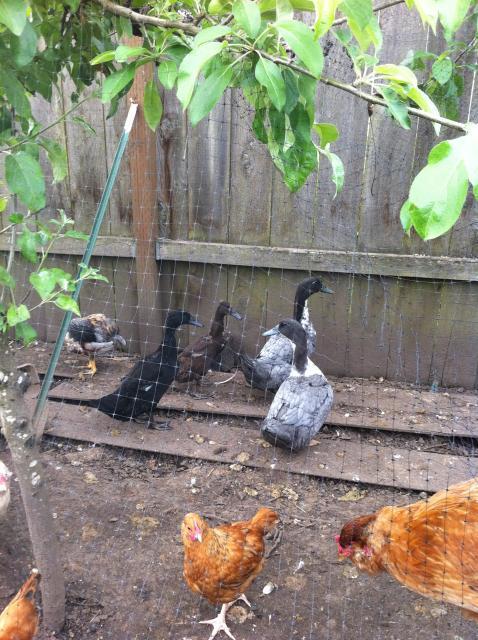
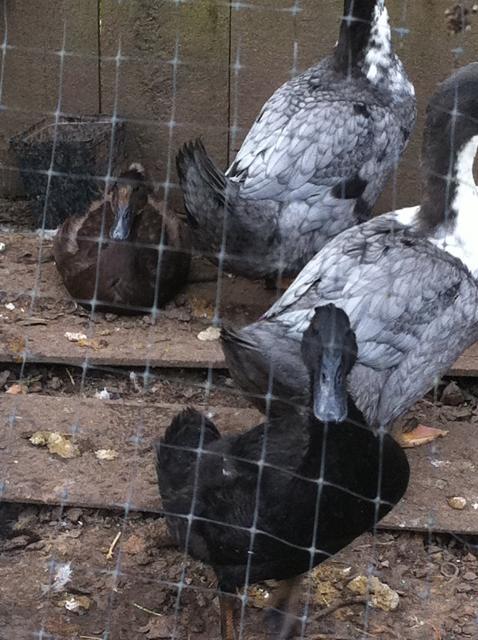
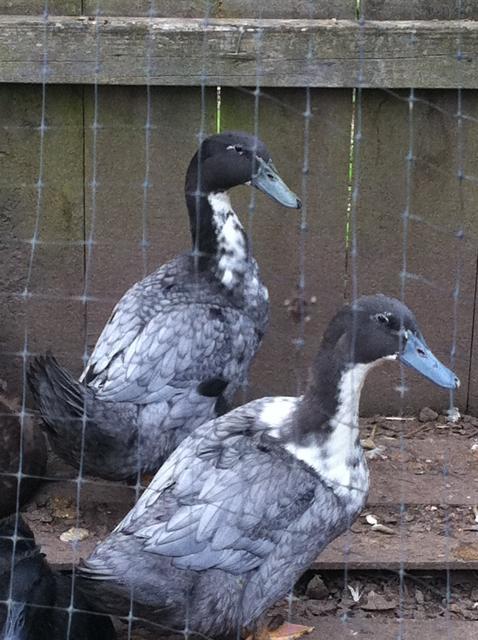
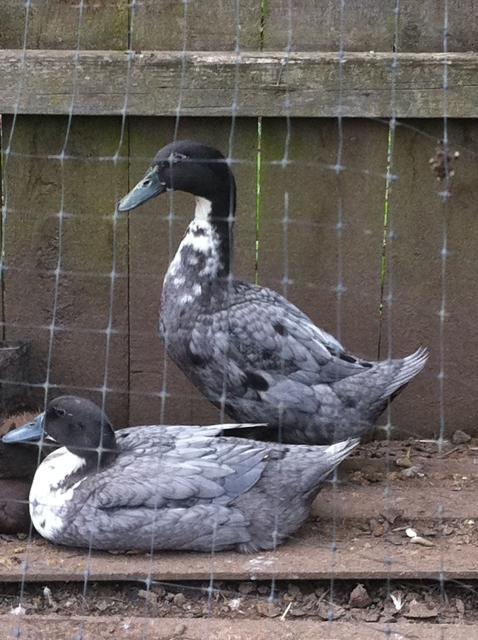
I have tried all over to find info on this and can't seem to get any. I got two blue swedes from the feed store about mid-April. They thought they were girls, but couldn't guarantee. I then got two ducklings from a classroom hatch born at the end of April. The blue swedes are huge, but still no quacking from either. Sometimes I think I can see a curly feather on one, but not always. The class ducklings are either straight Khaki Cambell or a mix of Khaki Campbell/Runner. One is Khaki colored and quacking up a storm, the other is black and still quiet. The class ducks still have their soft baby feathers in. The Swedes are only a couple weeks older but they are as big as my hens and have been feathered for several weeks. I think my khaki is a girl, from all the quacking, but I can't figure out on the Swedes. Neither one make any noise. I picked one up yesterday and he (probably) did a hoarse quack. Every site I check tells me a different identifying feature. Some say orange feet mean male, some say feet color doesn't matter. Same with bills. One said males have greenish tint to their heads. I'm really hoping that I don't have three males and only one female. That would NOT work, poor little girl! Ouch! Any thoughts? btw, they have a 60x10 run and they love to hang out on these boards.
64757_photo.jpg

64757_littlepuffy.jpg

64757_blueswedeback.jpg

64757_blueside.jpg
 
Lovely ducks!
big_smile.png


There are various ways to tell males and females apart:

1 - Voice sexing - In Mallard-derived breeds, the females make a loud quacking sound whereas the males produce a raspy, squawky sound. This is probably the best way to tell males and females apart and you should be able to do it from around 7ish weeks.

2 - Drake feather - Also in Mallard-derived breeds, males should get a drake feather (upwards-curling feather) on their tails. This is slightly less reliable as they can fall out or even not grow very well in the first place.

3 - Colours - In some breeds, males and females have distinct colour differences. In breeds or colour types which resemble wild Mallard pattern, males will get the green head, white neck ring, brown chest etc and females will be mottled brown with eye stripes. However, males and females look the same in juvenile plumage and the change will only occur when the adult set of feathers come through.

4 - Sex-linked genes - Some breeds have certain characteristics which are linked to a specific sex, e.g. a brown beak indicates a female whereas an orange beak indicates a male. I am not sure of any real examples, but I'm sure others will be able to help with that.

Hope that helps!
big_smile.png
 
The one in the front in your very last picture seems to have a drake feather starting, so I would agree male on him.
 

New posts New threads Active threads

Back
Top Bottom