Geebs and Math, thanks for the great replies.
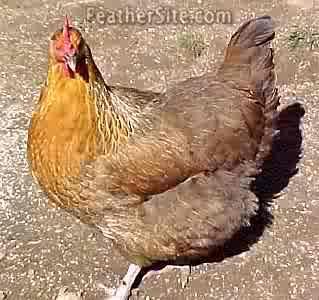
I realize the slate leg thing is a done deal. But looking at pictures there I see various shades of slate that are all over the place. Debbi's first two birds, the overmelanized ones look like they DO carry ID (shank dermal inhibitors) and that's why the shanks are pale, the hen darker since she's only ID/+ vs the roo who's ID/ID.
Pip on the other hand looks to be maybe ID/id. His shanks look very dark. Which is right??
Most of the roosters I see here on BYC have the pale gray shanks. (look at Pretty's overmelanized roo above this post!) Not what I would call dark slate, I wouldn't even call it medium slate. The hens do have dark slate quite often.
I don't want to be alarmist about this or keep kicking a dead horse, but the ID gene is dominant, and prevails over the darker shanks. And with this genetic makeup being correct in the French birds to which many have been breeding, doesn't this change to dark slate eliminate entire LINES of birds from showing or meeting SOP standard?
I imagine this scenario in the otherwise already complicated BCM world:
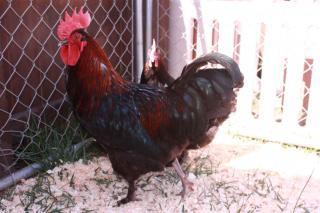
ID is incompletely dominant like barring. One dose is weaker than two. Hens can only have one dose. It is my opinion (just through observation of pictures on this thread) that most birds in the U.S. DO have the ID gene. Just look at this black rooster bred by peachick
here . That is a black copper rooster with so many melanizers bred in that he is solid black. Yet his shanks remain pale because of the ID gene. I have some black australorps whose shanks look like black snake skin, so the ID gene makes a huge difference on a black bird.
So if BC already carry ID, or at least most of them do, what happens if the current SOP points everyone toward breeding hens that are ID (most hens I've seen are overmelanized already and will need ID) but roosters that are ID/id or worse id/id. Isn't it already hard enough to breed a correct BC?
I personally think it's just the language that is incorrect. Perhaps that light gray color in ID/ID roosters is someone's interpretation of dark slate. But IMO the ID gene is really helpful to eliminate one more variable in the delicate melanizer/mahogany balancing act. Rather than having to balance melanizers in the shanks too, it just doesn't allow the melanizers to form under the skin, across the board, regardless (to some degree) of the level of melanizers in the rest of the bird. Maybe the horse isn't dead and is worth kicking a bit more. Maybe it won't be as simple as breeding toward more melanized birds.
I'll try to take some pics of my two roosters today and post. I have some BC in the inky due today or tomorrow.
Oh Geebs, I'm in Hungary and I believe most of the birds here are from Germany. I have some from UK too, they have similar genetic issues as the U.S.


 Marans