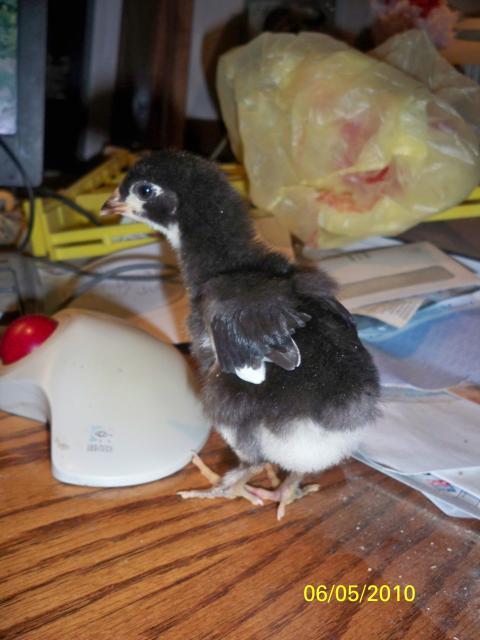
Bravo~
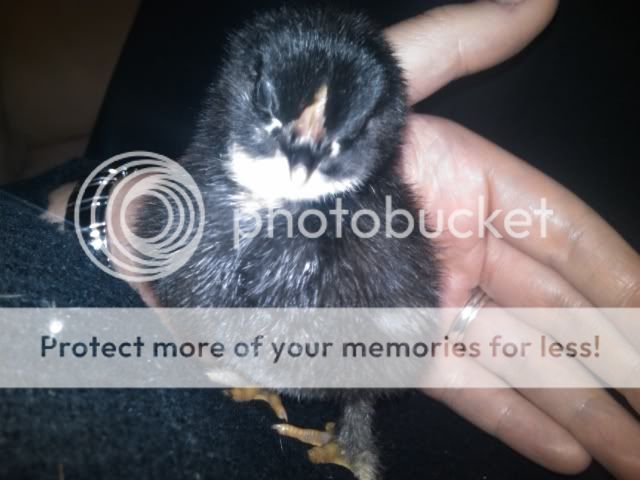
I guess on gender based on the primary and secondary flight feather growth and length, my first guess is on day 3, or 4.
This is only guessing at best on my part and is not 100% accurate, but is what I watch for in chicks.I find it even more accurate in offspring produced from my Bill, I have less accuracy in the Davis flock...but even there ,accuracy ratio is still good.
With my chicks the females tend to feather faster than the boys, and in faster or first on specific places of the body, ie...day 3- I watch wing feather growth, females generally tend to have longer primary and secondary flight feathers than the males.
The males at 3 days will tend to have longer primaries and shorter secondaries. Also, at days 3-5, I watch for tail feather growth....again the females have more feather growth here first, where as the males usually look as though they have none or just getting a quill or two to show.
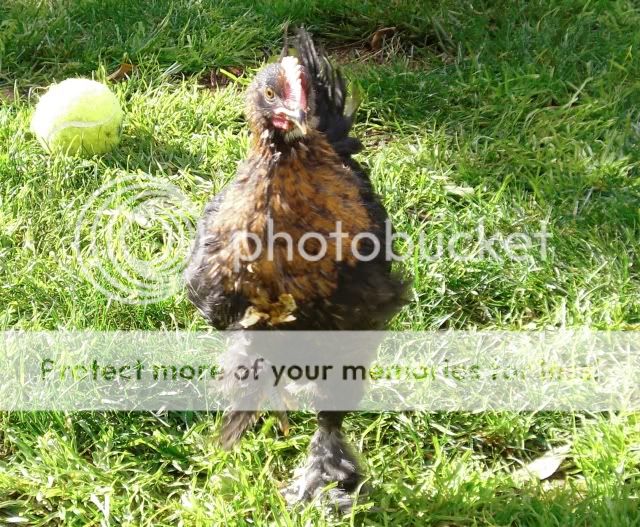
I watch for shoulder feathering to start coming in on the females around 7-10 days. I notice the females will start getting their first and are longer and fuller than the boys at this time..but the boys, look as though they have just broken through the quill.
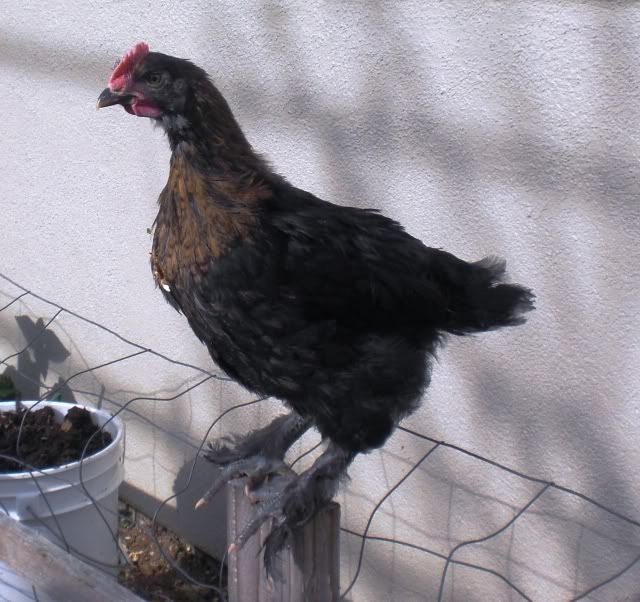
Around day 6-8, I study the suspected males combs very hard and most often can see them starting to change, by day 10-14, I usually know for sure, who the males are strictly by comb and wattle development and of course the bigger body and longer sort of stretched out gangly looking neck, that somehow always manages to make the males somewhat less attractive during this time and over the next few weeks until their bodies strangely start the appear as though its catching up with the big heads, longer necks and gigantor feet and legs.
Did that make sense?? Ya'll know... that stage of chickdom where they are so in between cuteness and almost scary that we have to love them...because if we didn't who would stage.
Again, this is just my perspective of the chicks that I raise here and watch in my brooders as they grow. This does not always mean that everyone's chicks are going to be the same, however, I do believe that we can learn to train our eye to see the natural traits in male vs female that show no matter the breed or line of birds we work with.
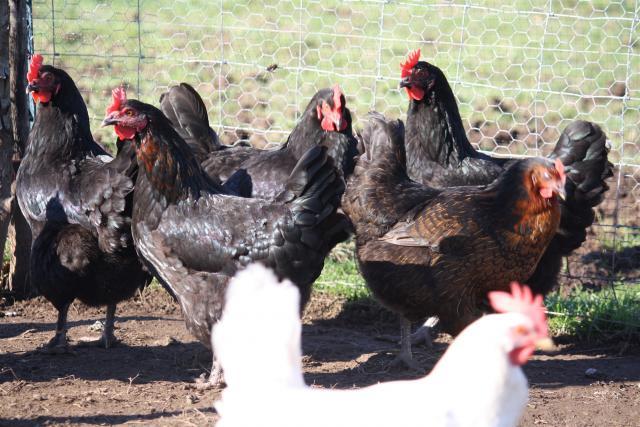
I watch these traits in all of the breeds that I work with....female/male traits in the sexable Welsummer chicks got me started with it. I applied what I observed while growing out the sexable Welsummers and started observing it in the Marans to see what the two breeds had in common in respects to just male to female traits, ie.., size and growth rate of the bird overall , (although I cannot apply this to any offspring produced from Bill, they are all big
), feather growth rate, where those feathers are coming in, comb and wattle development, etc., etc., etc. I can say that I find that with all of the different breeds I have they are all very similar with their naturally occuring male - female traits.
Hope this helps and that others come by and give you their advise and opinions too.
edited to add: I do not notice any differences in chick down and its effects on male vs. female.
WITH the exception of comb and wattle color....I have noticed that the females will usually have a darker almost grayish light blackish colored comb and it takes much longer to start changing than the males.
Sometimes we just get those sneaky little peeps that keep us guessing. I'm sure I can say without a doubt that every person who breeds poultry has or has had some sneaky peeps and in every breed too. Ahhh, gotta love the sneaky peeps, they don't care where they pop up.