Quote:
Look up VillageChicken's posts. I believe he posted an awesome genetics overview of shank/toe feathering a few months back on the Marans thread. It was WAY over my head though
Thank you! Yes, I was hoping he would actually comment, this genetics stuff is way over my head...........................
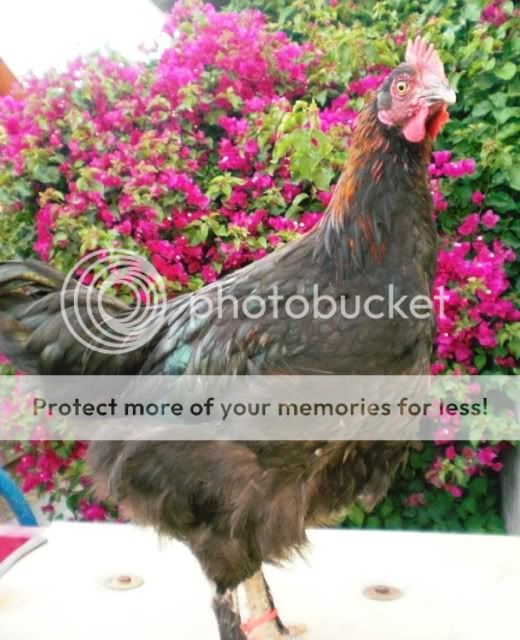
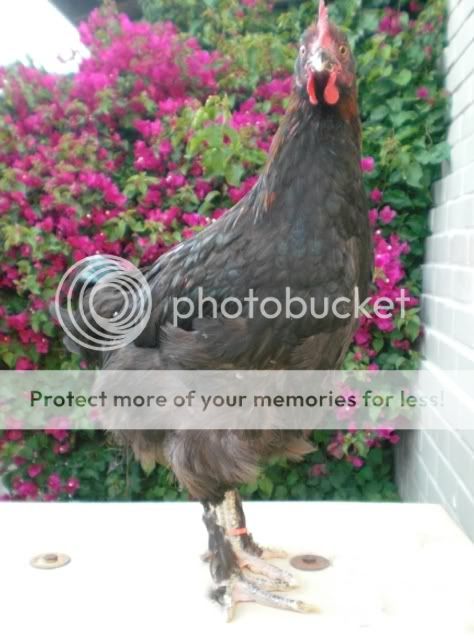
Leg feathering is complicated. Once it is dialed in correctly though, it seems to breed true. Wheatens seem to have much fewer problems with 2nd toe feathers, compared to BC, so it's likely some stray genes lurking in most flocks that cause the 2nd toe feather.
The reason it is tricky is there can be feather inhibitors that are recessive. So you could have an ideally feathered bird that has 2nd toe feather genes + an inhibitor that gives an ideal configuration. I'm not saying this has been proven or that this is the configuration you are shooting for, but it's a way that 2nd toe feathering gets passed on and how it has persisted in most flocks for so long.
There is the same problem with BC here in Europe as well. My best BC roo has 2nd toe feathers. He's young, and I've only hatched a couple from him, but neither has 2nd toe feathers at this point. I believe they will pass these genes on to some of their offspring. I also believe a portion of their offspring will be correctly feathered but carry 2nd toe feather genes. Many folks get 2nd toe feathers when pairing two correctly feathered parent birds. So if they are in your flock, you probably won't ever eliminate them completely. I am not sure anyone has eliminated them completely from their BC flock. But i think most folks would rather get a stray 2nd toe feather than get clean shanks when they are expecting feathers.
To answer your question - yes they will definitely pass on to some offspring. You will probably also get some correct offspring. Only time will tell if you will have 2nd toe feathers show up in your 2nd generation. If you single mate you may find a pairing that doesn't throw 2nd toe feathers in your second generation.