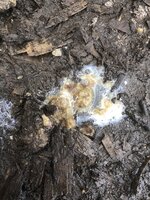
Chicks might have coccidiosis

Sandy2003

Songster
Joined
May 13, 2019
Messages
108
Reaction score
122
Points
126
Location
Connecticut
My chicks are 8 weeks old and have very watery, orange, bloody poop. I’m aware that it’s sometimes normal but all of them have it and they’ve been living in moist conditions because of the cooler weather. My google search says it’s coccidiosis but idk if they 100% have it because they seem so lively but it can kill overnight. Should I go them the treatment or the prevention?
 

Attachments

  • B53DB3E9-3595-44B0-A2EB-E1F586C1F09F.jpeg
    B53DB3E9-3595-44B0-A2EB-E1F586C1F09F.jpeg
    731.1 KB · Views: 10
  • 518B355A-1C99-4185-8D7D-25A58E632CC1.jpeg
    518B355A-1C99-4185-8D7D-25A58E632CC1.jpeg
    299 KB · Views: 6
  • 12278842-CBCF-4014-B0FF-5B86F475714A.jpeg
    12278842-CBCF-4014-B0FF-5B86F475714A.jpeg
    383.3 KB · Views: 5
  • D34F1AE5-F185-47DD-8F7B-F68BF20C9EAE.jpeg
    D34F1AE5-F185-47DD-8F7B-F68BF20C9EAE.jpeg
    393 KB · Views: 5
  • 68E9080D-4F9D-418A-B1A2-1B547B44A499.jpeg
    68E9080D-4F9D-418A-B1A2-1B547B44A499.jpeg
    1.1 MB · Views: 6
  • 1A5B2514-5CE8-498A-9637-94D4B44921D4.jpeg
    1A5B2514-5CE8-498A-9637-94D4B44921D4.jpeg
    934.3 KB · Views: 5
  • 6B94FB7E-83D0-40DC-ADA6-8D49256EDF1C.jpeg
    6B94FB7E-83D0-40DC-ADA6-8D49256EDF1C.jpeg
    713.7 KB · Views: 11
  • 676C8642-52E7-4B66-B8E4-E9690FFC2B6E.jpeg
    676C8642-52E7-4B66-B8E4-E9690FFC2B6E.jpeg
    999.6 KB · Views: 5
  • AD5953F3-E00D-4FC3-BD51-4B04F27E7D79.jpeg
    AD5953F3-E00D-4FC3-BD51-4B04F27E7D79.jpeg
    760.4 KB · Views: 6
  • 61043898-B3AA-485E-8C7B-6A7BB7111C97.jpeg
    61043898-B3AA-485E-8C7B-6A7BB7111C97.jpeg
    1.1 MB · Views: 3
I would treat, I see blood in at least two of those droppings. The Corid is very safe, better to treat than not. The instructions on the bottle are for cattle, chicken dosing is different. The chart below give correct dosing for poultry, use the 'severe' outbreak dosing, so 2 teaspoons per gallon of water. You do not want to under dose. No vitamin supplements until treatment is finished. If any of them do seem sicker, or are not drinking well on their own you can give an oral dose in addition to the medicated water for up to 3 days to help get the meds in them. Dosing for that is here:
https://www.backyardchickens.com/threads/corid-oral-drench-instructions.1211991/
900x900px-LL-a380cae7_Untitled.jpeg
 
I would treat, I see blood in at least two of those droppings. The Corid is very safe, better to treat than not. The instructions on the bottle are for cattle, chicken dosing is different. The chart below give correct dosing for poultry, use the 'severe' outbreak dosing, so 2 teaspoons per gallon of water. You do not want to under dose. No vitamin supplements until treatment is finished. If any of them do seem sicker, or are not drinking well on their own you can give an oral dose in addition to the medicated water for up to 3 days to help get the meds in them. Dosing for that is here:
https://www.backyardchickens.com/threads/corid-oral-drench-instructions.1211991/
View attachment 2117997
Thank you so much!!!! I can’t tell you how thankful I am preparing the water now!!
 
I would treat, I see blood in at least two of those droppings. The Corid is very safe, better to treat than not. The instructions on the bottle are for cattle, chicken dosing is different. The chart below give correct dosing for poultry, use the 'severe' outbreak dosing, so 2 teaspoons per gallon of water. You do not want to under dose. No vitamin supplements until treatment is finished. If any of them do seem sicker, or are not drinking well on their own you can give an oral dose in addition to the medicated water for up to 3 days to help get the meds in them. Dosing for that is here:
https://www.backyardchickens.com/threads/corid-oral-drench-instructions.1211991/
View attachment 2117997
Just want to double check they are chicks, should I give them less or does it not matter?
 
I would treat, I see blood in at least two of those droppings. The Corid is very safe, better to treat than not. The instructions on the bottle are for cattle, chicken dosing is different. The chart below give correct dosing for poultry, use the 'severe' outbreak dosing, so 2 teaspoons per gallon of water. You do not want to under dose. No vitamin supplements until treatment is finished. If any of them do seem sicker, or are not drinking well on their own you can give an oral dose in addition to the medicated water for up to 3 days to help get the meds in them. Dosing for that is here:
https://www.backyardchickens.com/threads/corid-oral-drench-instructions.1211991/
View attachment 2117997
Thank you, this is a useful post for me too.
 
I would treat, I see blood in at least two of those droppings. The Corid is very safe, better to treat than not. The instructions on the bottle are for cattle, chicken dosing is different. The chart below give correct dosing for poultry, use the 'severe' outbreak dosing, so 2 teaspoons per gallon of water. You do not want to under dose. No vitamin supplements until treatment is finished. If any of them do seem sicker, or are not drinking well on their own you can give an oral dose in addition to the medicated water for up to 3 days to help get the meds in them. Dosing for that is here:
https://www.backyardchickens.com/threads/corid-oral-drench-instructions.1211991/
View attachment 2117997
That water mix dose is correct no matter what age they are. The direct dose is figured by weight of the bird.
I just gave it to the chicks and I’m going to give it to the chickens but what if they don’t have it, will it have some negative affect?
 
It won't hurt anything if they don't have coccidiosis. It's pretty standard to treat the whole flock when you see signs. It's common in young birds and chicks that have not built any resisitance yet, and wet conditions can cause the numbers to increase leading to an outbreak. Older birds will usually have built some resistance and are much less likely to get sick. But adding new birds can bring in new strains, and moving birds to new ground can expose them to new strains. There are 8 or 9 strains that affect chickens, and they build resistance to those strains they are exposed too. Some strains are more virulent than others, but it's very true that it can kill quickly. When in doubt, or if any question, I would treat.
 
It won't hurt anything if they don't have coccidiosis. It's pretty standard to treat the whole flock when you see signs. It's common in young birds and chicks that have not built any resisitance yet, and wet conditions can cause the numbers to increase leading to an outbreak. Older birds will usually have built some resistance and are much less likely to get sick. But adding new birds can bring in new strains, and moving birds to new ground can expose them to new strains. There are 8 or 9 strains that affect chickens, and they build resistance to those strains they are exposed too. Some strains are more virulent than others, but it's very true that it can kill quickly. When in doubt, or if any question, I would treat.
Thank you!!!
 

New posts New threads Active threads

Back
Top Bottom