Quote:
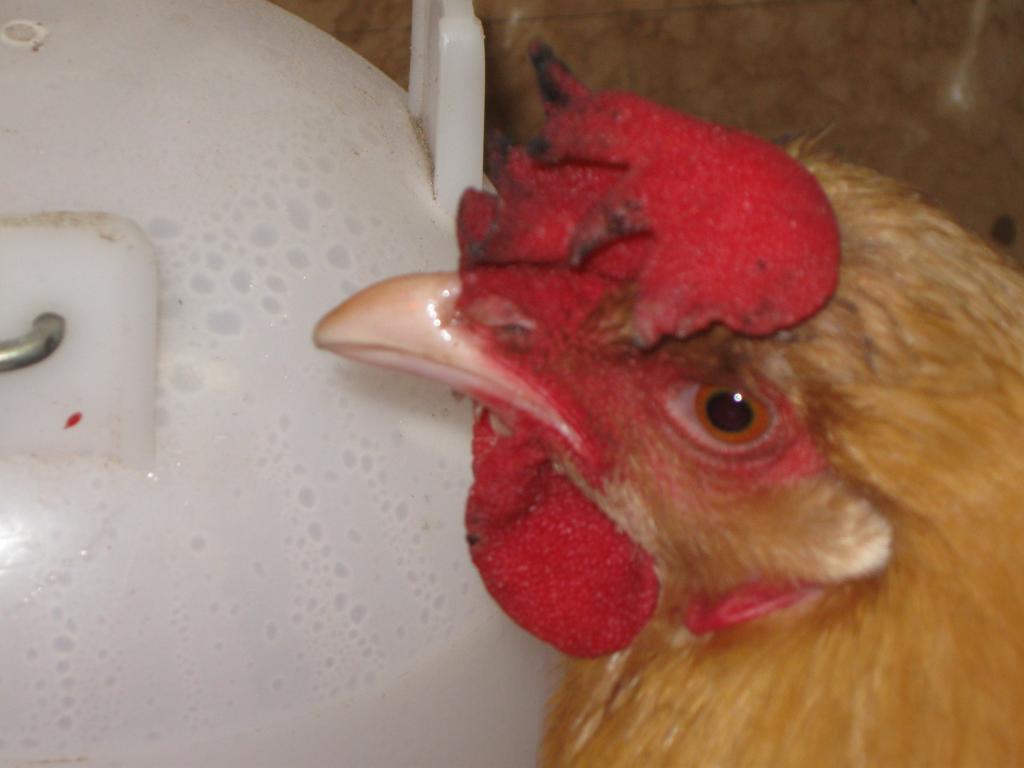
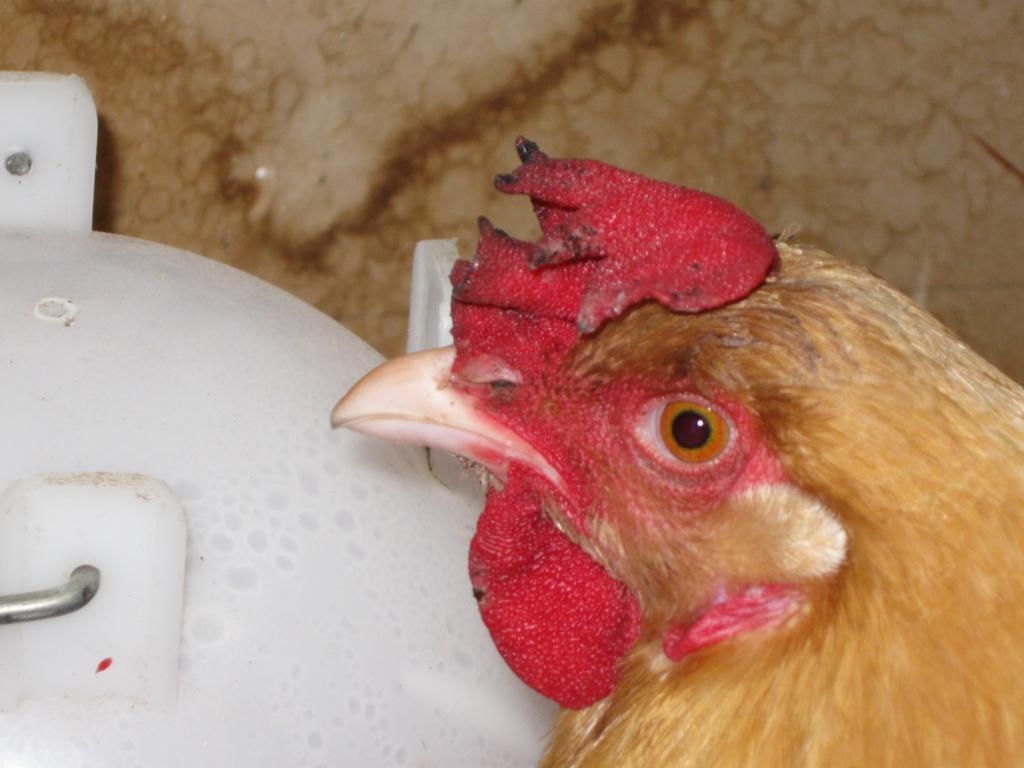
Raz -- You're right that humidity plays a big role in frostbite, but I'm not convinced that's what you're seeing. That's for a few reasons. Yes, wet days during our cold months are the riskiest for developing frost bite, but that doesn't necessarily extend to "humid" days. The really risky days are actually those january thaw days or those late Feb/early March days when everything is frozen, the temp barely rises above freezing and it drizzles all day long. Unless your weather was very different than the weather here, today was just not a day with much of any frostbite risk. Another reason I'm unconvinced is that frostbite doesn't usually show up at black right off the bat. If they had been frostbitten today the tips would probably be swollen, pale and/or grey-ish. Maybe with a purplish undertone, but not usually black right off. The comb coming in contact with the outside of the plastic waterer, unless it is left wet which then would transfer to the comb, is not a risk. Did your chickens stand outside in the cold rain and wind yesterday? I might be more inclined to think frost bite if they did... but even then... I wouldn't expect the comb tips to be black already. It's a slow onset and I would expect it to be especially slow in our current weather conditions.
The other thing is that purpling of the comb tips can be a sign of septicemic infectious tenosynovitis.
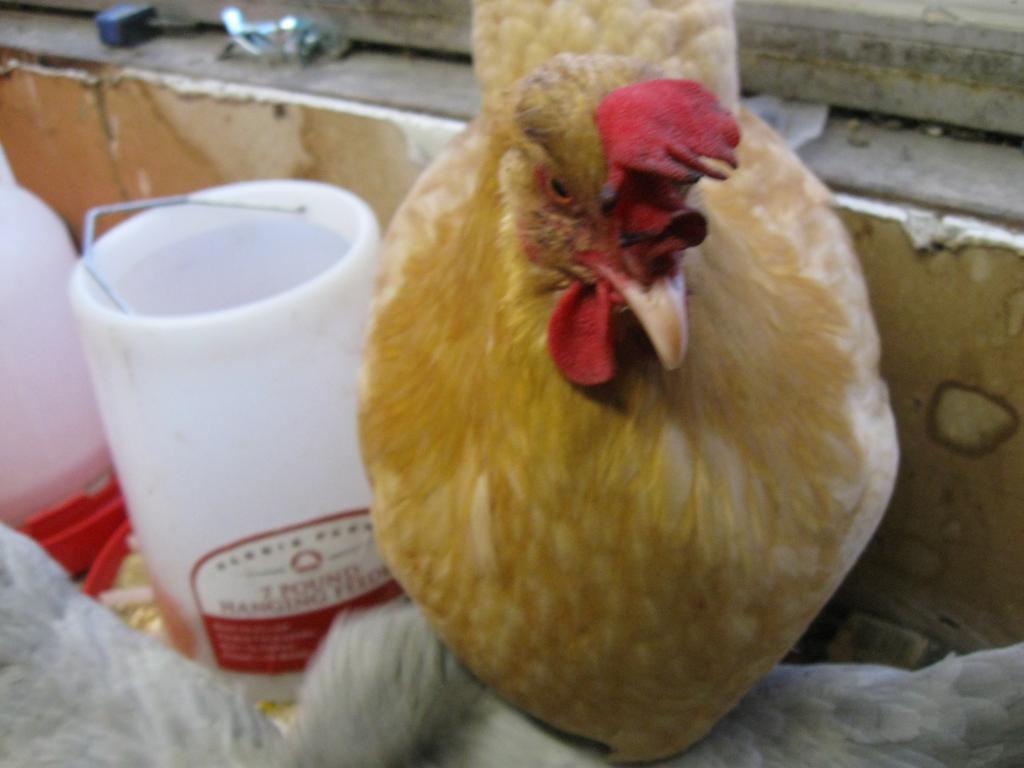
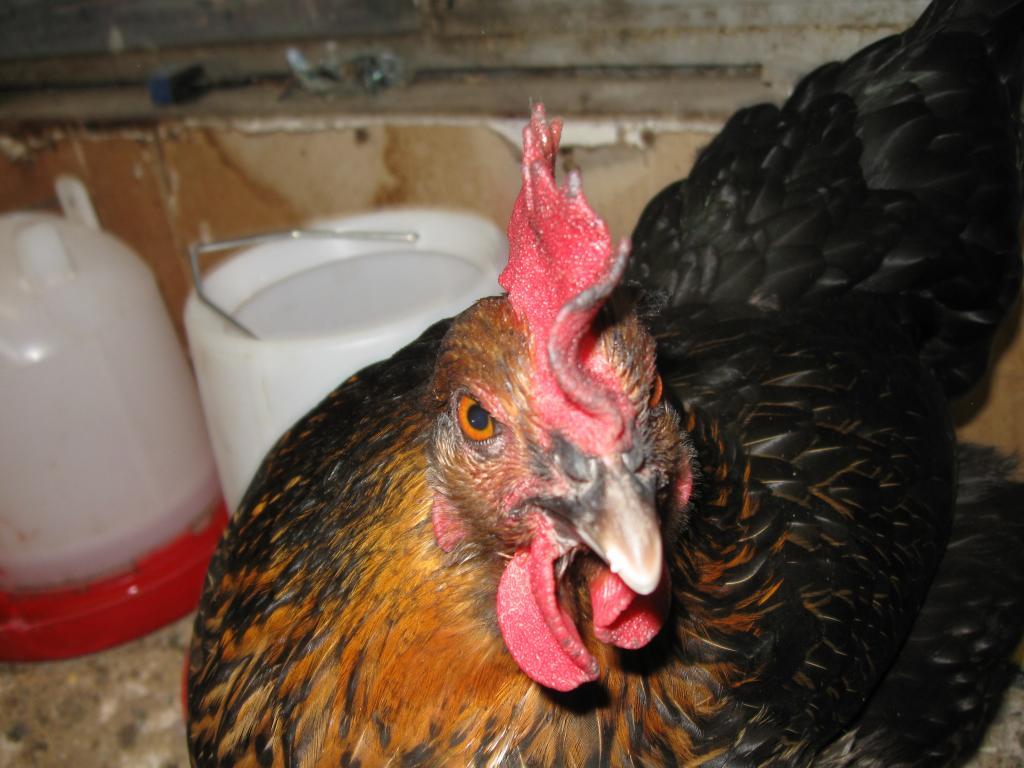
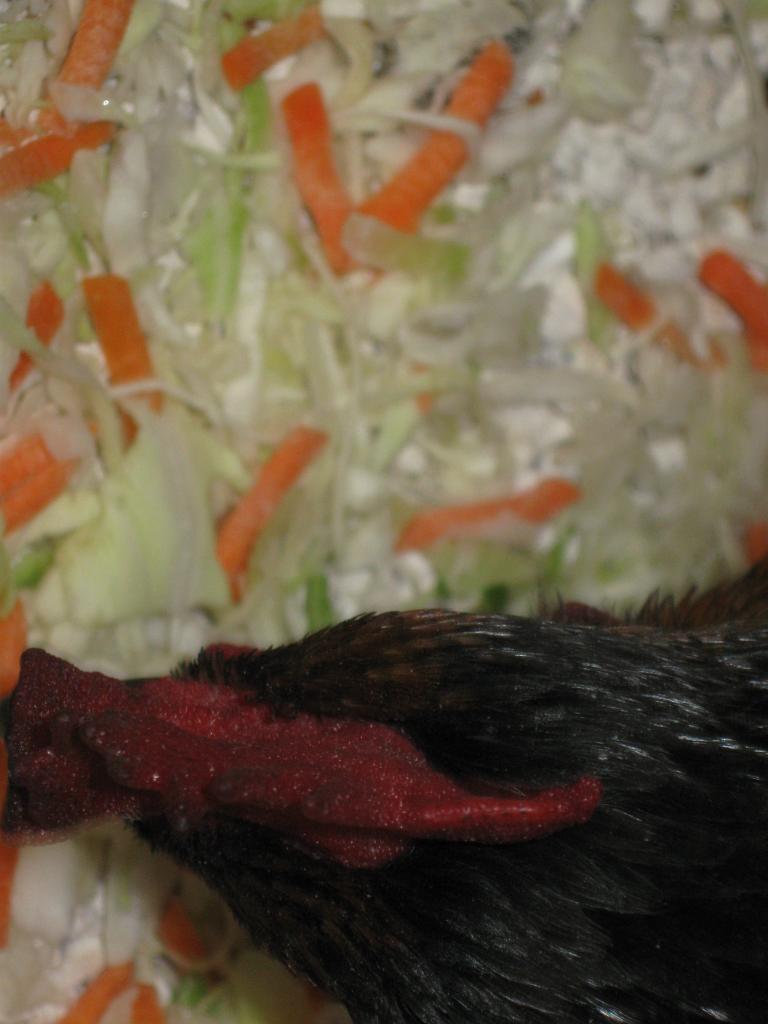
Can you post a picture?
I'd like to see a pic if possible . Could the black spots be from a pecking dispute or just dirty? This is very informative....it's my first winter with chickens. I inquired about this a while back and got a wonderful answer/explaination.
Was just skimming posts and attempting to catch up and seen Taprocks thoughts...similar to mine. Would still like to see a pic if possible.