Quote:
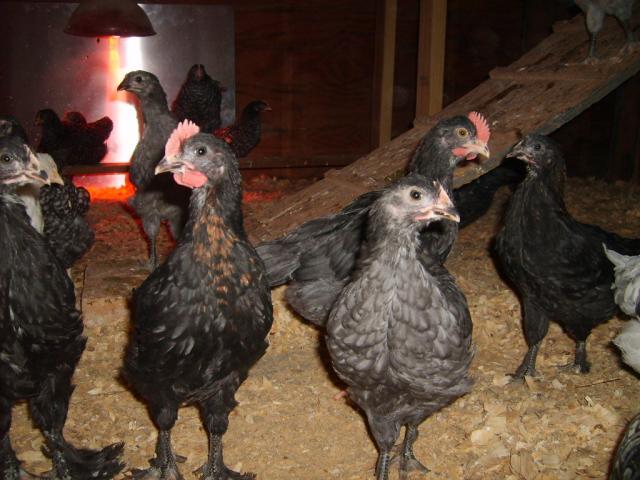
In the more strict sense of the term, "birchen" is a pattern. A silver birchen hen has a silver head and neck, with a black body. A gold birchen hen has a gold (or red, or rust, or whatever, depending on other modifying genes) head and neck, with a black body. A blue birchen hen has a silver head and neck with a blue body -- and so on. In the less strict sense, though, the word "birchen" is often used as short-hand for "silver birchen". That's one of the reasons why it's easy to get confused when people start throwing the word "birchen" around!
In the more strict sense of the term, "birchen" is a pattern. A silver birchen hen has a silver head and neck, with a black body. A gold birchen hen has a gold (or red, or rust, or whatever, depending on other modifying genes) head and neck, with a black body. A blue birchen hen has a silver head and neck with a blue body -- and so on. In the less strict sense, though, the word "birchen" is often used as short-hand for "silver birchen". That's one of the reasons why it's easy to get confused when people start throwing the word "birchen" around!
Is black and black copper the same thing? I see "black marans," and, "black copper marans." Are they interchangable, or is it solid black vs black with copper coloring?
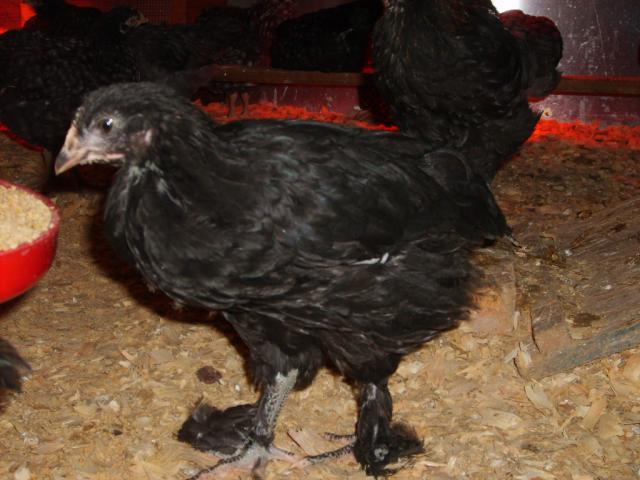
Black and black copper are NOT the same. Black is just what is sounds like -- black. Black copper is the same thing as gold birchen, or more specifically mahogany gold birchen.
Black and black copper are NOT the same. Black is just what is sounds like -- black. Black copper is the same thing as gold birchen, or more specifically mahogany gold birchen.
Sorry for such elementary questions. As you may have guessed, as it is so obvious, I know nothing about genetics. Or colors of chickens apparently! Why is a grey chicken called a "blue?" And lavender, now that confuses me even more. I see a picture of a "lavender orpington," and it looks to me like a grey chicken!
Chicken color genetics are VERY complicated, so don't feel bad about feeling ignorant!
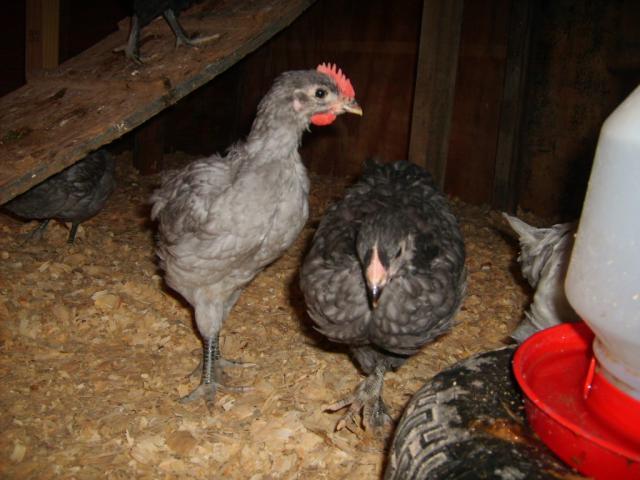
Gray is called "blue" in many places throughout the animal world. Kerry Blue Terriers, Russian Blue Cats, Blue Dobermans, Blue Heelers, Blue Roan, and so on. It's just an accepted name for it.
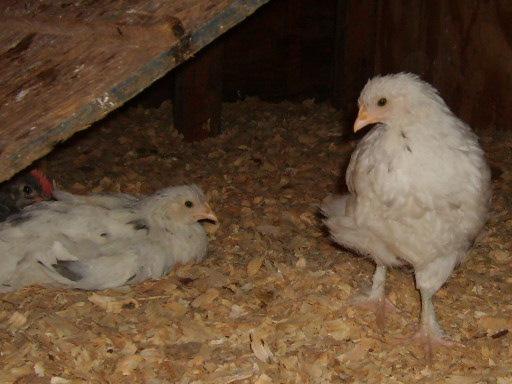
Lavender is a different type of "blue", with a different genetic basis. Just to make things even more confusing, lavender is also called "self blue".
Chicken color genetics are VERY complicated, so don't feel bad about feeling ignorant!
Gray is called "blue" in many places throughout the animal world. Kerry Blue Terriers, Russian Blue Cats, Blue Dobermans, Blue Heelers, Blue Roan, and so on. It's just an accepted name for it.
Lavender is a different type of "blue", with a different genetic basis. Just to make things even more confusing, lavender is also called "self blue".