
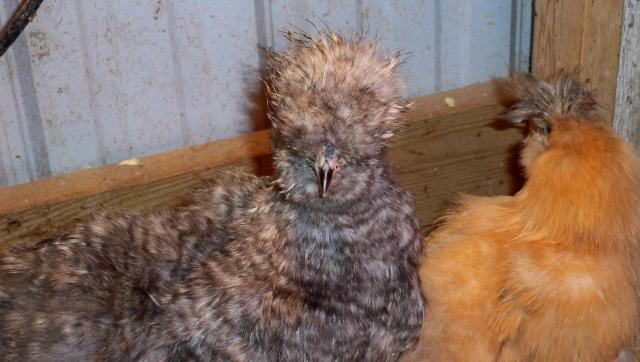
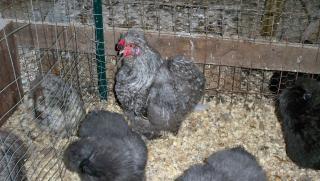
I have 6 Silkies between 14 & 18 wks. old. I am trying so hard to figure out their sex. When do these little buggars start to crow? It seems like my RIR chicks started to at least try to crow by now. And I was looking for the normal comb and wattles that roos get and can't find any. Do they actually get them?

Do bearded Silkie roos have distintive combs and wattles?
- Thread starter pennie1
- Start date



Similar threads


New posts New threads Active threads
-
Latest threads
-

-

-

-
 My Sapphire Gem Turned Mottled After Molting.
- Started by BigBlueHen53
- Replies: 5
-

-
-
Threads with more replies in the last 15 days
-

-
Heater or heat panel -10
- Started by IowaCHKN
- Replies: 151
-

-
 Open Contest Holiday Sweets Photo Contest
- Started by CCsGarden
- Replies: 114
-

-


