I handmilked one of our 4H raised jerseys for 2 lactations a decade ago. Here is my experience:
The tamer the cow, the better. I think you may even be better off buying a young heifer and getting her used to everyone and everything, then breeding her to calve when you want her to calve. March is recommended. That means breeding her in May/June .
Each breed has specific idiosyncrasies you need to know about. Jerseys, for instance, should be bred at a year of age. If you wait til 15 months, you may never get them bred. Modern dairy cows also have been bred for short teat length which is wonderful for milking machines and bad for hand milking. Shorthorns often have longer teats as do Brown Swiss. Swiss calves often refuse to nurse from anything other than mom. Ayrshires will either lay on top of you or run far away from you.
Calves must be fed appropriate food at each stage of life to grow properly. The first 6 months are the most expensive and they should be eating up to 5 lbs of grain per day plus really good hay. The next stage is to feed them enough high protein to keep them growing but not enough to get them fat in any way. A fat heifer may not breed. Lush young grass on a range can often be too much protein. Learn to judge a cow's condition to adjust their diet.
A milking cow ( your original question) can milk adequately for a family on just grass. However, I liked giving a few pounds of grain at each milking for a number of reasons. It gave her something nice to associate with milking. It gave her something to think about during milking. It kept weight on her. It made me a wonderful person in her eyes-- and this is important when the deer bring the fence down and she wanders. Our Jersey milked a max of 40 lbs per day when fresh on a grass diet with a few pounds of grain. Our grass was 1 1/2 acres of plain pasture grass. She held that production for about 7 months and then decreased to about 20 lbs/ day when we dried her off. If you are lucky, she will calve every 12 months. Figure on a 60 day dry period.
Again, you need to study her body to ensure you are feeding her enough to maintain her condition and have reserves to breed back. She should not be fat but not boney, either. Study the breed you get so you know what to look for and also study her dam if at all possible so you know what her lineage looks like in a mature stage.
For comparisons sake, when we had to put our cow into a small commercial herd where she was fed for production, she produced 80 lbs a day. That 40 lbs difference was the feed intake.
Also, with 5 acres, I would heartily recommend you investigate rotational grazing practices. They do work and provide better feed more consistently for your cattle.
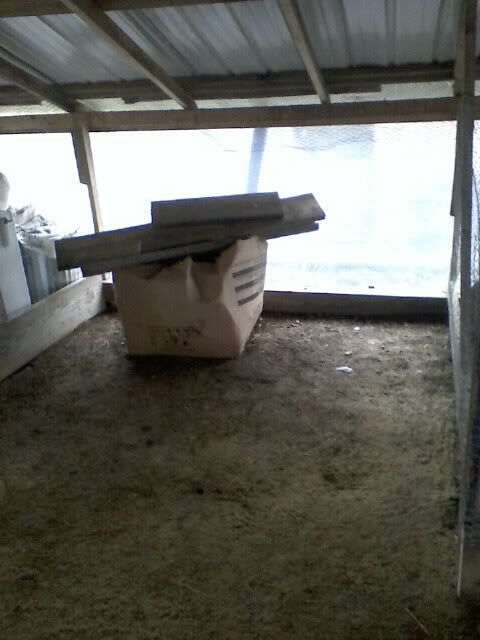
AS far as actual milking, I only had a lean-to shed. It was cold in the winter, but the cow was warm. It took me about 15-20 minutes to milk her and another 5-10 minutes to strain the milk, and wash everything. I decided not to use a machine because it would take that much longer to wash it up because of all the parts.
The hardest part of it all was chilling the milk as rapidly as possible. We used Ice water baths for gallon jars. Wish it could have been faster, but I didn't have a spring house with spring-running water

BTW.. milk is 8.6 lbs/gallon so 40 # is about 4 gallons a day. 2 gallons a milking.
Hope this gives you more to think about!