Quote:
Hi, Henk!
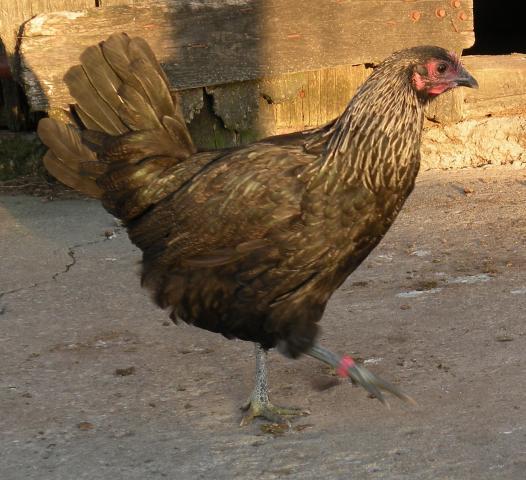
Thanks so much for popping in! This rare breed is described as:
Iowa Blue
Country of Origin: United States
Conservation Status: Study
Type of Breed: Dual-purpose, good amount of meat
Eggs: Good number of lightly tinted brown eggs
Cocks: 7 to 7.5 pounds (Cockerels 6.5 pounds)
Hens: 6 pounds (Pullet 5 pounds)
Characteristics: Good foragers; do well in free range conditions with males being excellent flock guardians and are noted to be talented hawk fighters. Hens will go broody and have great maternal instincts. Though very aware of surroundings in a free-range situation, are fairly docile and not particularly flighty. Males are vigorous breeders and mature quite early.
Comb: Medium to moderately large single comb with six well-defined points that stand upright.
Wattles: Medium to moderately large wattles and earlobes, all being bright red.
Eyes: Dark Brown
Beak: Horn
Shanks and Toes: Slate
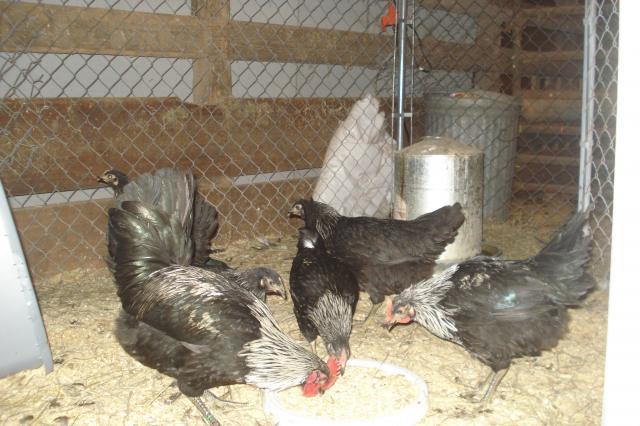
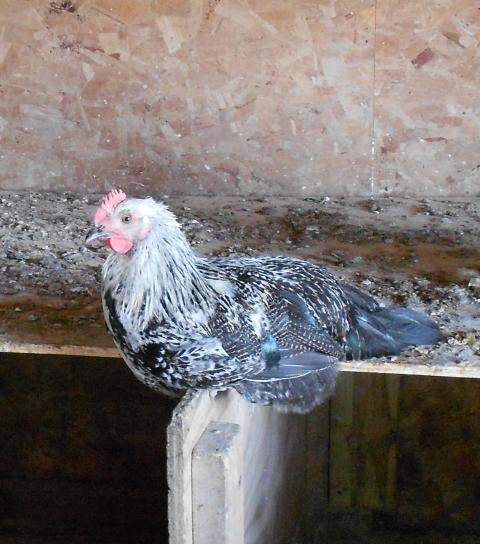
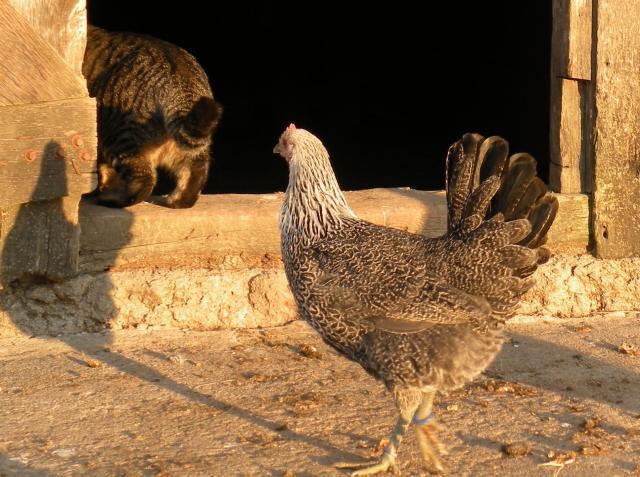
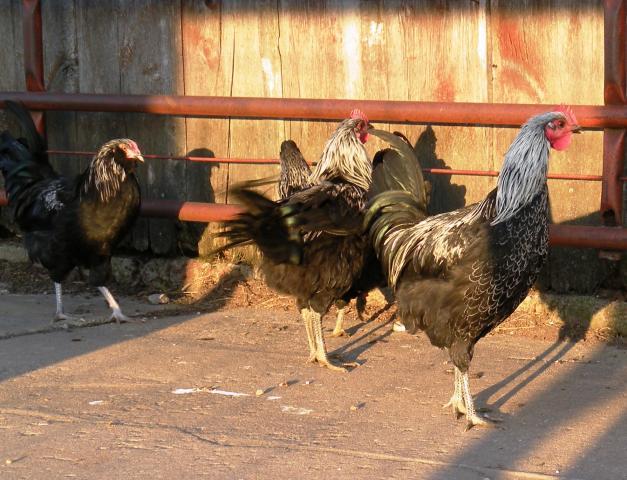
Color: Birchen. Head is white to silvery white. Neck and upper breast are white penciled with slender black central stripe transitioning to solid black feathers with white lacing. Lower breast, body, legs, wings, and tail are bluish black to gray with penciling. Lower breast should not be over-laced. Males show white to silvery white back and saddle area. Females have a back that is bluish to gray with penciling.
The breed can be used to create sex-links when mated with other breeds, especially White Plymouth Rocks (producing gray cockerels and black pullets) or New Hampshires (producing reddish gray cockerels and blackish gray pullets).
Some advice regarding breeding birchen breeds from a cochin breeder:
With birchens you will for the most part have to double mate them, meaning that you will have a breeding pen that will produce good males and another pen that will produce good females. Breed males with very little or no breast lacing to good laced or overly lace females to produce good males. Likewise, breed weak laced females to overly laced males with good yellow legs and light undercolor to achieve nicely colored females. In both cases the females out of the first breeding or the males out of the second breeding won't be fit for show due to color but they may be used in the breeding pens to achieve the same results.
NOW- that being said, we're wondering if there's a path that ought to be taken with these birds to get them back to this description on color. Breeders are finding the brown down in chicks is indicative of those birds that have different coloring as adults, and I'm wondering if you have any input on fluff color?