Luckybaby, Dawg53 has told you several times now to treat with Valbazen orally and in the eye just as ChickensAreSweet just did again. The reason one treats both orally and in the eye is to kill the worm larvae in the intestines and in the eye. If there is pus, then you may have a respiratory infection such as MG or coryza. Here is a bit of reading:
Life cycle of Oxyspirura worms
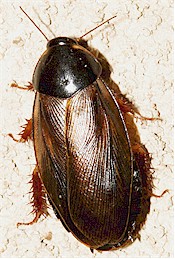
Oxyspirura worms have an indirect life cycle. Intermediate hosts are cockroaches (e.g. Pycnoscelus surinamensis, the Surinam cockroach, for Oxyspirura mansoni).
Adult female worms deposit eggs in their predilection sites around the eyes. These eggs are passed in the tears through the lacrimal duct to the amouth, are swallowed and shed with the feces. Cockroaches ingest these eggs that release the larvae after digestion. About 8 days later these larvae penetrate the gut's wall, get into the haemocoel (the body cavity of insects) and become encysted, mainly in the fat bodies but also in other tissues. Development to infective L3 larvae is completed about 50 days after ingestion by the cockroaches.
Birds become infected when eating contaminated cockroaches. After digestion infective larvae are released in the bird's gut. They migrate along the esophagus the pharynx and the mouth to the lacrimal duct and the eyes. This migration is very fast: 20 minutes after ingestion of the contaminated cockroaches worm larvae were already found in the lacrimal ducts. Once there, they complete development to adult worms and start producing eggs.
The prepatent period (time between infection and first eggs shed) is 4 to 5 weeks.
Harm caused by Oxyspirura worms, symptoms and diagnosis
Oxyspirura infections are not very frequent in poultry operations and usually the affect single animals, not whole flocks. However, in endemic regions with abundant intermediate hosts many birds in a flock can be affected.
Infections are often benign, but severe infections cannot be excluded. In these cases, the eyes are severely inflamed and watery, and the birds are restless and scratch the eyes continuously. The nictitating membrane may be swollen and moves constantly. The eyelids may be stuck together with a sticky material under the eyelids. Conjunctivitis, excessive lacrimation and photophobia have also reported as well. Infections with secondary bacteria can also occur. In severe cases the birds become blind and the eyes may be destroyed.
Diagnosis is based on clincial signs and detection of adult worms under the nictitating membrane or the conjunctival sac. Eggs can also be detected in the droppings after fecal examination.