Quote:
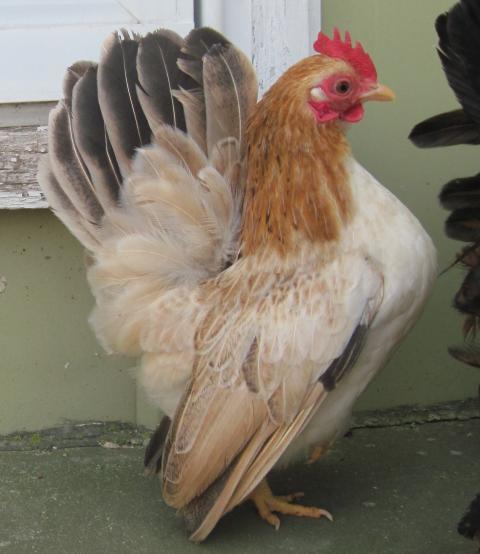
You won't be able to tell the quality of a Serama by looking at an egg or chick. Pretty birds can produce mediocre chicks just as easily as they can produce the next national champion. You may get lucky, but your chances of being happy with your purchase is better if you buy older birds. For example, these two pullets have the same father, and when they were chicks, I couldn't tell them apart. Since then, one has won BB or RB several times and the other is a givaway pet.
https://www.backyardchickens.com/forum/uploads/31816_img_1847.jpghttps://www.backyardchickens.com/forum/uploads/31816_img_2050_1.jpg
Wow, quite a difference!!!
I really am not exactly sure what I am looking for. Pretty new to the idea of breeding chickens. I had thought it wasn't a good idea to bring older birds onto the property, which is why I was looking for hatching eggs or chicks. I will have to do some more looking and research and figure out what I want.
Any input on what types sell the best? I'd like to eventually make this a small side business.
The micros sell well as a novelty item, but there's no way to get micros all of the time. The class A seramas are difficult to breed and often present fertility issues, the micros are known to NOT be able to reproduce. You will get seramas to hatch out in many different sizes, so I would recommend C class and B class birds for breeders, just make sure that the roosters are not too big for the hens. It's better to breed a larger hen to a smaller rooster. Serama hens can easily suffer leg injuries and whatnot.
Most of the very tiny seramas do NOT live long.
The chicks are very difficult to raise, needing more heat for a longer period, vitamins and electrolytes in their water, and as much extra protein as you can give them. LOTS of work. They tend to putter out if you don't devote a lot of time and care to them. I do not enjoy raising these teeny tiny chicks.
Another important thing to remember is if you're raising seramas your chicks can get pasty butt and die. It's a very serious problem for a lot of people. When I got tired of picking chick butts, I bought an eyebrow grooming kit to give my chicks "butt cuts", but it doesn't always prevent pasty butt, especially if they fall backwards onto their doodoo. Some people say white sand, didn't make a difference for me. The bread crumbs in their food seems to be working for the most part. One last thing here, though I'm sure I have left out quite a bit of important things, since the chicks are so tiny they will need their medicated chick food ground up into a course powder. Whew!
AND you will have to seperate your chicks by size as they grow so the bigger chicks don't end up jumping on the smaller chicks. Blah, blah, blah.
Also with seramas, depending where you live, the adult birds will need a heat source in cooler temperatures. The smooth feathereds are hardier than frizzled or silkied. I keep my birds inside my home with me - they go out into their play pen when the weather is sunny and warm.
Right now whites with yellow legs and blacks with yellow/swarthy legs are high in demand.
If you want to bank on an
easier breed, you ought to try paint silkies or English orpingtons.
Buff laced and golden laced brahmas fetch a pretty penny also. Seramas are a lot of fun, have interesting personalities, and are a real joy to raise. I personally believe that they are worth the hard work! I'm not trying to scare you off by any means, I just don't like people finding out the hard way that they don't want to put in a lot of work and time.