There are some variations, but a normal sequence when chickens mate is:
The rooster dances for the hen by lowering a wing and circling. This signals his intentions.
The hen squats. This spreads her out on the ground so the rooster's weight is spread out instead of all going through her legs.
The rooster hops on and grabs the back of her head. This head grab is her signal to raise her tail out of the way.
The rooster very quickly touches her vent with his and hops off. It can be over in an instant.
The hen stands up, fluffs up her feathers, and shakes. This gets his deposit in the right place to fertilize the eggs.
It does not always go exactly like this. The rooster does not always dance. Sometimes there is some chasing involved. But as long as the hen eventually squats and the rooster is not so rough he injures her, everything is as it should be.
From what you described, you should have fertile eggs. This thread shows you how you can crack and egg and look for the bull's eye. You can't hatch an egg that you have cracked, but if you find a bull's eye in the eggs you crack, the eggs you don't crack should also be fertile.
Fertile Egg Photos
https://www.backyardchickens.com/forum/viewtopic.php?id=16008&p=6
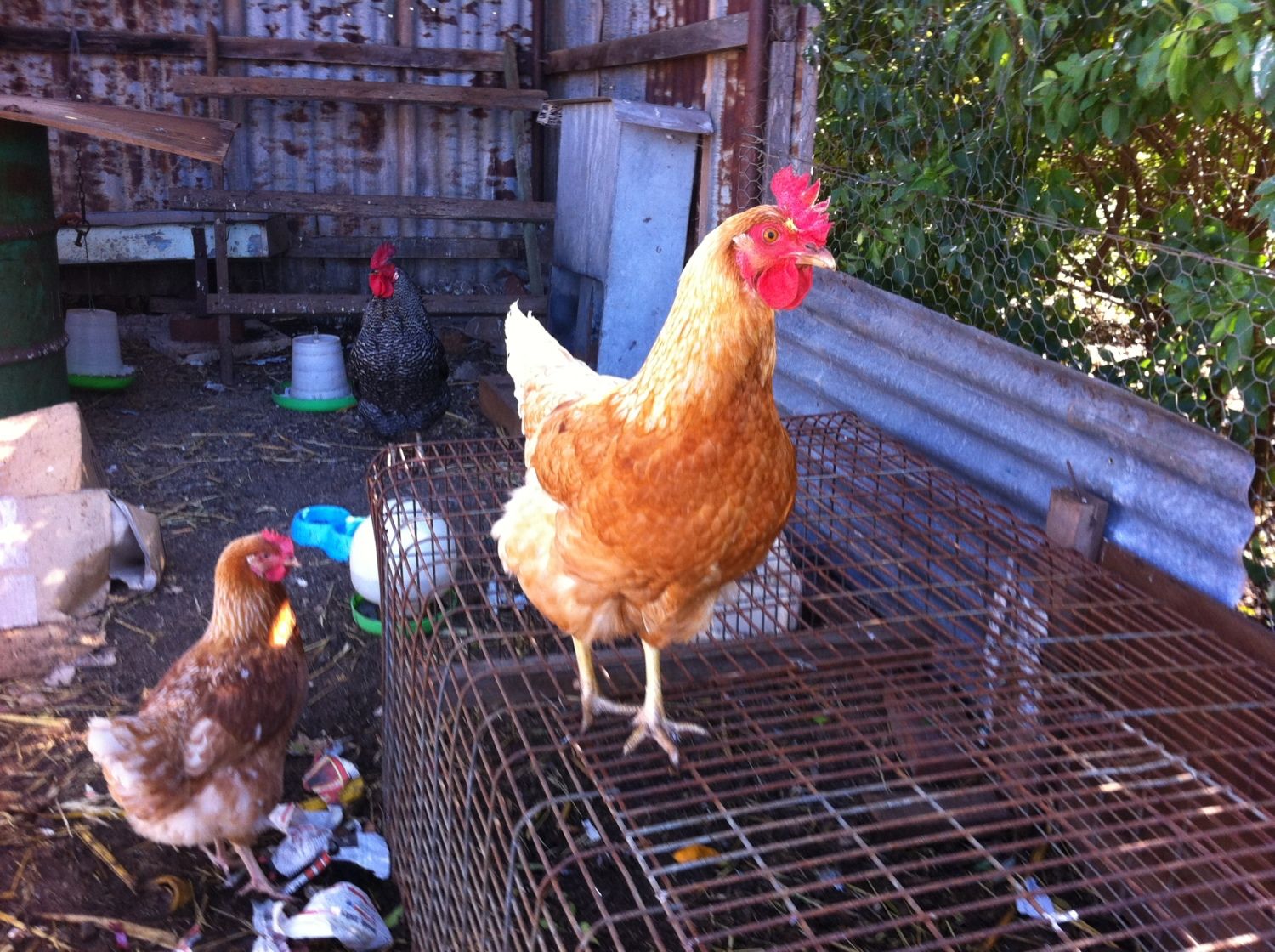
I don’t know the genetics of your red star hen. A red star could be a cross of many different breeds. Chickens inherit traits like going broody or laying lots of large eggs from their parents. The red star is a good layer because she inherited the genes to lay well from her parents. It has nothing to do with her being a sex link. You can make sex links from breeds that are lousy layers and the sex links will be lousy layers. Or you can cross good layers and get good layers. The sex links you get from hatcheries are almost always really good layers because their parents were good layers but that is not because they are sex links.
Where this gets more complicated is that some hatcheries' red stars are made by crossing two regular breeds, like Rhode Island Red or New Hampshire roosters over White Rock, Delaware, or Silver Laced Wyandotte hens. These are good layers because the flocks they come from are good layers. The hens are also a normal size because their parents were normal size. But some hatcheries sell commercial egg layers as red stars. These have been bred for many generations with very specific blood lines to produce commercial egg laying chickens that lay a lot of large eggs. These are usually smaller and often have leghorn blood in them. These are super laying chickens because of the very tightly controlled blood lines.
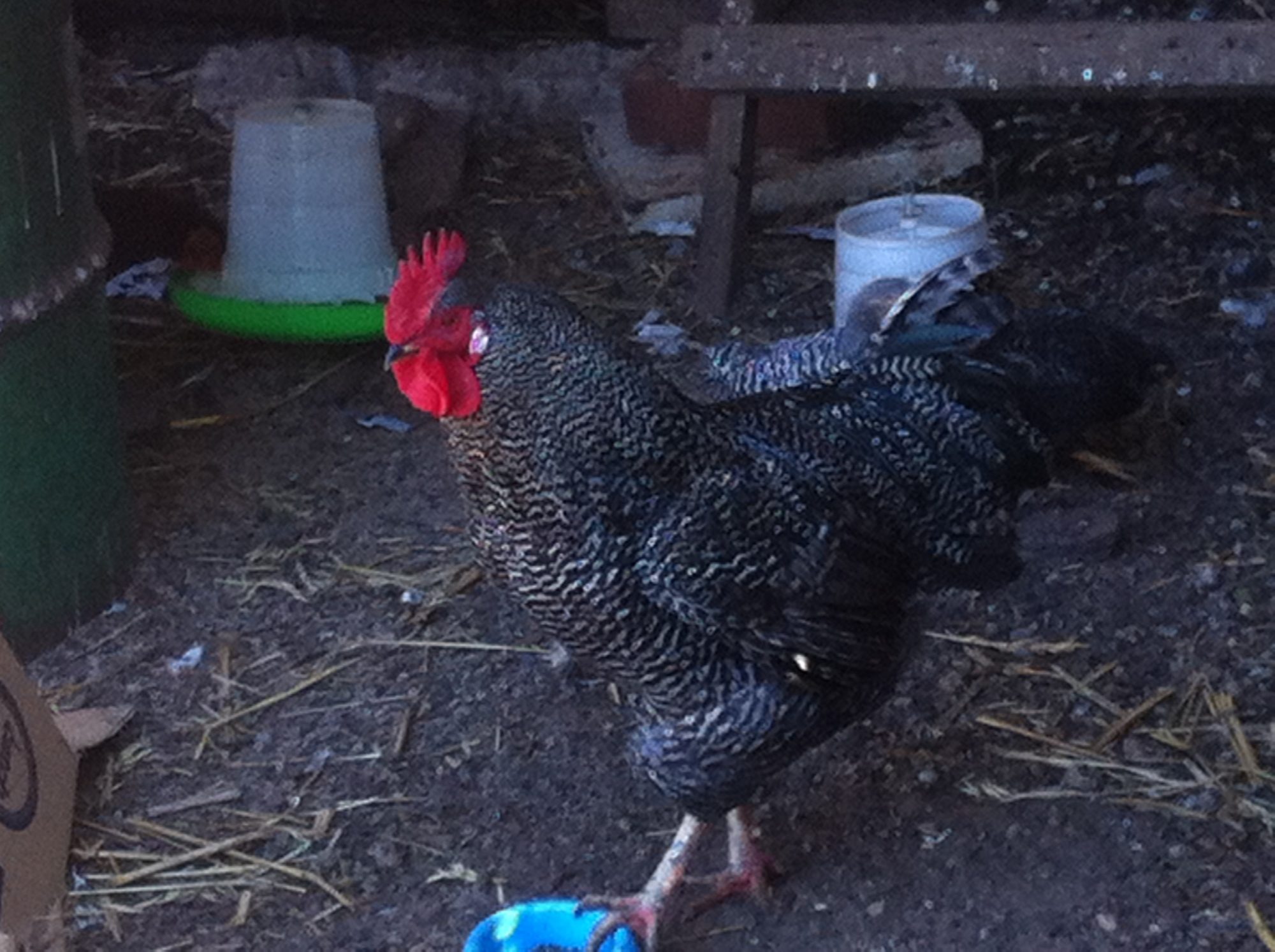
If you cross your red star with the barred rock rooster, you should get a chick with laying abilities somewhere between your red star and barred rock. That should give you a really good layer. If your red star was made by crossing two regular breeds, the offspring from her and the barred rock should lay about as well as she does. If your red star is actually a commercial egg laying chicken (which is a real possibility. I’m not sure what is available in Australia) then there will probably be a drop-off in egg laying ability, but they should still be good egg layers.
It’s the same thing about them going broody. Many chickens, especially from hatcheries and commercial production flocks, have had a lot of the broodiness bred out of them. That is especially true of the commercial laying breeds. Any hen can still go broody, but the odds of that happening are not real great with a lot of hatchery chickens. Some breeds have a better chance than others, especially the non-production breeds. I’d think that cross would not be very likely to go broody, but I really don’t know the background of the parents. I sure would not count on it. If you want a broody hen, you will have a lot better odds of getting one by getting a breed that is there for decoration, like silkies, cochin (you may call these peking), or maybe polish or Orpington. But don’t count on a production breed going broody.