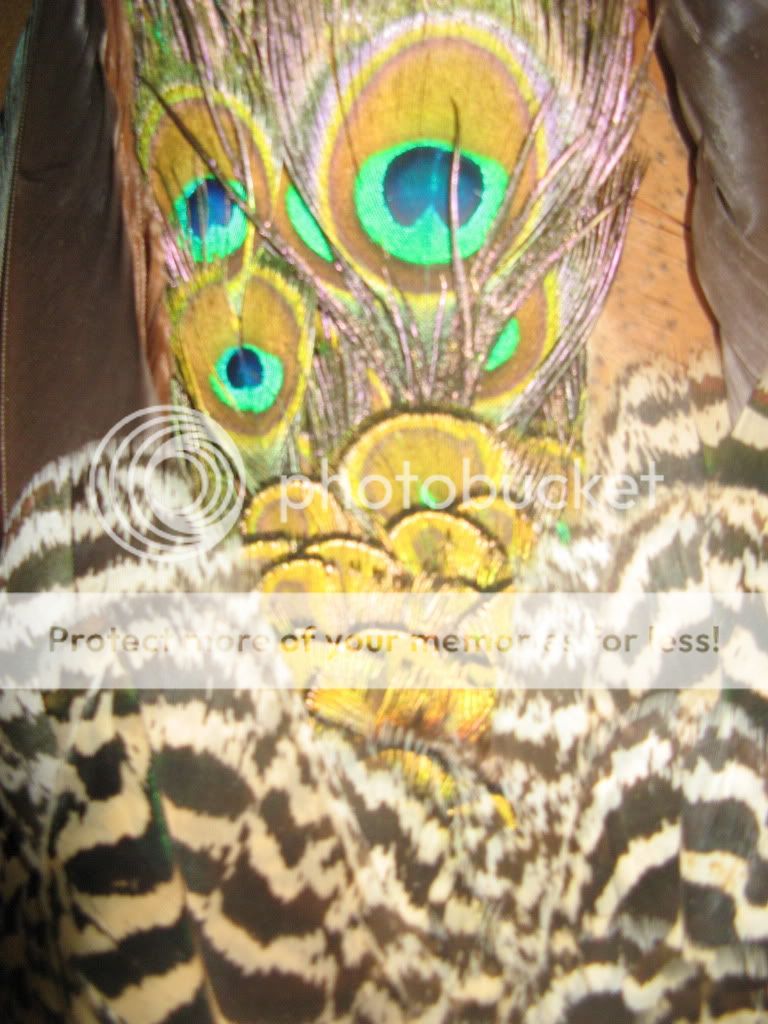
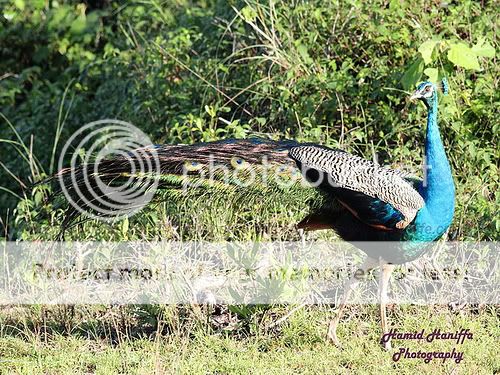
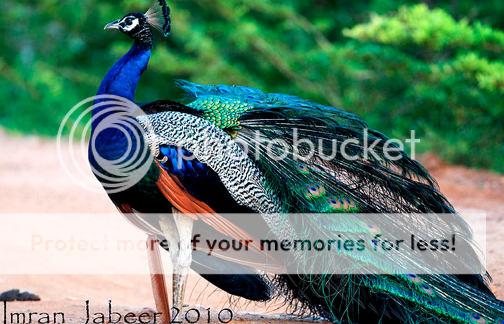
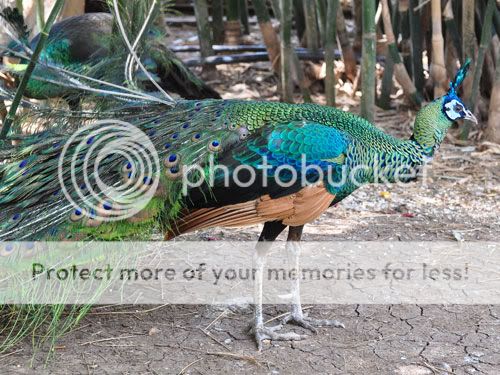
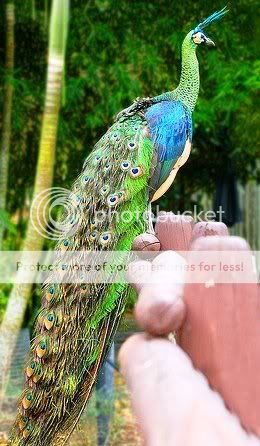
Too- the sickle coverts on the outside edge of the train could use some additional attention to detail- very blue in nominate
cristatus- less so in
singhalensis; electrum citron in
bokorensis,; neon lime in imperator-
The scepter plumes of the train ( they look like this:
Y- each species has it's own shape- subtle differences but different all the same. In some species like
cristatus, the scepter feather is highly developed -structurally complex as the ocelli. In other species like many of the green forms, the scepter plumes are more crescent shaped with less definition - though to be clear, the scepter plumes are one of the defining traits that distinguish
imperator from
annamensis and
spicifer from
imperator.
In
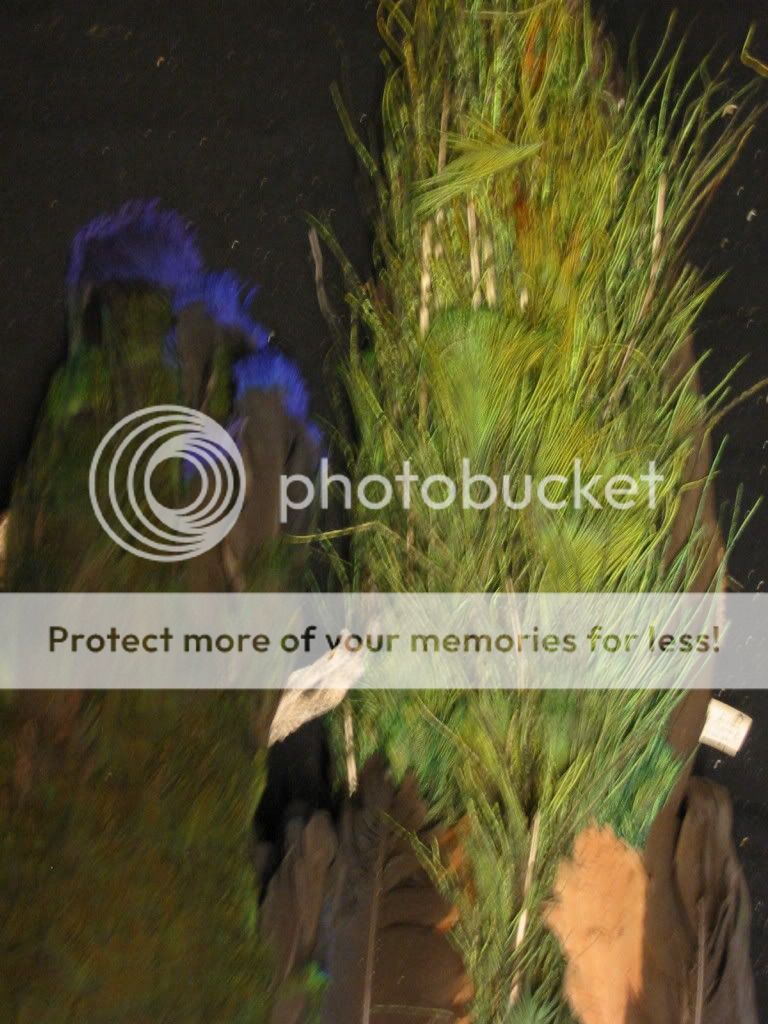
bokorensis, the terminal edge of scepter- the
V portion of the
Y-shaped plume are anchored in an intense blue -even more intense than their iridescent blue back. The hurls are particularly wide and dense a the bases of each
V- somewhat analogous with what we see in the exquisite sickle plumes of
cristatus in that a surprising shock of deepest blue- bodly stands apart as if in anticipation of the spectrum of another portion of the body. Likewise the wing coverts of
bokorensis, are as electric blue as those of a monal.
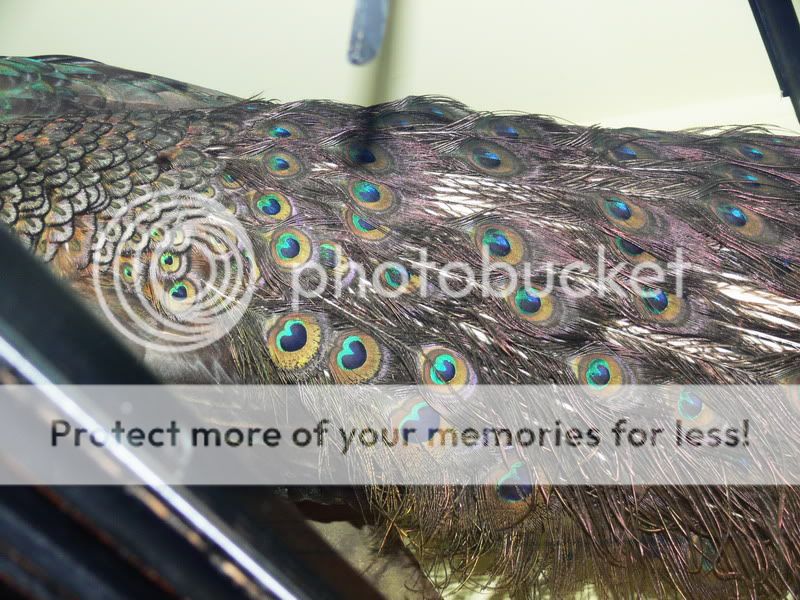
As you know, the back plate's exquisite scales evolve along the length of the back- and let's not skip over the fact that the back of a peafowl-( and argus)- is elongated- it has to be for the physics of operating such an elongated (true) tail. The back is also narrow in direct comparison to turkeys, grouse or pheasants. The terminal ends of the largest scales of the back plate reveal a series- chronologically and exponentially more intricate in pattern- and these patterns hold the very blue print of the umbrae (eye spots) of the train.
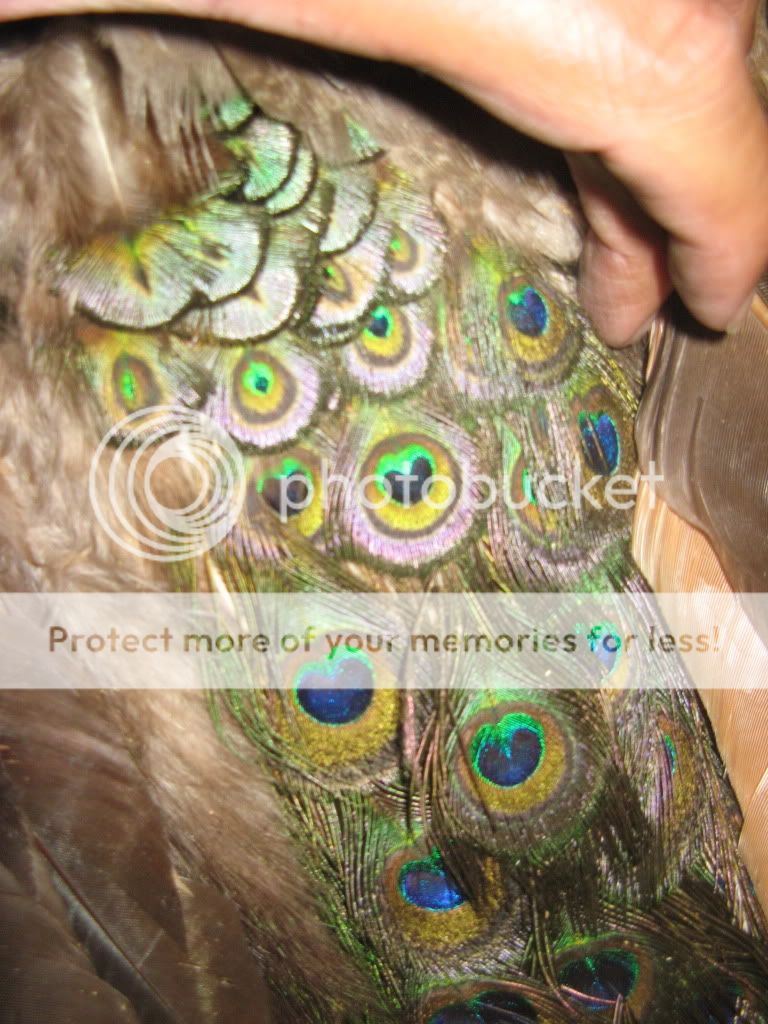
Terminal edge of the back plate= male Sri Lanka, note, cristatus penumbrae ( smallest eye spots closest to the back plate) are larger and than those of most green peafowls. This is a distinction of the scales themselves as well. Compare individual plumes of the backplate of cristatus and those with different green peafowl
Terminal edge of the back plate of Pahang ("muticus muticus" )* note compare penumbrae of different forms - how are they similar? How are they different?
Terminal edge of the back plate of Arakan spicifer
Subadult train of Yunnan form of annamensis
comparison of Afropavo and trainless morph of spicifer
antiqus
Another detail that is a little easy to miss is that the retrices are held out horizontally -spread widely when the bird is in flight. This is pivotal in the physics of flight of peafowls. Where true tail feathers and wings overlap -the retrices need to be at the right angle- and if the back is not of sufficient length, the appearance is going to appear to be bulkier than the actual body plan of the bird.
Sri Lanka male in rising flight, note position of alula and outermost retrices re: physics of flight_ also, note the barring of the singhalensis retrices and their hue - the primaries are also of a different hue in this race of cristatus