Quote:
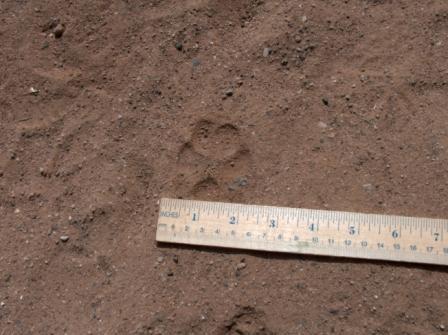
That's what I was thinking too. A few years ago (our 2nd attempt at having chickens), some kind of wild animal took one of our hens. I found prints and didn't see toenail marks either. When I called Game & Fish they suggested that it was probably a bobcat. This animal only killed one hen and took it over our 6 ft. block wall. I tracked it for about 1/2 a mile in the wash that is behind us. I found that it stopped about 3 times to rest and eat a little (there were indentation in the weeds & lots of extra feathers in these resting spots).
It only killed & took one hen, but that might be because we have dogs that live in our backyard. Maybe our predator felt the need to get in and out quickly. We rehomed our hens after that because we didn't have a secure coop and weren't in the position to put one up quickly, so I have no idea if the predator ever returned.
It does look like wildcats will bury their food if they can't take it with them. I found this quote on the internet:
"Food caching is best known in one of the big cats, the leopard. Leopards cache food high up in trees out of reach of lions and hyenas and will return to the cache again and again. It is also seen in the North American bobcat. When a bobcat kills more than it can eat in one meal, it covers the remains of its kill with leaves or other debris and returns to finish it later. It will also help itself to another bobcats cache if it finds one. Pumas and cheetahs also cache food. In general, these are cats that kill prey their own size or larger than themselves where they cant eat it in one sitting."
I'm so sorry you lost your bunnies and hope you can figure out how to keep this animal away in the future.