
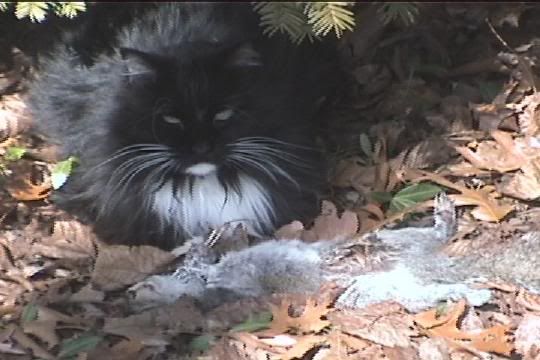
A pellet rifle works well. My whole neighborhood is fed up with the little boogers. At least 8 people in my neighborhood are harvesting them to thin them out. We are just beginning to make a dent. They love to make nests in our attics. Out of literally hundreds of pecan trees in the area you are lucky to get a pecan. I don't eat them so I give them away or feed them to the cat.





New posts New threads Active threads
-
Latest threads
-

-
-
-
Woke up to a dead chick in the brooder. Does this look like pasty butt?
- Started by sophiehatter1057
- Replies: 0
-
-
-
Threads with more replies in the last 15 days
-

-

-
 BYC's 52-Week Photography Challenge — Week 12: Details! — Mar 23–29, 2026
- Started by CCsGarden
- Replies: 75
-
 Open Contest Favorite Breed Photo Contest - Brought to you by Valley Hatchery
- Started by ValleyHatchery
- Replies: 62
-
 April Fools 2026 - New BYC Product - OvaSense™ Smart Nest Panel!
- Started by Nifty-Chicken
- Replies: 58
-


