pressure treated or regular pine?

pysankigirl

Songster
8 Years
Joined
May 2, 2012
Messages
2,196
Reaction score
51
Points
211
Location
Virginia
what do people usually make their coops out of? Pressure treated or regular lumber?

I made ours out of a combination of both...things touching the ground are pressure treated, and the roof. and now I am not sure if that was a good idea or not. I wanted to paint the heck out of the inside of the coop to facilitate clean-up later but have found out that I have to wait 6 months to paint the pressure treated parts???!!!??? is that right?
 
My husband is an architect, and he's never heard of having to wait six months to paint pressure treated lumber. I would definitely paint it, just in case it leaches or something.
 
My husband is an architect, and he's never heard of having to wait six months to paint pressure treated lumber. I would definitely paint it, just in case it leaches or something.
Waiting to paint pressure treated lumber is somewhat of a standard practice. A quick google search turned up numerous posts about this on contractor websites. Pressure treated lumber tends to have a high moisture content. Consider if you will, whether you would attempt to paint your interior bathroom wall immeidately after taking a hot shower with the door shut...and why not?

The following advice comes from the website: http://www.hereandthere.org/oldhouse/painting-pressure-treated.htm

Allow pressure treated lumber to age at least 90 days or preferably six months before painting. This allows excessive protective chemicals to ooze out of the surface, lowering the moisture level to improve paint adhesion.
If the new pressure treated lumber shows any signs of mold, mildew, or algae growth, pressure clean the surface just as you would for prepping for any paint job, using a dilute solution of chlorine and water. Surprisingly, mildew grows quite well on unprotected, pressure treated lumber and it must be removed before painting.
It is recommend to paint with an appropriate primer and topcoat system. The recommended system for best durability is to prime with one coat of a 100% acrylic primer and then topcoating with a 100% acrylic flat or eggshell. The use of vinyl acrylic, acrylic blends, or low quality, non-100% acrylic primers and paints is specifically not recommended.
We do not recommend clear waterproof sealers on pressure treated lumber, as the nature of the lumber eliminates the ability of these sealers to penetrate properly. Sifting on the surface, these sealers can actually attract dirt, mold, mildew and algae causing more damage than you would get if you just left it alone. Staining pressure treated lumber is also not recommended, again due to the inability of stains to properly penetrate into the lumber. It is our experience that a proper primer and topcoat of 100% acrylic premium paints has the best chance of adhering and withstanding the excessive moisture and shrinkage of pressure treated lumber.

 
Different areas of the country are able to do different things so far as wood is concerned. For my part here in Florida I use pressure treated wood for pretty much everything I build that is poultry related. I don't ordinarily paint it but if I were going to I'd wait for the reasons outlines above.

In fact I don't even like to build with it before it has dried out. I try to arrange that any treated lumber I'm going to use to build with is purchased a week or more in advance then stacked so that it can have air flow around it so as to dry out. Fresh from the lumber yard it's fairly common for it to be fairly well saturated though I do sometimes get lucky and get some that is properly dried out.
 
We use pressure treated lumber only under the floors of our coops. The rest is usually southern yellow pine. We prime and paint the wood.


Last edited:
There's a lot more to pressure treated lumber than I ever wanted to know!

You might contact your local permit office to find out what recommended building practices are for your area.
 
what do people usually make their coops out of? Pressure treated or regular lumber?

I made ours out of a combination of both...things touching the ground are pressure treated, and the roof. and now I am not sure if that was a good idea or not. I wanted to paint the heck out of the inside of the coop to facilitate clean-up later but have found out that I have to wait 6 months to paint the pressure treated parts???!!!??? is that right?
Maybe you could cover the floor with vinyl for easy clean up.
 
Now I'm no architect, but give the pressure treated (PT) time to dry. New PT is impregnated with moisture and chemicals. Drive a screw into it and you'll often see moisture being forced out. Just like regular wood, if you paint it when it is wet, your paint will peel.

I prefer to use as little PT lumber as I can. Modern PT lumber (called ACQ) no longer has arsenic, but I still don't trust them chemicals in it, and used as little as I could on m coop (just the floor framing and posts) and avoid using it in other places as well. I'd never use it on raised garden beds, for example.

Pressure treated or not, if lumber is in contact with the ground, it will rot over time (years). If wood is constantly getting wet, but doesn't have a chance to dry, that will rot overtime too. But if wood is out in the open air and is able to dry out, it will last awhile, pressure treated, painted or not.

 
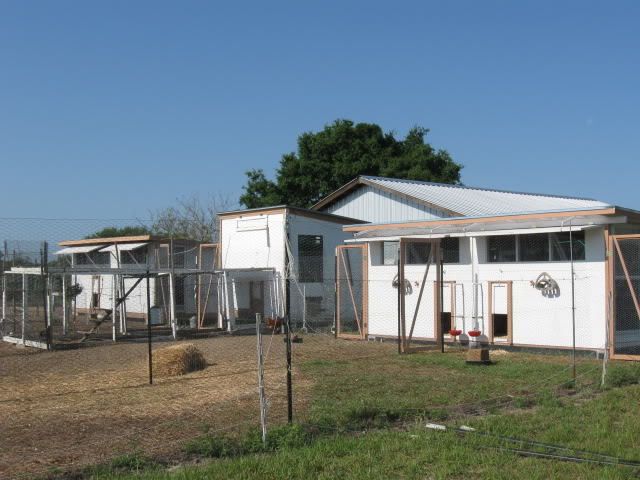
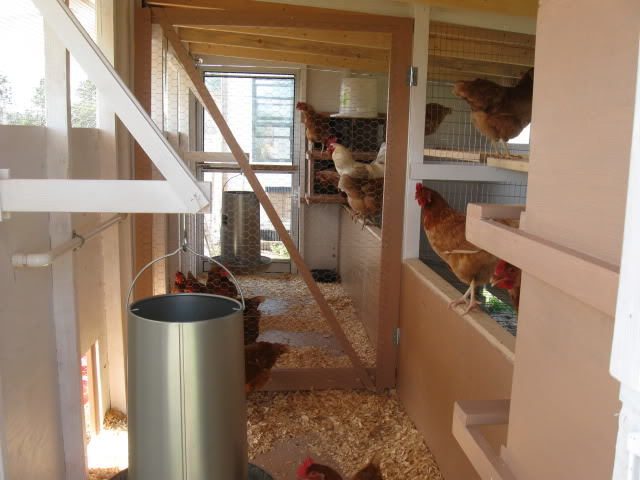
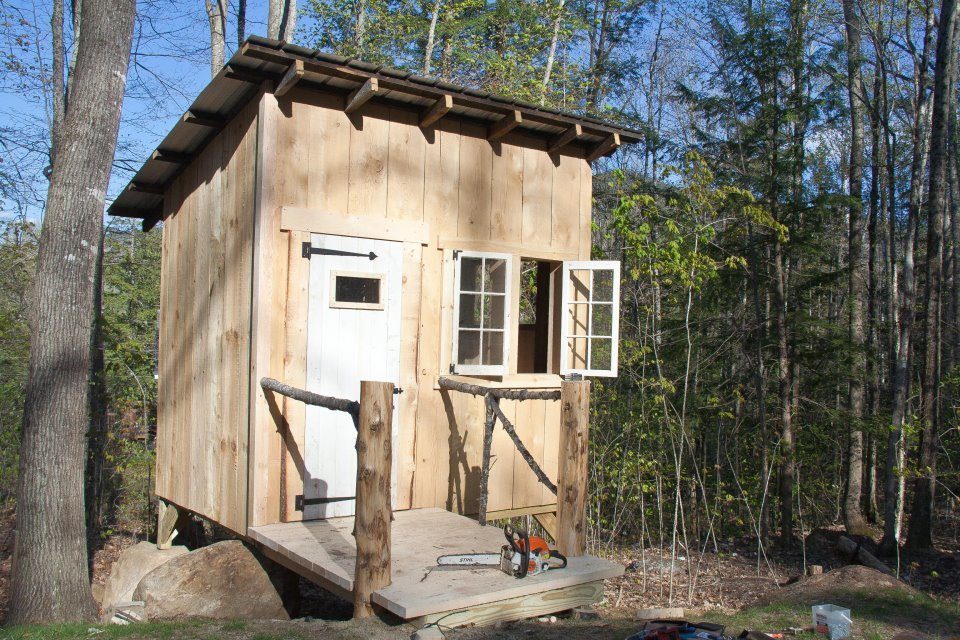
now that's a cute little coop!


We actually don't have a floor...dirt floor. the PT lumber is on the walls that sit on the ground and the roof. I am kinda wishing that I'd let all my regular lumber sit out for a few weeks and painted before I even put it together (for longevity) but alas, I am not willing to take it all apart again to do that, so it will have to do.

we live in a very moist environment...Virginia. so yeah. rot happens. just like the dang thing to last as long as possible.
 
Take a picture of the coop?

I assume your base plates that hit the ground (or are in the ground) are PT. I say leave those and don'e even paint them. What is your siding? If that hits the ground or you don't have much roof overhang to block splashing water, I'd paint that.
 

New posts New threads Active threads

Back
Top Bottom