Karen,
Couple of questions for you. Is there a term for too much black like gay= too much white?
I have seen Speckled Sussex called "too dark" that had too much black in them.
Thanks for the "Wood" book tip.
More than welcome.
I'm pretty good with livestock genetics, beef, sheep, and swine but don't have much down for poultry yet.
Yes, I bred collies for 15 years and love studying breeding strategies. I agree, poultry is a whole different
world and so much doesn't translate because of the large number of sex linked genes in birds and the
fact the male bird is xy and the female xx, whew!
Please explain further eWH locus.
What do you need to know? The Light Sussex is properly made with pure eWh locus. When combined with the Co gene, pure eWh locus keeps the black in the proper places on the bird. If the Light Sussex is bred on the eb (Brown) Locus, then there is grey or darker in the undercolor and the bird isn't white in plumage all the way to the skin. If the Light Sussex is bred on eWh/eb combo, then the bird has black pepper scatterered thru the white parts of its plumage (especially on the back). This scattered black on the back can also result when two pure eWh parents have too much black between them for a proper color balance. For instance, breeding two birds with "superhackles", ( hackles which are almost solid black without the required ratio of white. I think some have been misinformed, not you, that the Light Sussex hackle is a black feather laced with white. In fact, the Light Sussex hackle feather is a white feather with a black stripe down the middle. This conception makes a huge difference when color mating strategies are being developed.
Light meaning light red or white and if people are using silver or Birchen would that explain the black checking?
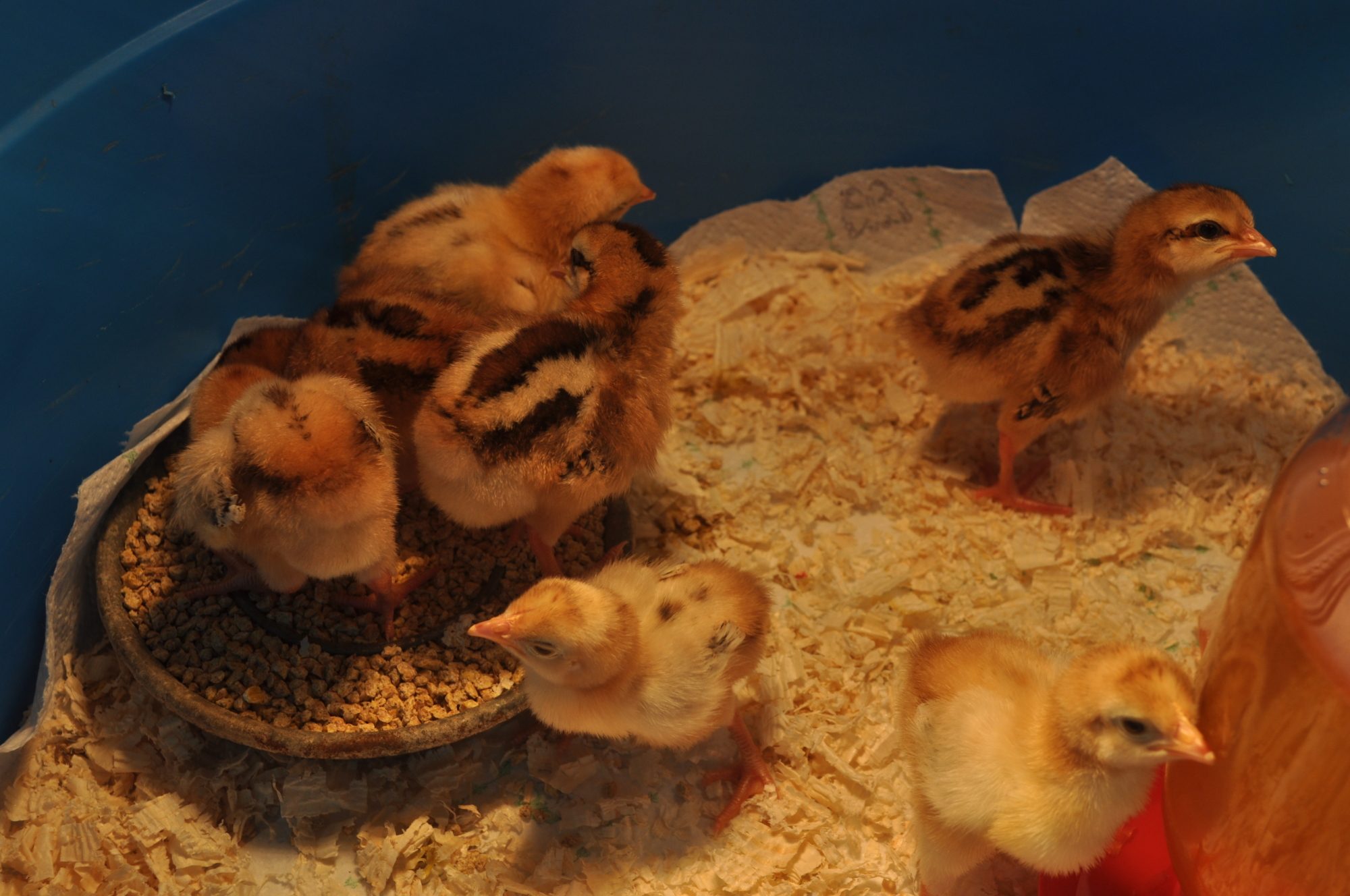
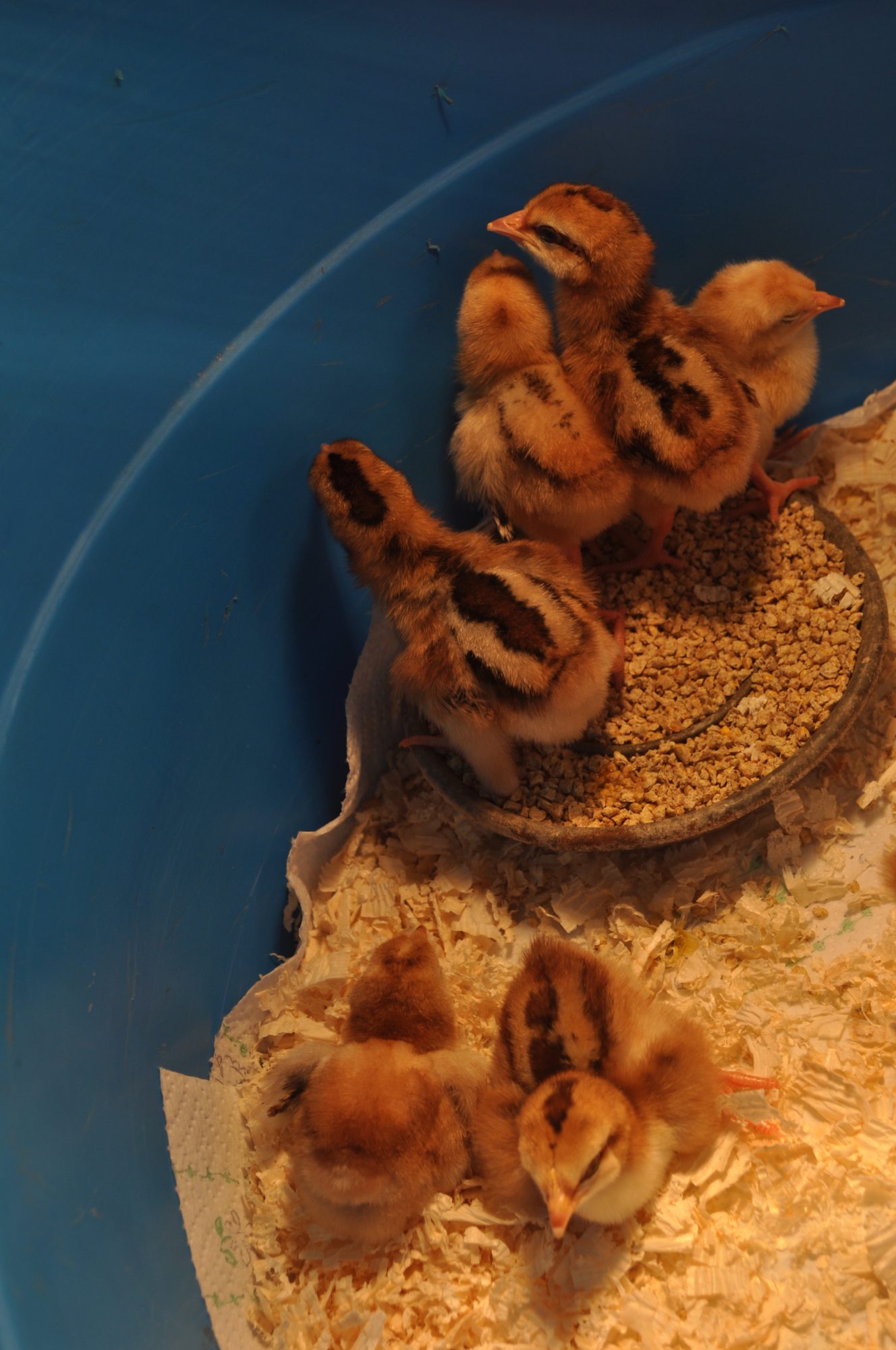
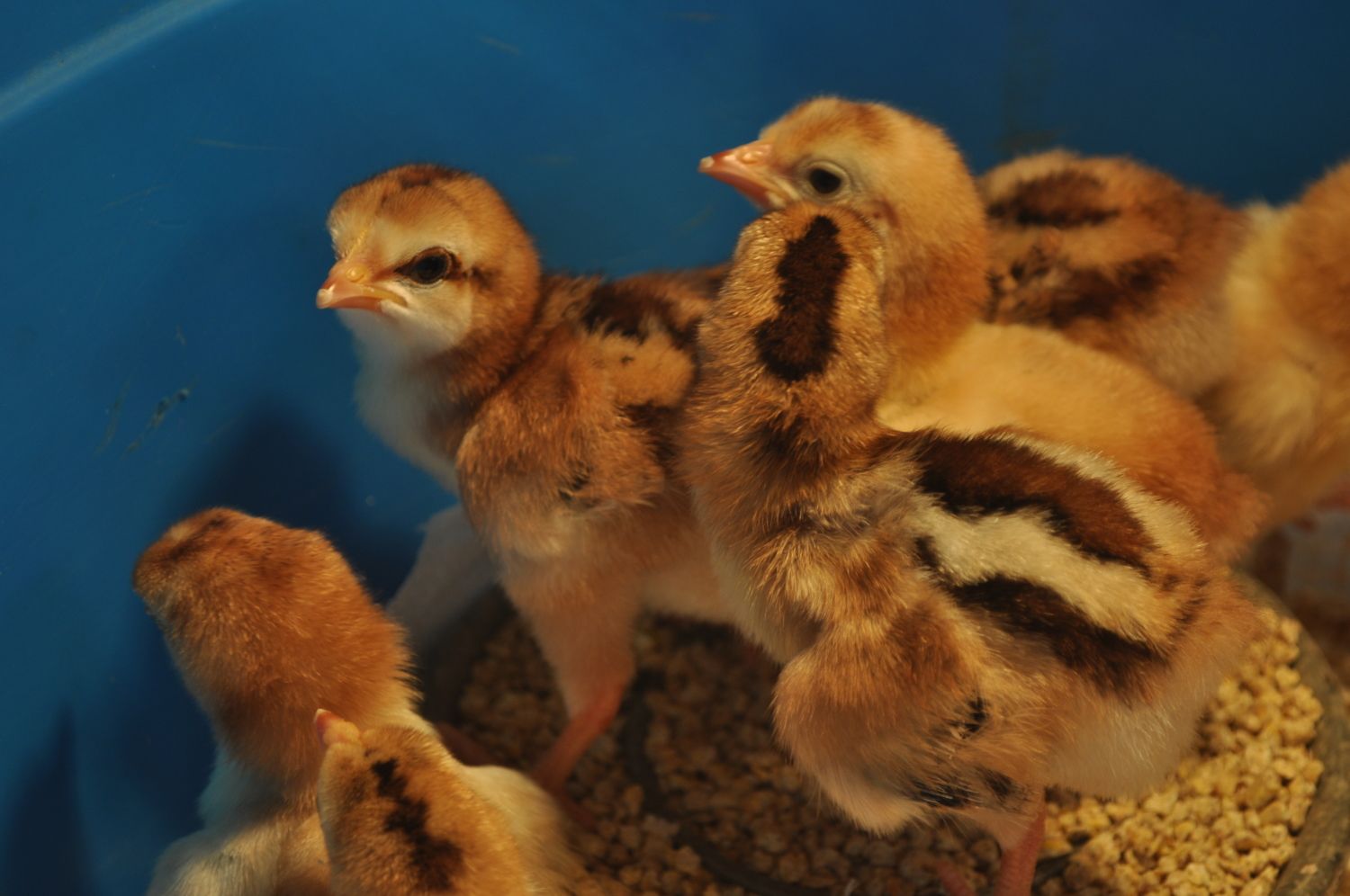
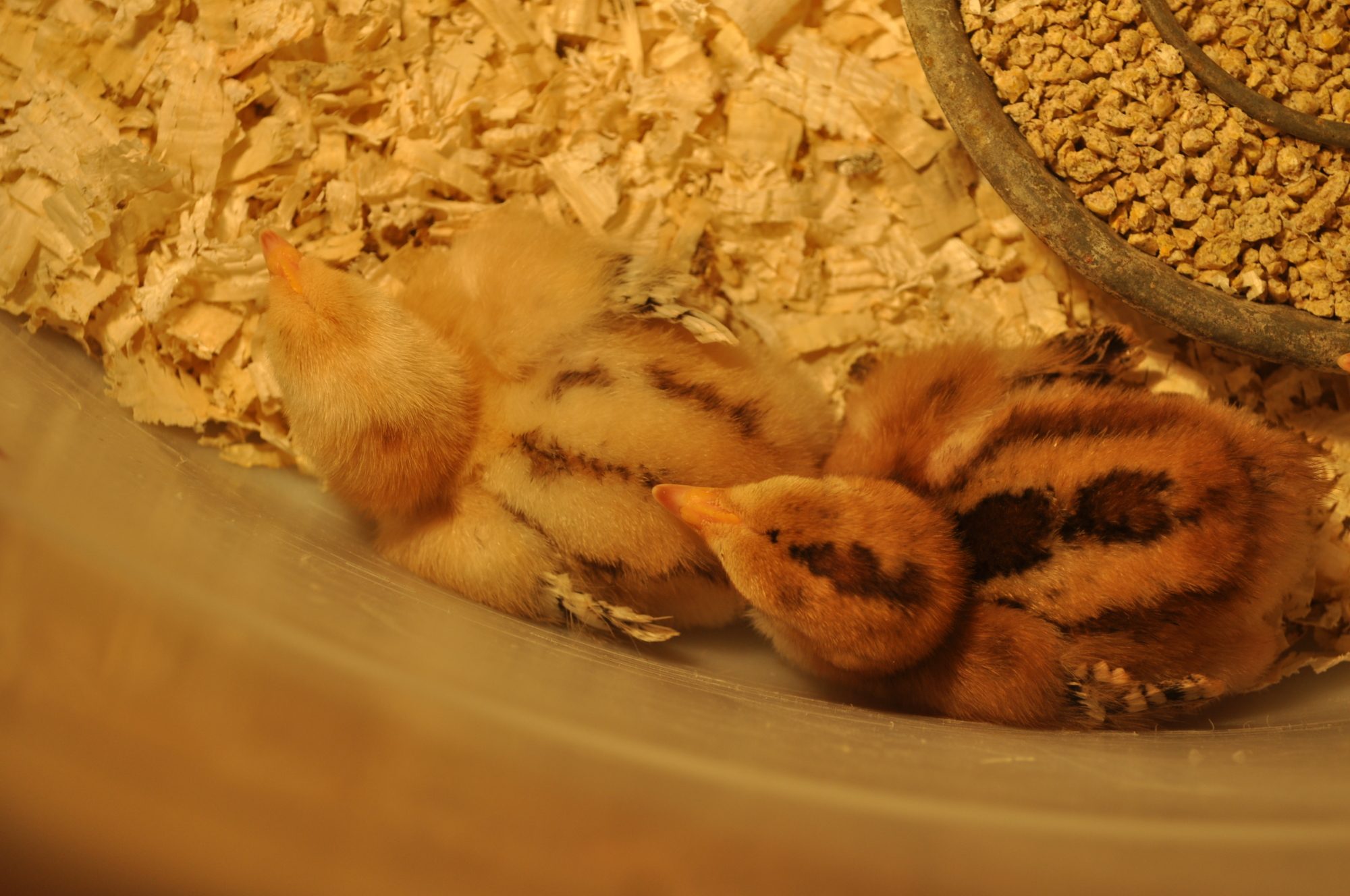
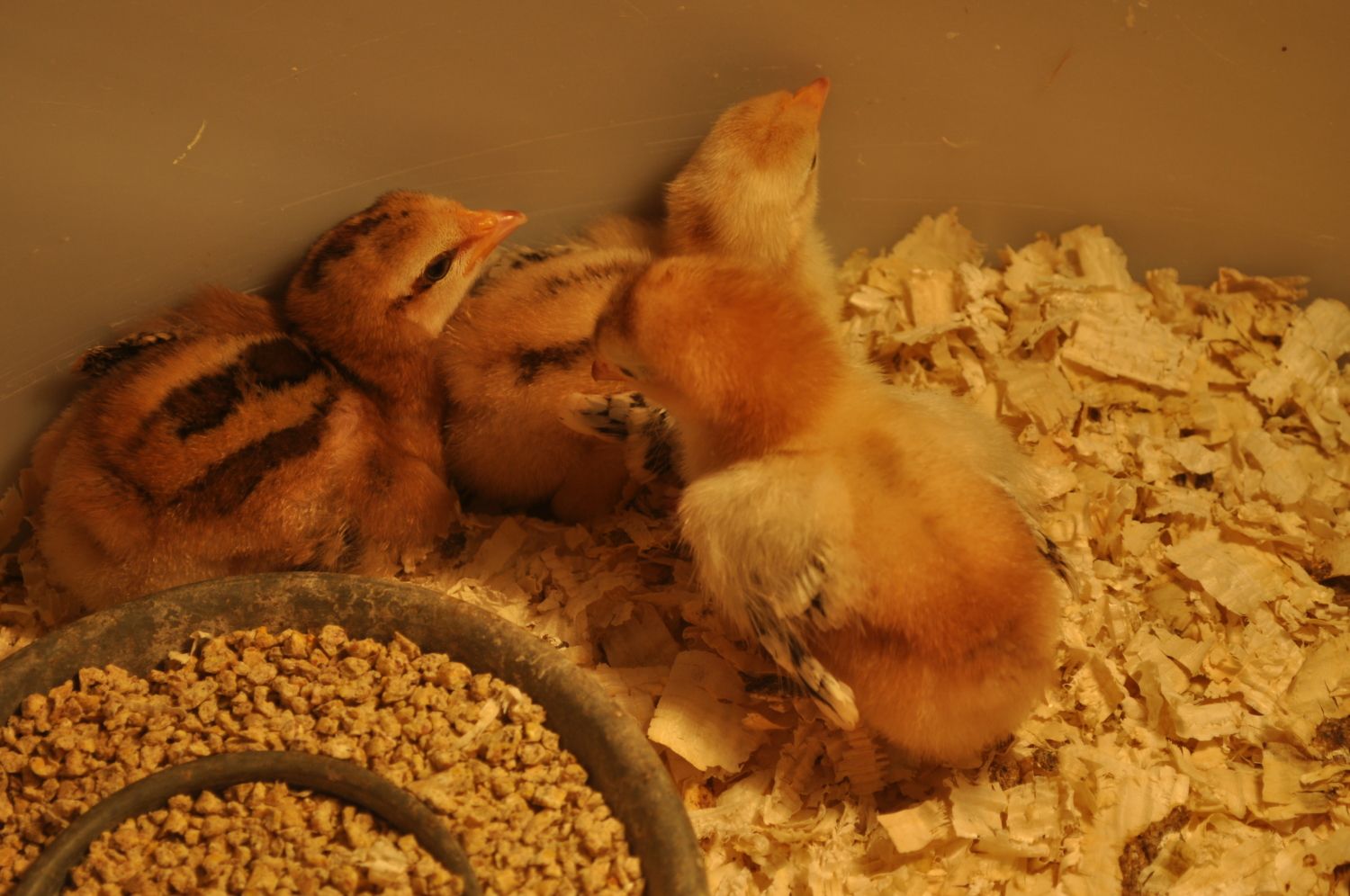
Are we still talking about Light Sussex? In Red Sussex, I think the term "light" in chicks refers to any chick not reddish brown or darker brown. See the chicks in the pics above which look kinda yellow? They're too "light". In Light Sussex, folk shouldn't be needing to cross Locuses to breed Speckled Sussex. There are plenty of eWh varieties out there to do the job. Crossing Silver (Birchen) and Light (eWh) is just asking for years of culling issues. Cross the Reds and the Speckleds (both eWh) to improve both varieties. I haven't seen the "black checking" you're referring to, but suspect you mean black peppering showing up in the white parts of chicks from Silver/Light union? I can't answer that because I have never studied it. Perhaps ask the British Sussex Poultry Club. However, it seems to me a reasonable educated guess since the Silver Sussex is basically a Black bird with silver markings and we know that breeding two Light Sussex together with too much black in them can result in black peppering on the white parts of the birds. Undercolor also has a noted effect on top color. Further study might reveal that the undercolor on the Silver Sussex might be effecting the top color of chicks from a Silver/Light union.
Do you get or need two copies or one of eWH like a sex linked trait and what are your color pattern results?
See above. eWh isn't a trait, it's a Locus. The canvas upon which one paints with plumage color. One doesn't obtain it, one starts with it. One can also corrupt eWh by mixing eWh with another Locus which makes it harder to get the correct colors when one starts to paint on ithe resulting canvas.
Silver vs. Light and what that means for SS? What would the cross look like?
See above.
Is this a reccessive trait?
Is eWh a recessive trait? No, it is a Locus, not a trait. . We should be starting out with pure eWh in Light Sussex. If not, then one needs to judiciously cull for it because the colors will never been painted on the canvas correctly until it is pure eWh.
Best,
Karen