that's right. . The average ratio is 50/50. That doesnt mean you'll get that every time. It's just an average to expect from the genes you have in that pairing.
Thing is from what this man was saying, the color he was getting from the pairs shouldnt have been possible.
But yes blue to black can hatch a clutch of all one or the other. Just depends on where the blue gene goes. A blue bird only has 1 copy of the blue gene, so it only goes to 50% of it's offspring. Some times none will get it, other times all will get it, but the average is 50-50. If you breed a lot off that pairing though, you'll find they come out to be pretty close to the average ratio over a full season of hatching.
now on a splash, it has 2 copies of blue in it. So every chick it produces will have 1 copy of the blue gene. So when bred to black like this guy did, all chicks should be blue.
and yes Sonoran,
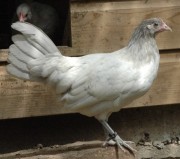
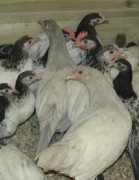
I have blue d'anvers that from a pic everyone swears are black, but they arent, they are like you were saying, very very dark blues with a shine to the hackles and saddles. But they still have the duller main body color. Same on my dun quail. Untrained eyes cant tell they have the dun gene in them, but to those who know what to look at, it's obvious.
That's just how those two colors work, various shades, and such, but they are what they are genotypically speaking
Champ Sumatra
here's the blue breeding average ratios. Works the same on dun, just change blue and splash to dun and khaki
black to blue= 50% each
black to splash= 100% blue
blue to blue = 50% blue and 25% each black and splash
blue to splash =50% each
splash to splash= 100% splash