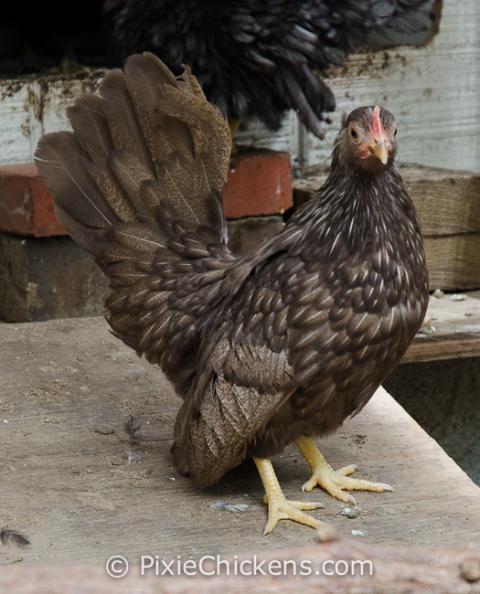
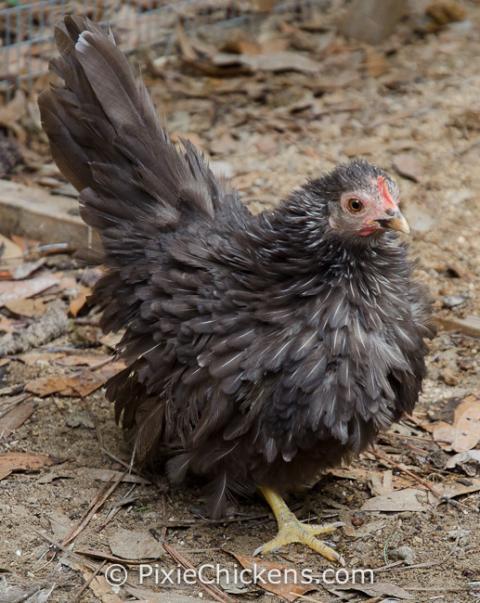
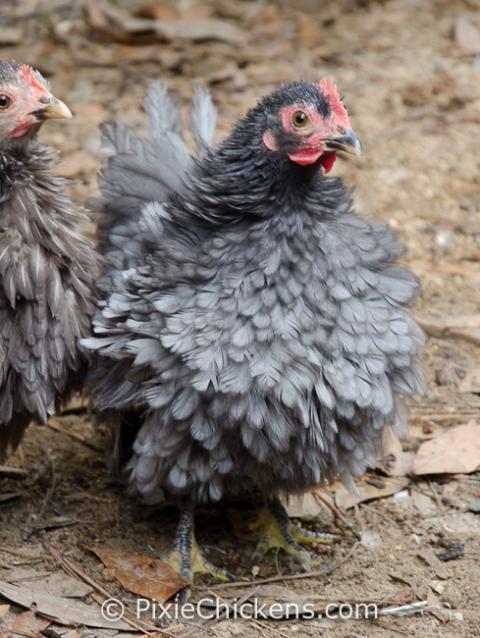
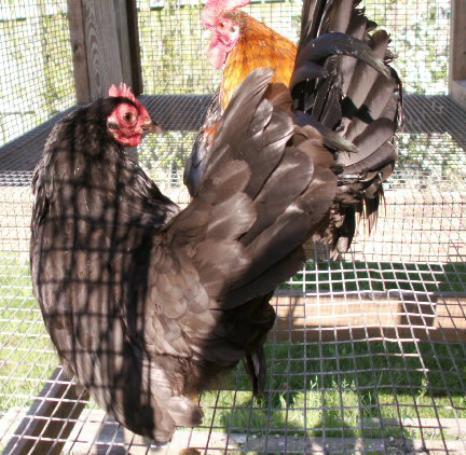
I started this thread to help breeders, including myself, learn more about the colors and the genetics behind them. I don't think anyone needs to know a lot about genetics to understand how to breed for sex linked chocolate (true chocolate color and not look a-likes). The Serama can be a bit more confusing with all of the color and pattern genes but that's why we're here, to learn.
I think it should be noted and remembered that there can be other combinations of colors and patterns that will mimic chocolate that are not chocolate and cannot be bred to produce chocolate. They're just as beautiful but may be impossible to reproduce when you can't tell what genes are there to make what you're seeing. Also, before paying for a chocolate, I think a breeder should educate themselves so they can make the best choices and not buy one based only on what they look like without knowing that there are some real chocolate genes there. If the reason they're buying is to breed and produce more of the same color, it can be quite disappointing and costly so buyers need to know what they want and at least a little bit about the color gene and sellers should be doing the best they can to make sure they know what they have before offering it for sale so everyone is satisfied.
There are some rules that have been listed here for how the chocolate gene works. Something to note is that chocolate dilutes black so if a Serama has any black feathers, they cannot be chocolate. Just looking chocolate does not make one chocolate. I've seen several that I would not consider chocolate at all but if they were bred and produced chocolate and followed the rules of how the chocolate gene worked, I would believe it. I do feel Chocolate can look different, there are many other colors and patterns that would change the way chocolate appears "BUT" if it doesn't produce as a chocolate should, it's not chocolate.
I think every individual has to decide if they're okay with a chocolate looking Serama or if they want a genetically true chocolate Serama. Personally, I love surprises but if I want something, I want the real thing so when I ever get to hatching chicks from my hen that I believe is chocolate, I'll still want to do some further breeding to prove it and I'll have a pictorial pedigree to document what I'm producing.
I would like this thread to be more than just photo's of Serama's with someone saying they look chocolate or there is chocolate in there somewhere. I'm a show-me type, I'd like to see parents and grandparents if possible and details about the breedings to illustrate they are following the rules of the chocolate gene. I think this is the only way we're going to learn how it all works and learn to determine which are true chocolates and which look chocolate but are not.
I understand that it's not the end of the world whether or not a Serama is really chocolate or not but if I want a true chocolate Serama, that's what I expect when I buy or produce one myself and this is in no way knocking anyones Serama, type before color! but lets work on learning to identify which are which. Juliette is a perfect example of hard work paying off with Serama's that are truly chocolate and breed correctly for chocolate. Dun and combinations which look dun or chocolate should be studied as well as these colors are as gorgeous as any but to reproduce them, you have to understand what combination of colors are present to even begin to produce more.