Other then color at hatch or waiting to see if all their offspring are barred or not, if you don't know the parentage is there any way to know if they are pure for barring or not?
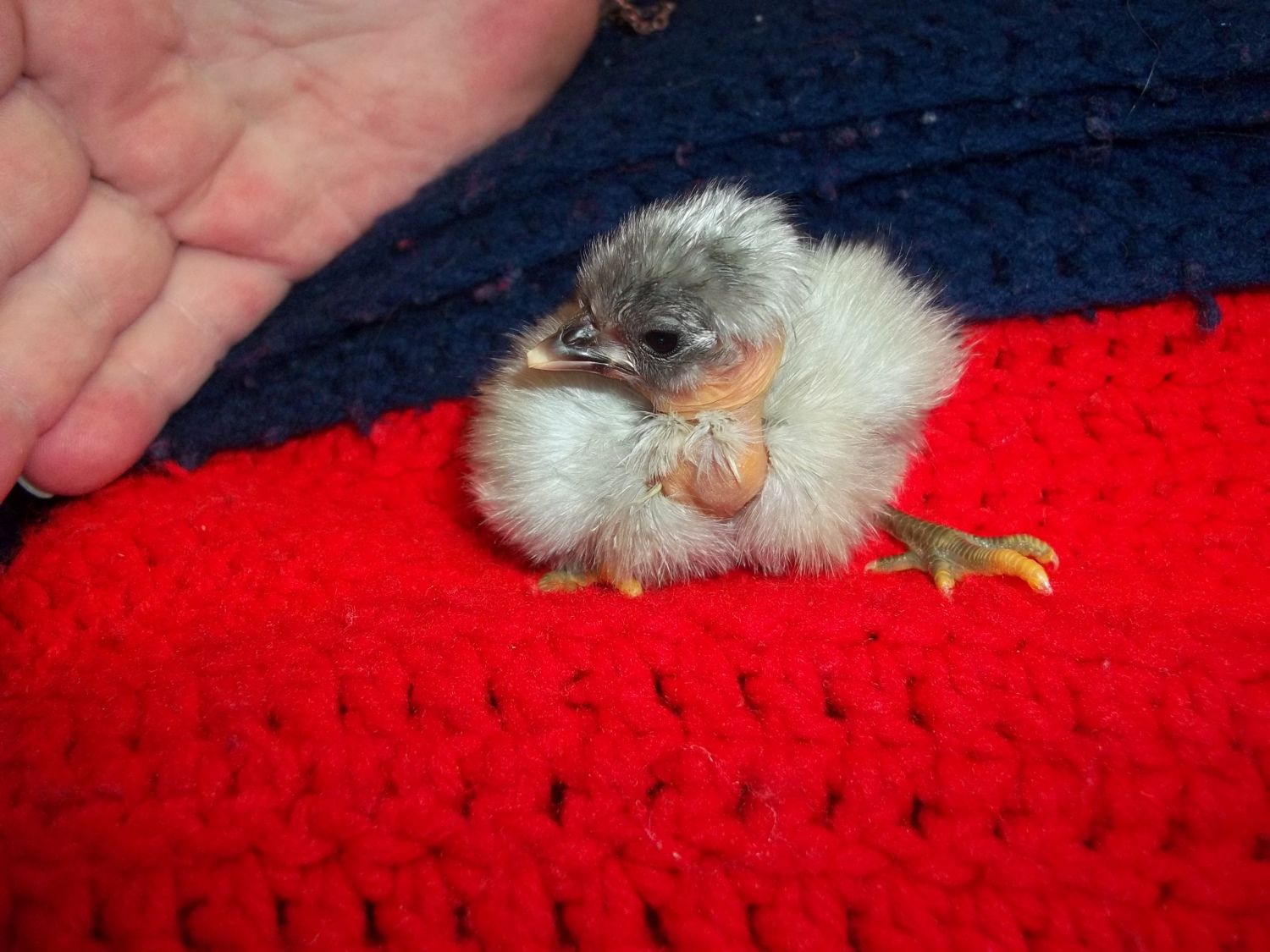
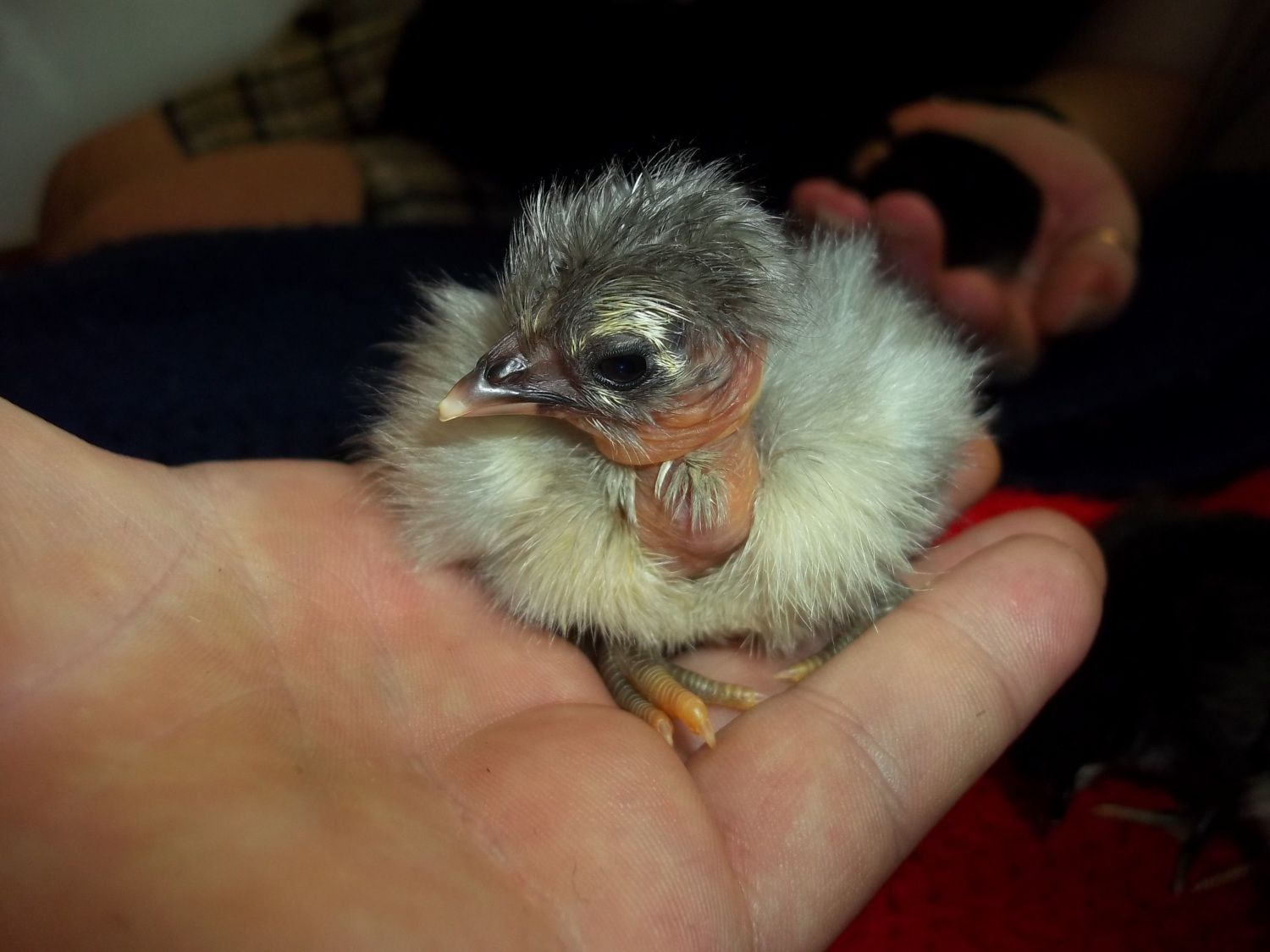
Sometimes you can tell even before the chick dries off, other times it's not easy. It depends on what "color" they are- the signs of barring are clearest and easiest to see on a black chicken. On black chicks, the white spot is much bigger and often irregularly shaped on pure barred boys vs smaller with more circular shaped on not pures.. but that's not a hard rule. For reasons I don't know, in some lines or breeds the difference is extremely obvious like on cuckoo marans- the pure males are grey colored with tons of white, some even have parallel stripes of white on back. Most barred rocks aren't that obvious, so you have to compare chicks in the same bloodline for best results.
It's just about impossible to see on wheaten based chicks- light cream down...
Pure barred roosters have visibly more white than not pure roosters, the white bars are wider and look 'whiter' as a result. Many not pure roosters have a few random solid black feathers on their body, this is much less common on pure barred boys.
There are some genes that can make a not pure barred rooster seem light as a pure, such as mottle, if they have really fast feather growth, the bars will be less perfect and "smudge" into the black making them look grey/white barred(which can look pretty light).
If you have female siblings to barred rooster in question, that can help. If he's much lighter then he might be pure barred but if he's as 'dark' as the hens, chances are very high he's not pure barred.
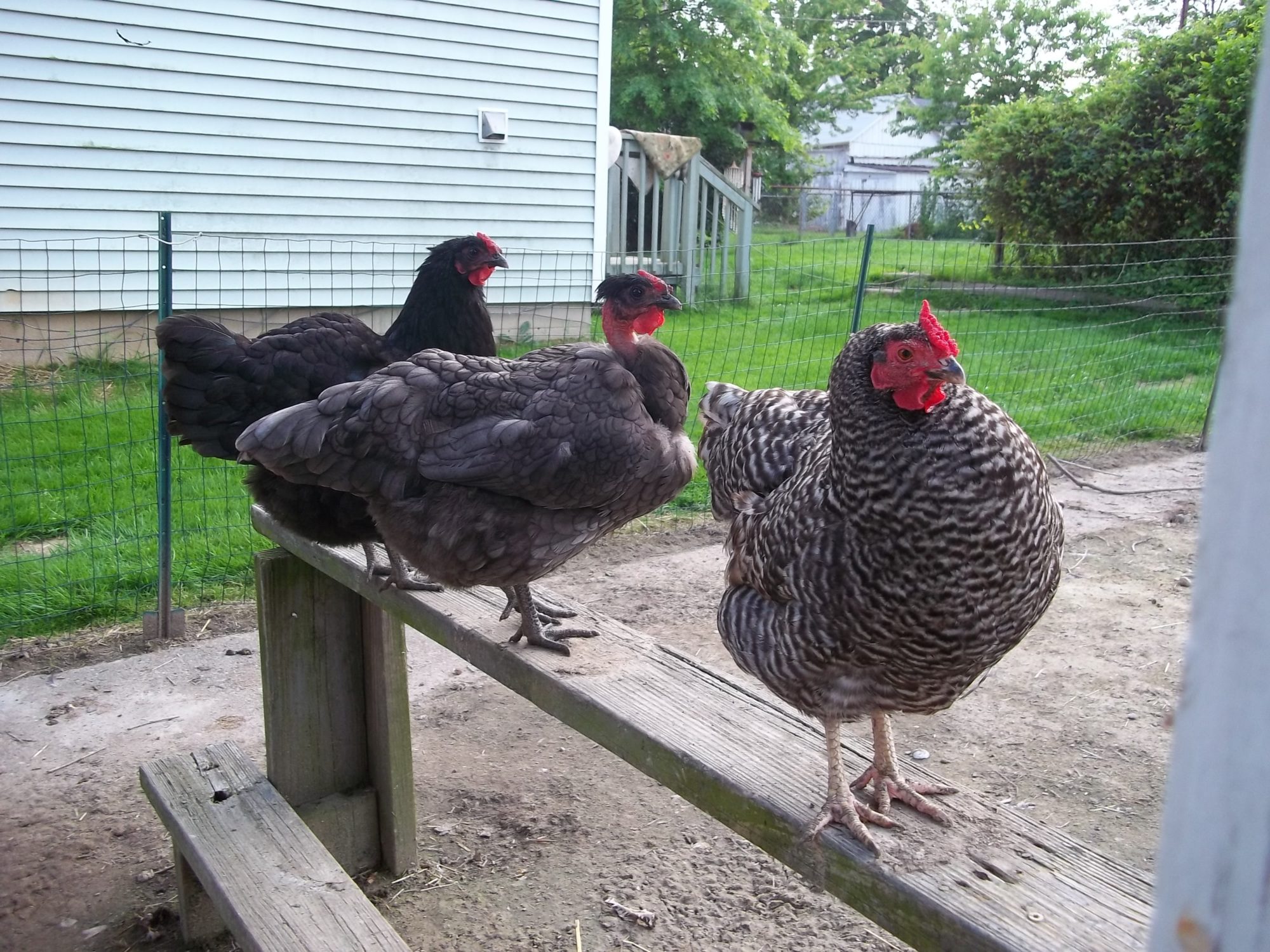
One other trait that sometimes helps- usually pure barred rooster have very clear yellow or white legs, hens and not pure barred boys have more speckling or coloring other than yellow/white- such as black flecks, or blue/green wash over the legs. The barring gene also prevents pigmentation in a layer of skin in the legs & has the same dose effect- that is why so many BR hens have speckly legs while roosters tend to have very clear legs.
Some other colors and patterns can interfere with barring, such as blue or red/buff. It's harder to get clear, distinct barring on these but then sometimes barring added to buff chickens can lighten the buff to a nice "golden" color...
Last edited:


 I called the state poultry vet, and he didn't know. He said he would research it and get back to me if he came across anything.
 I guess I should stop worrying all the time, since it seems like chickens will forever have something that could pop up. Hard not to fret though. I am not this worried when it comes to my children....I guess it is because they can tell me when something is wrong.