If he's had a complete bill of health (and a fecal to check for worms...general de-wormers do not cover all parasites!), then I would consider feeding him a
high energy/performance food . That way he can just eat a little and get the same amount of calories. Stop feeding him all the special treats, and only give him dog food. It's okay to mix in a little dog gravy or canned food to coat the dry food, but stick to
dog food only . he might take a few days to come around, but he will. I heard about a dog whose owner was giving him chicken broth and milk to drink, and the dog outright refused to drink water. When taken away for treatment and kenneled, it took the dog a couple days to finally drink water on his own (he was force fed water as well). This was more dangerous because we can't go very long without water, but can go for a week w/o food easy.
Some dogs, especially highly active ones, are naturally skinny. Everyone has met a person who eats like crazy but drives everyone else nuts because they stay tiny and thin!
Dogs have individuals like that too.
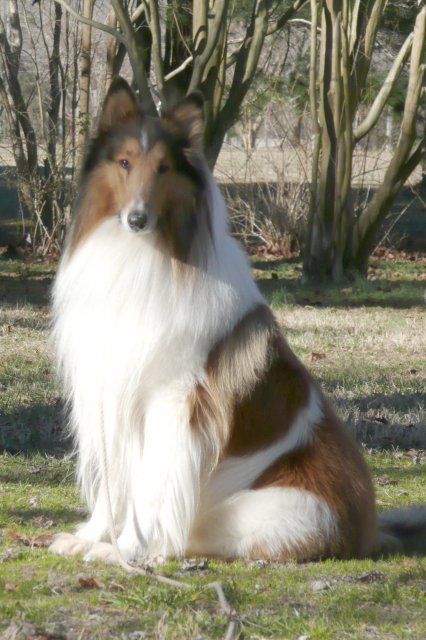
The gene that causes dogs to not be able to process invermectin and other drugs is called the MDR1 gene. Heartgard is 100% SAFE for a mutant postive dog. It is a very tiny dose. All other treatments of invermectin (worming, treatment for demodex, heartworm, etc.) should not be given to a collie breed unless they have been tested for MDR1. "White feet, don't treat!" Testing is done through WSU, you send a cheek swab in. I have two aussies, one is negative for the gene and the other is mutant/normal. I got them tested in case anything ever happens, PLUS a postive mutant makes them sensitive to other drugs, like acepromizine which is commonly used as a pre-med before anesthesia or to lightly sedate a naughty dog