Thursday 5th of February 7a.m. Sunny and clear. 18.5 / 22.2kph W, Hg 60%, 24.2C / 72.3F headed for 32C / 90F. Partly cloudy. Slight chance of a shower. The chance of a thunderstorm during this afternoon and early evening. Winds northwesterly 15 to 20 km/h shifting southerly 20 to 30 km/h in the morning.
Moon is 86%
Fears SA's endangered glossy black-cockatoo eggs will 'cook' in nesting boxes during heatwave
1 hour 41 mins ago
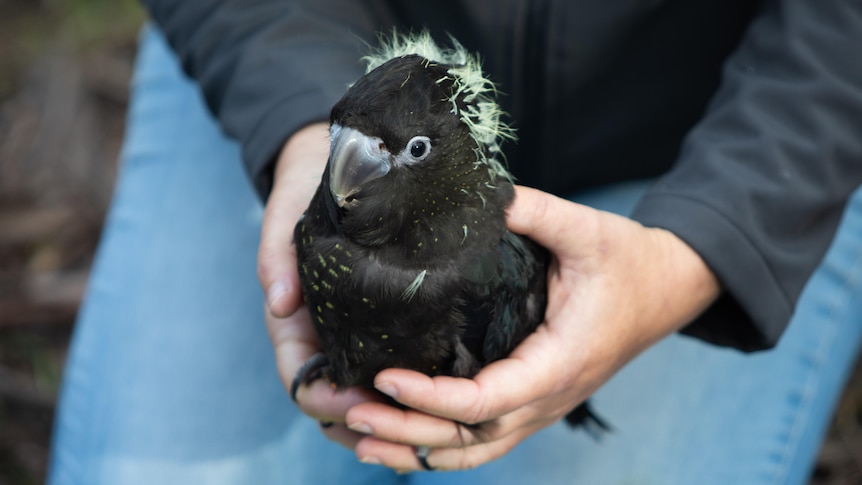
A glossy black-cockatoo census in October 2025 found 446 birds across Kangaroo Island. (ABC South East SA: Caroline Horn)
Kangaroo Island's unique and endangered glossy black-cockatoo population is holding steady, but insulated nest boxes may be needed to prevent their eggs from "cooking" during increasing numbers of hot summer days.
A recent census of glossy numbers found 446 birds were living on the picturesque island off the South Australian coastline.
Kangaroo Island Landscape Board Biodiversity Unit manager Karleah Berris said this number was similar to those found in the years since the bushfires of 2019/2020.
It also found that many of the island's male glossy black-cockatoos might be doomed to being lifelong bachelors, with 1.5 born for every female chick.
"It's a pretty significant gender imbalance," Dr Berris said.
"It also means there is no such thing as a single female glossy black-cockatoo. They absolutely have the pick of the bunch."
The beautiful and noisy glossies on Kangaroo Island are a separate subspecies from their cousins in the eastern states and have evolved a wide and broader beak to suit feeding from the seeds of the drooping she-oak.
Dr Berris said that stability after the fires was "a huge win", considering how much of the birds' habitat had been lost on the western side of the island.
Reliance on artificial nesting boxes
Following work being done after the fires of six years ago, the birds have adapted to using the many nest boxes placed by the landscape board across the island.
So much so, 80 per cent of all breeding pairs on the island now use them to raise their nestlings.
But there are concerns that the ongoing use of these boxes may become problematic.
"Glossies start breeding late January. So they're breeding at a terrible time for cooking eggs," Dr Berris said.
"The last few years, we've had these really hot summers like what we're going through right now. We have been a bit worried about whether we're creating an issue for the future."
Insulated nest boxes are now in the planning stages.
-------------------
Doh! What a pack of dummies.