I don't know how long you've been raising chickens, so I'm just going to put this 'out there'... are you sure it's coccidiosis? Have you had a fecal float test performed to determine if it's worms, this can be performed by any vet if you take the fresh sample in to them? This test will enable you to treat the specific type of parasite, without guessing which medicine will be required to treat it. Are you certain it's not cecal poop (where they shed the lining of their intestinal tract a few times weekly)? Are you able to post some images of their poop? Are there other symptoms besides the poop? Listlessness, droopy posture especially of the wings, frequently 'sleeping' (often while standing) during hours when they should be up and about scratching for a bugs, profound weight loss? Coccidia are present in the soil globally and there are several strains. If these chicks were exposed to one strain in one location and treated... and then moved (say to your place) and exposed to another strain, you could get back-to-back outbreaks in young chicks. It takes time for them to grow resistant to the organism, and even as adults, it can rear it's ugly head if there are other health issues in a bird or your flock.
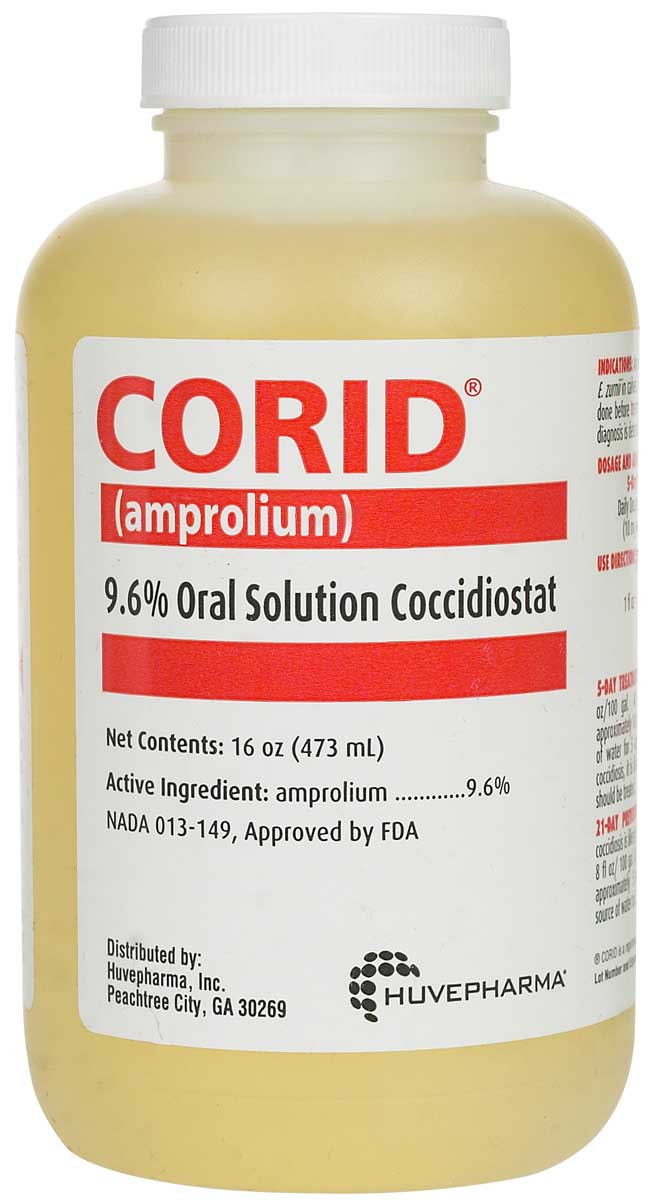
Since there are many strains of coccidia, I wouldn't jump to the conclusion that the medicine is 'off'. These chicks will need to be supplemented with vitamins (particularly B-vitamins) after a full course of coccidiosis treatment as the amprolium (generic name) tricks coccidia into thinking that it is B-vitamins (food for coccidia) and thus starves the parasite to death. Your chicks also need B-vitamins to thrive, so after their full course of treatment, they need at least a week on vitamin enriched water.
Link is for images of chicken poop, what's normal, what's not... included is an image of cecal poop.
https://the-chicken-chick.com/whats-scoop-on-chicken-poop-digestive/
I know I threw a lot of questions out there and things for you to think about, on several of these ideas, but I did this in the interest of saving time. Chicks require immediate attention when sick as they tend to start dying off by the time you realize you have a problem, and as you've stated, you've been battling this for some time now. That you haven't mentioned any dying chicks tells me that there's hope of recovery for them.
Keeping you and your feathered family in my prayers.





 BYC's 52-week Photography Challenge. Week 10: (Mar 9 - Mar 15, 2026) Theme: Get Low!


