Good question Camelot,
I am on the side of self reliant and hardy chickens, but understand the other side,
one of the really unique things about the Icelandic is that it survived and evolved to its present state in a very harsh unforgiving climate under stringent conditions.
Iceland for hundreds of years didnot raise enough grain so ruminants and horses developed that would live mostly on grass and hay, chickens could range in the warm season on pastures , but winters were kitchen scraps and the manure piles.
Thats why the smaller size, a survival trait, there was only feed for small chickens.
Many other things about them fascinate me, I have read about them and other Icelandic livestock since I started reading the Icelandic Sagas, incredibly interesting, sagas but also history, and the livestock of Iceland is living history.
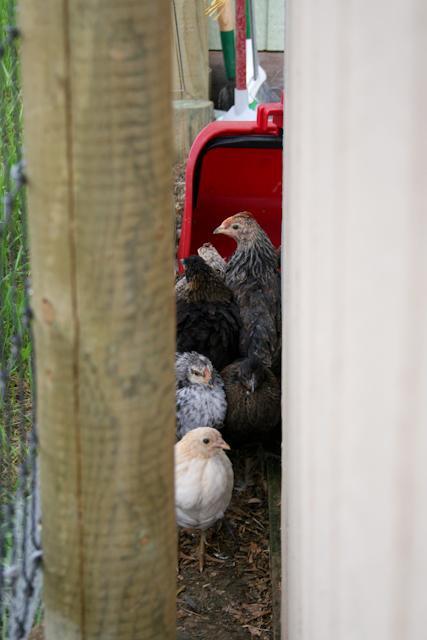
So, I am most interested in naturally produced chicks, soon as I get some hens to be broody, I want to see how they will do free ranging here in MI , and how they will do in our winters, I am expecting that they will do great, but want to see it happen. I will have my incubators, for when there arnt enough hens being broody.
I am going to keep track of how many eggs they produce, when they slow down and when it picks up, I am curious if the longer days here will mean a lot as to beginning the breeding season, I want to see their growth rates under our conditions here, so much to learn about them, I know how many of OUR American Heritage breeds do, now I want to see how this one does, it is for sure a Heritage breed of the stictest interpretation of that.
And the genetics are a whole other topic, for pages and pages, so much about these little halo-raptors to learn about.
Did I say its going to be a fascinating year ??