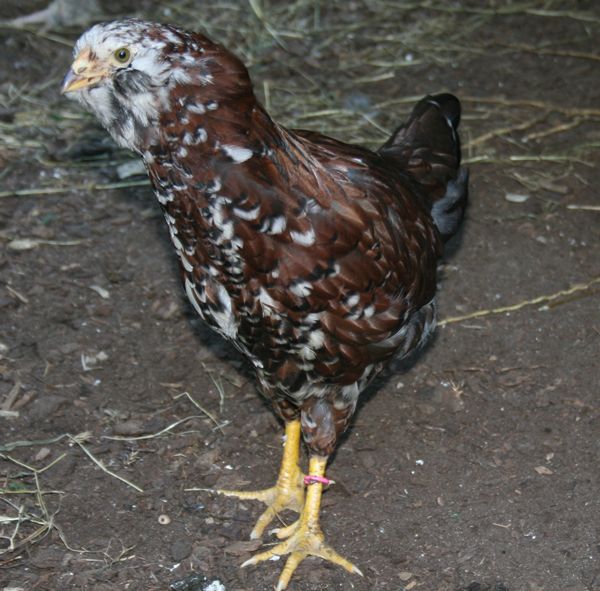
I'm drooling over here! Lol. They are beautiful. Since I'm just starting my breeding program, would you mind if I picked your brain every once in awhile?
I'm far from an expert happyhens, but I'd be happy to answer any questions that I can. What little I know I've learned from trial and error over the past few years. I am still learning more every single day.
Really lovely birds, I will have to get some from you once you're ready to sell some!
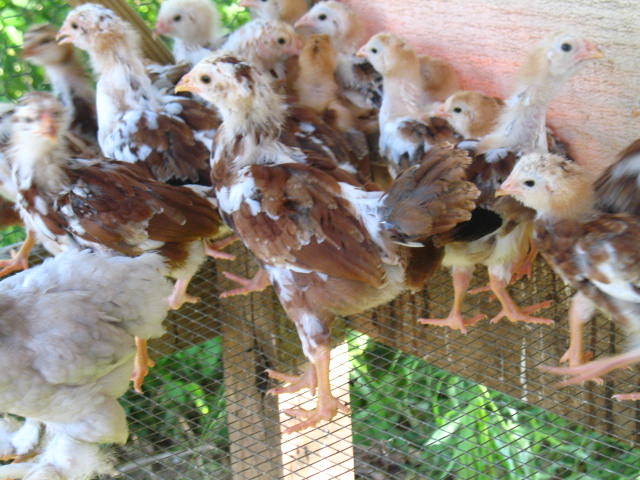
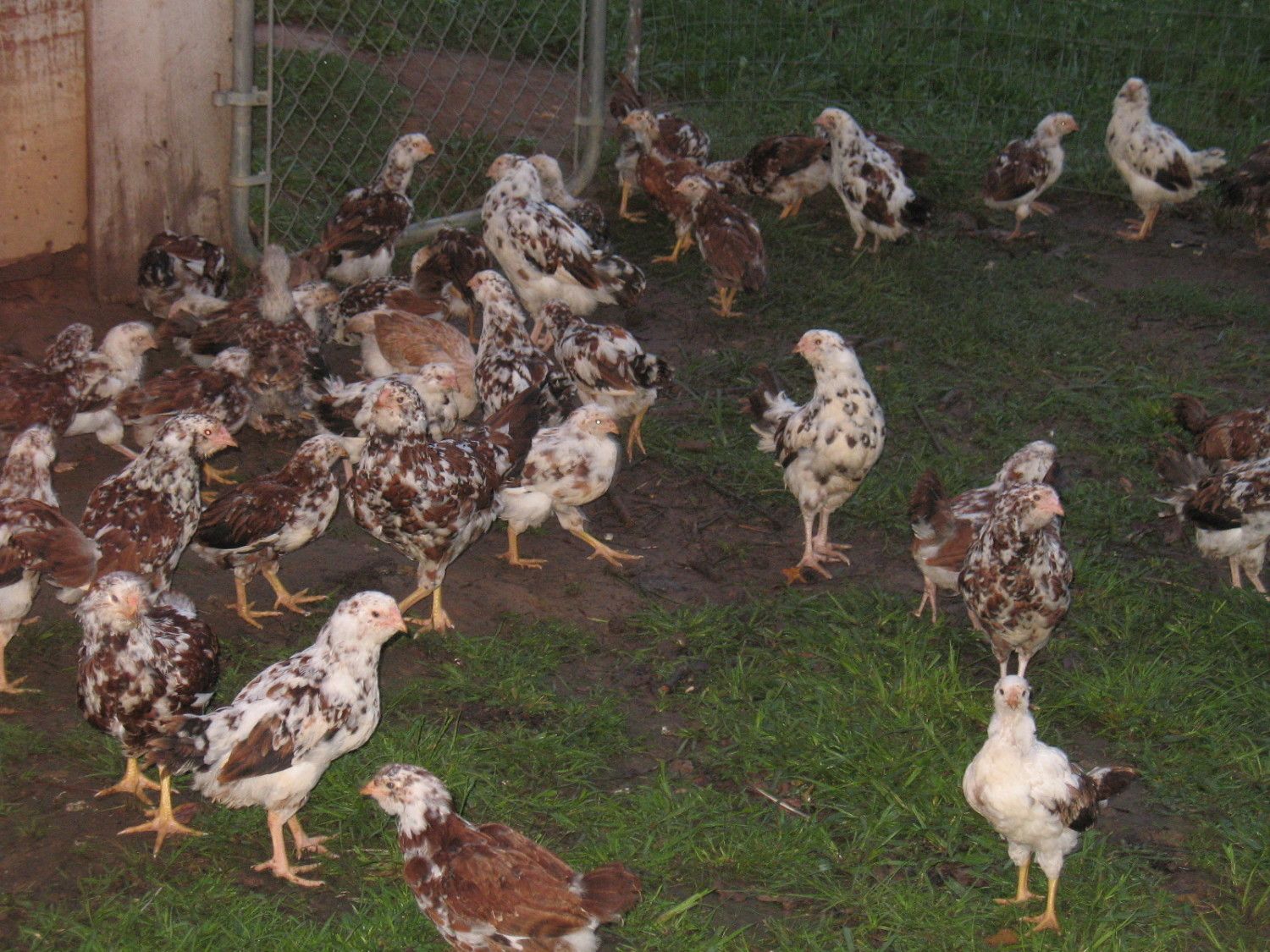
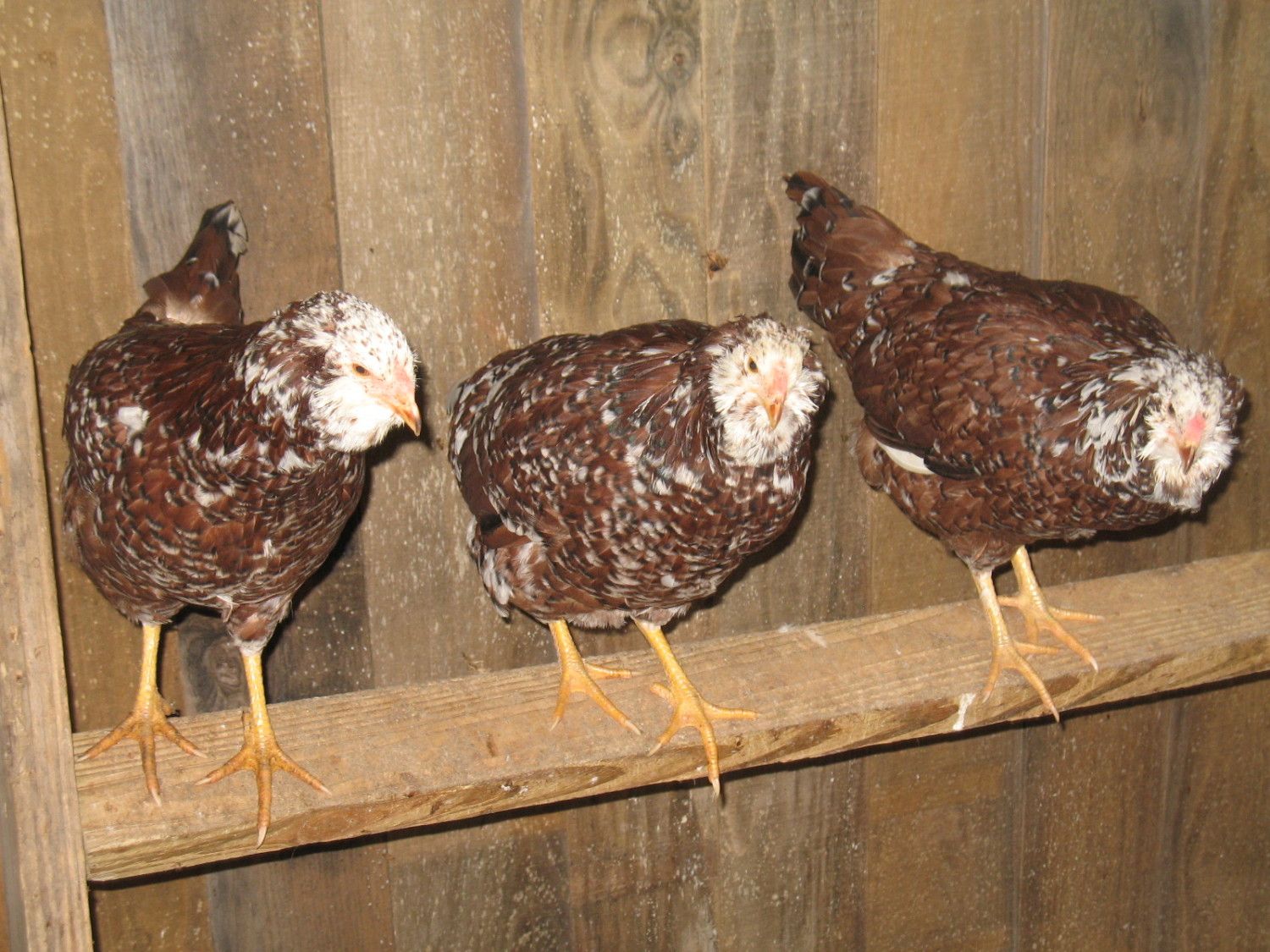
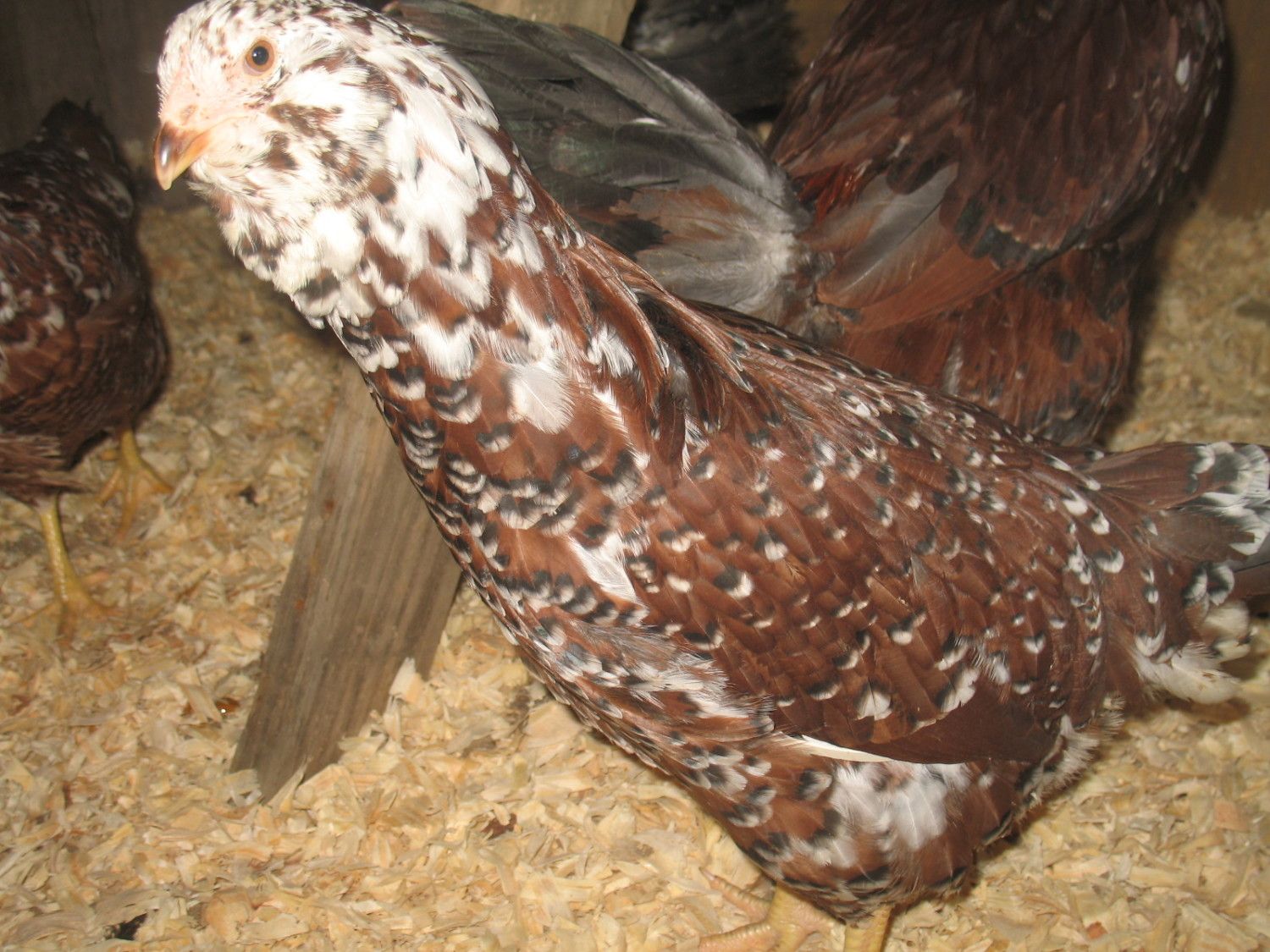
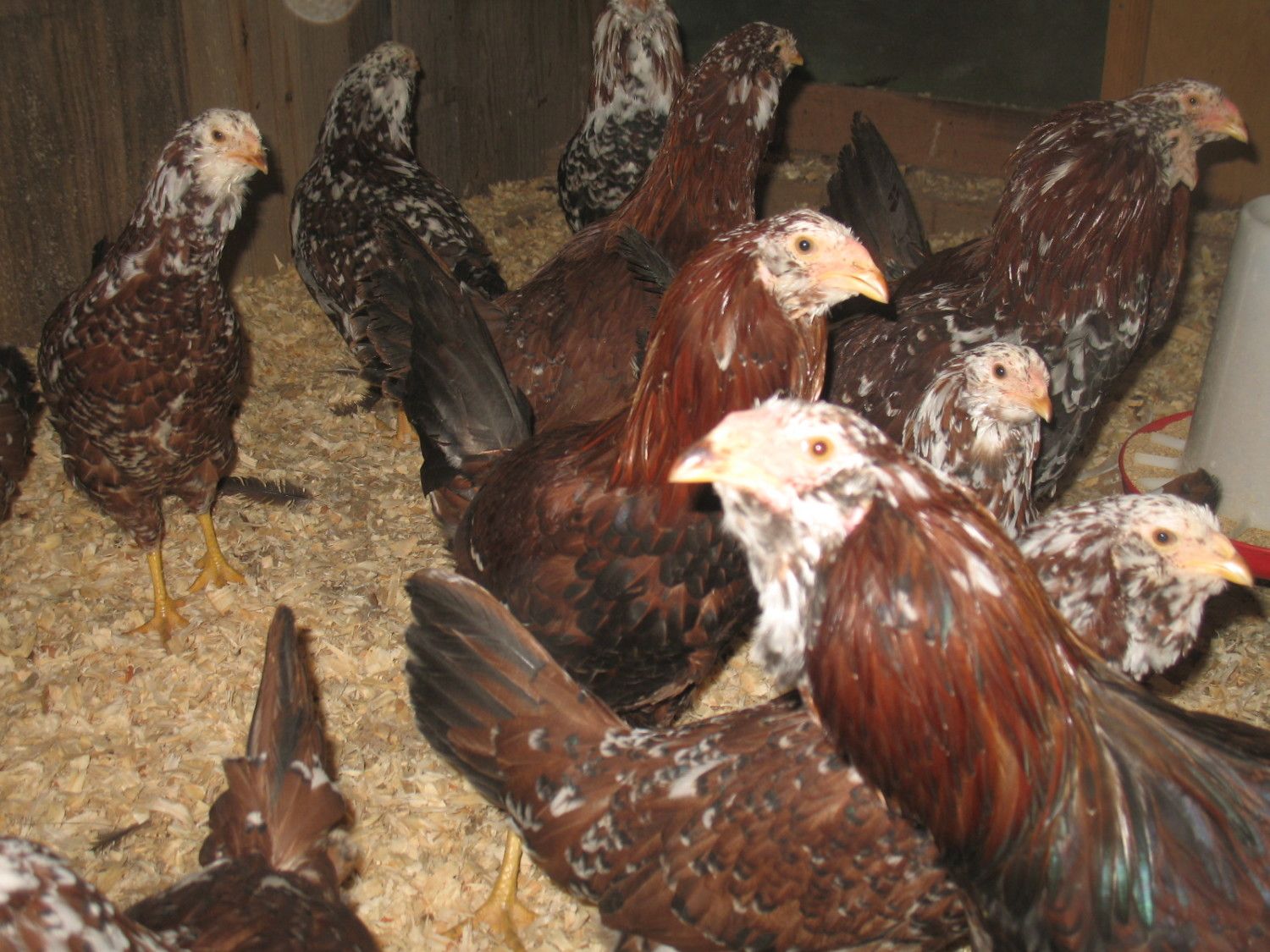
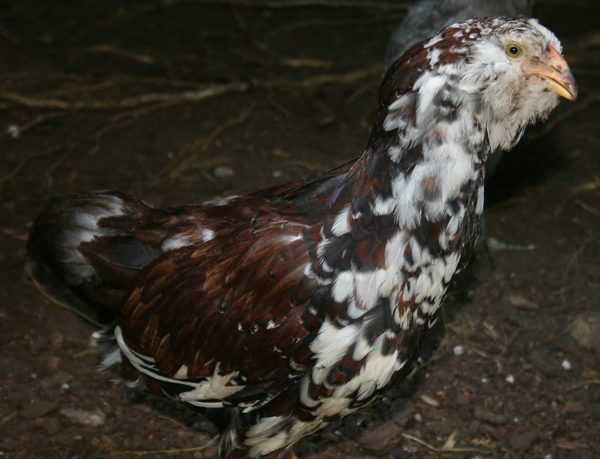
I have a question - I see a lot of the chicks with lots of white. Do the ones with too much white as chicks have too much white as adults...or I guess the question is, is there a link between the amount of white as chicks vs. their final color, or is it a complete surprise til they molt into their adult coloration?
I have a cockerel who has too much white, but he is only 12 weeks old and I am wondering if some will go away as he gets older. He's been very slow to feather in - at 10 weeks, down the middle of his back was still pretty much bald, so I switched to a feed with higher protein and he is finally feathering up.
To my inexperienced eye I like how he looks...very tall and gamey and it seems like in my birds more will have too little spangling than too much so maybe it will work out.
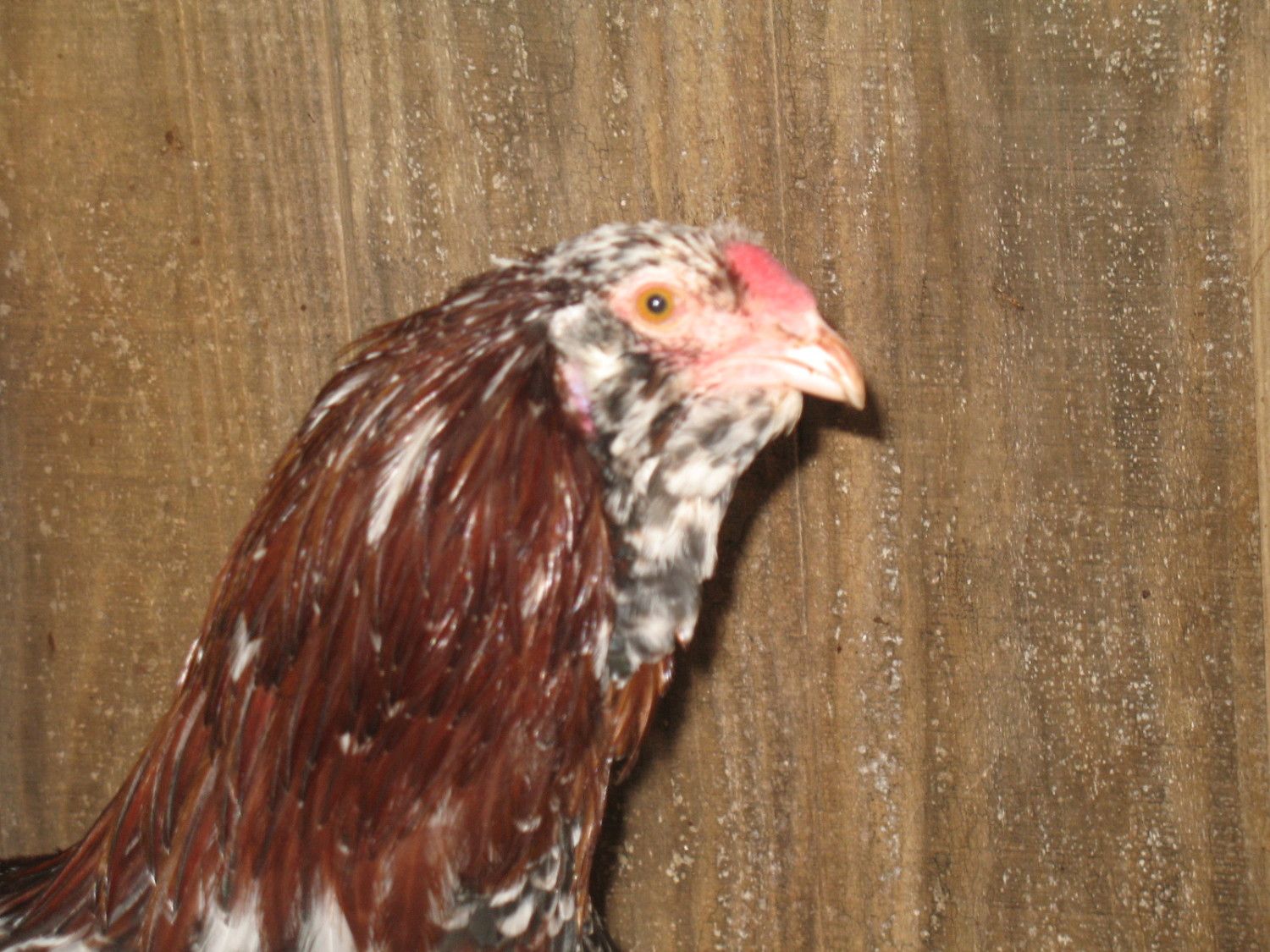
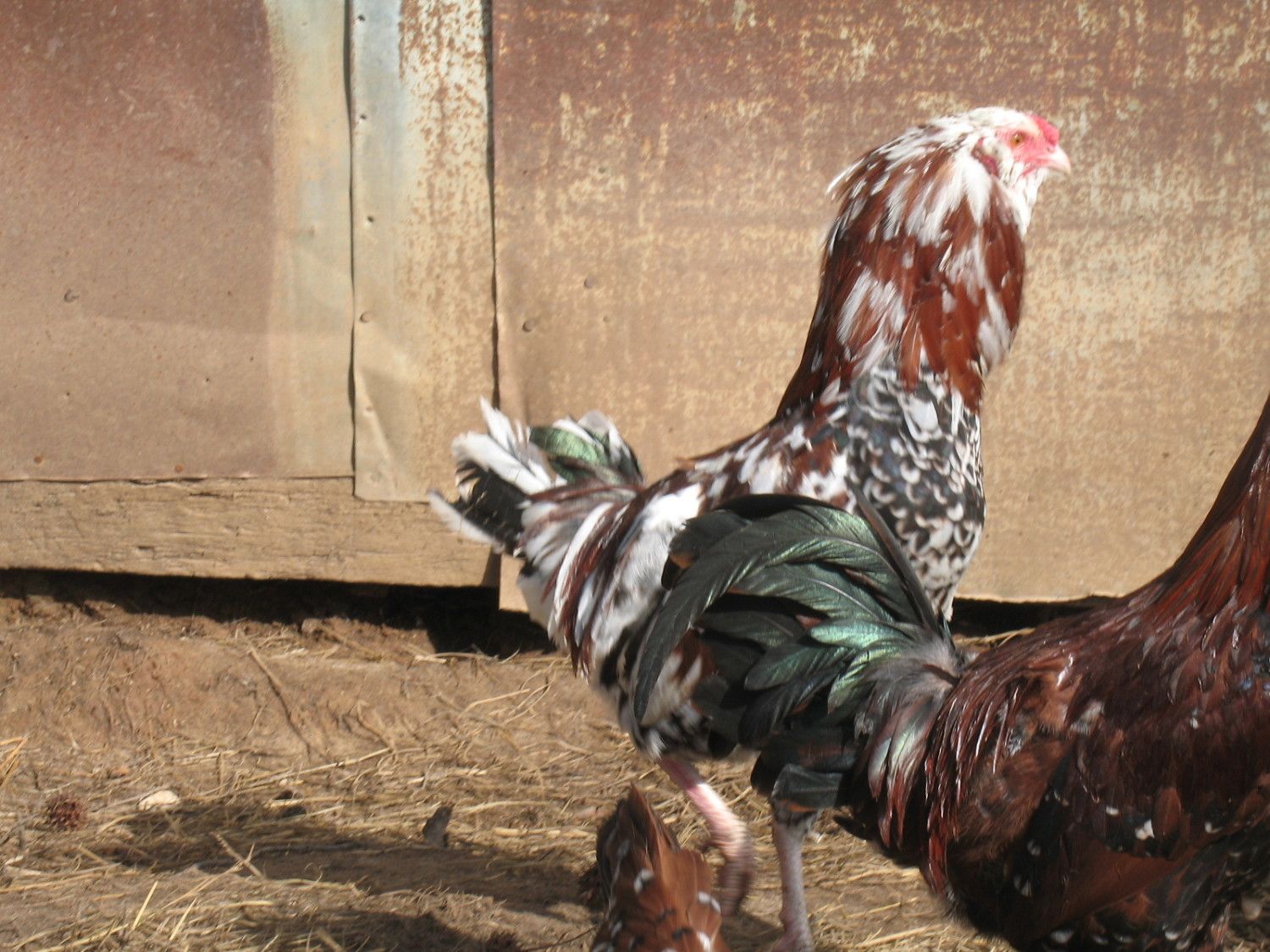
Kahlua, The chick / juvenile color is the most aggravating thing I deal with. This is the first year I've tracked chick color, so until spring I won't be 100% sure of the results. This spring we toe punched our matings but put colored bands on the chicks regardless of matings by day old chick coloration. Example; the chipmunks got a blue band, dark chicks a green band, light chicks got orange... etc... So far, it seems the "chipmunk" stripped chicks grow out having less white as juveniles and have better dark mahogany coloration as adults. The lighter chicks are all over the place as juveniles, but have better spangling at maturity. The darker chicks run to mahogany with very little spangling when grown. But in my experience, neither chick color nor juvenile color has any real bearing on adult coloration.
I have had near solid white birds molt into adult coloration and have almost no spangling and excellent mahogany coloration. I've had good colored juveniles molt to having several solid white feathers and dark beards.
Now, I can only speak for myself, my birds and my strain. Other breeders might have totally different results. But here, I never cull for feather color until at least a year old in roosters, pullets I can cull just a bit earlier. I personally would hold on to your cockerel if you see something there you like, otherwise you might make the same mistake I made when I started out. I gave a few (well, about 50 head
) that had too much white in the plumage to a friend of mine in Alabama a couple of years ago. The following year I saw one of those cockerels after the adult molt and it was the most perfect colored rooster I'd seen. I got in too big of a hurry to cull and I paid the price.
I have noticed that if you want decent spangling on adult roosters that the juvenile cockerels with a bit too much white have good adult spangles and the cockerels that are nice colored as juveniles will tend to be too dark with almost no spangling as adults. Pullets are more forgiving in my opinion. Also I've notice roosters after they are several years old look much the same as they did as one year old's. Pullets spangling actually improves each year for the first four or five years, then after that, the mahogany tends to start getting lighter and a bit smutty.
I am a heavy culler. I cull straight from the incubator for leg color, comb, toes, genetic defects, If I see right away it has no use to me as a breeder, I don't see any point in feeding it. I know a lot of folks find that practice cruel and heartless, but I raise thousands of birds a year on the farm. Obvious faults have no place in my flocks. But with Orloffs, again, just in my opinion... You just have to give them time.