Sure, I would be glad to explain the difference between Araucana and Ameraucanas. I have hatched and raised both as well as the Easter Egger and Olive Egger.
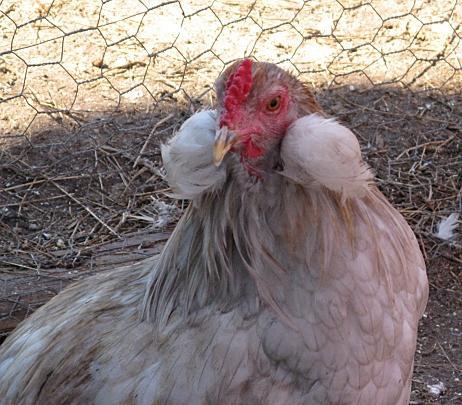
Ameraucanas have beards and muffs. Their faces have a lot of fluff going on around them. They always have tails and certain colors are accepted into the American Poultry Association. They always have a pea comb and are supposed to always lay a very blue egg. They never have feathered legs, never have straight combs and are not to ever lay a brown egg. Their legs are supposed to be a certain color to match the color of their feathering but that gets into too much detail for here.
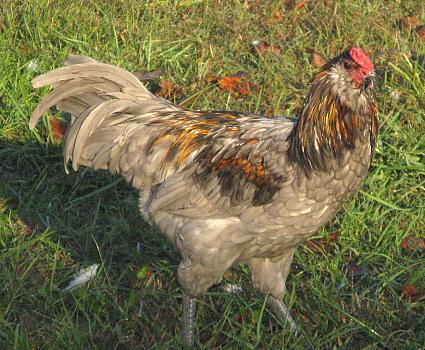
Here is one of my roos growing up now.
Araucanas are a rumpless chicken, meaning no tail. They lack the last vertebra in the spine. They are also supposed to have tufts (not to be confused with muffs) but some are clean faced because breeding 2 tufted birds together gives you a high mortality rate in the shell. They also have a pea comb but because so many breeders get frustrated with breeding rumpless to rumpless and do not get high fertility rates they often have introduced outside birds with tails and green eggs pop up. I have always bred rumpless to rumpless and sometimes tufted to tufted. These birds are also supposed to have willow colored legs unless they are black.
Here is a nice roo I sold last fall. This was a 3rd generation for me.
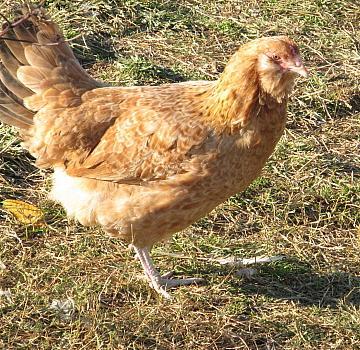
Easter Eggers are a product of mixing some other breed with Ameraucanas or Araucanas or mixing the feather colors together. They are called EEs because they can't be shown. They may or may not produce a blue egg but may give green, tan or brown. Some may also lay pink eggs but my Rocks lay pink so it isn't a specific of EEs. They may or may not have beards and muffs and very rarely would you find one with tufts. Hatcheries sell Easter Eggers, no matter what they tell you.
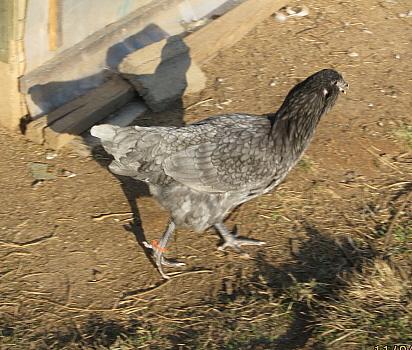
Olive Eggers are a product of crossing a blue egg layer with a dark brown egg layer. The outcome is a beautiful olive colored egg.
I am working on a page to go on my website right now to show the differences between these breeds. But the best way to learn is to go to the breed clubs and read the SOP.....Standard of Perfection written for that specific breed and accepted by the American Poultry Association. There are so many people that breed birds and call them a breed when they really aren't. I bred, hatched and sold a lot of Easter Eggers and never called them anything else. I could not in good conscience lie to someone about the breed. Before I breed something I research it and try to breed what I like and call it what it really is.