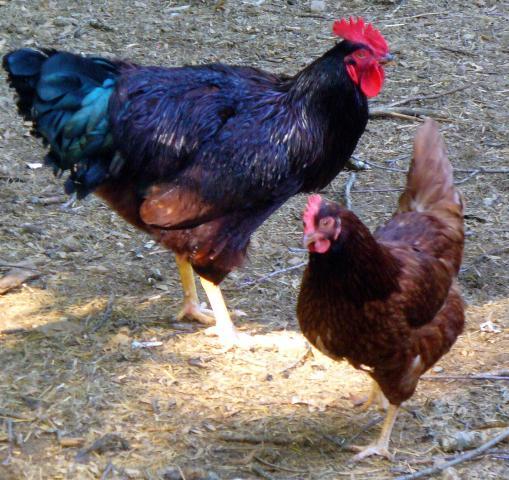
Here is a information about breeding Reds that might help the new comers.
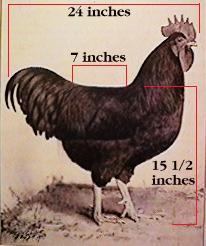
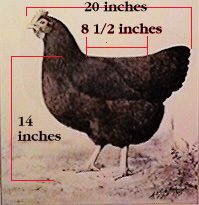
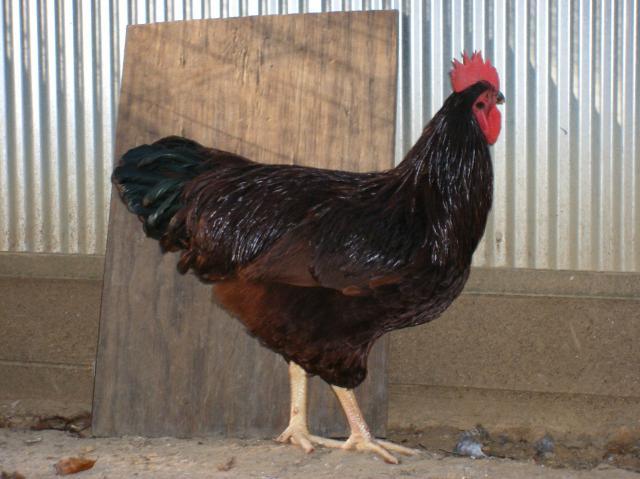
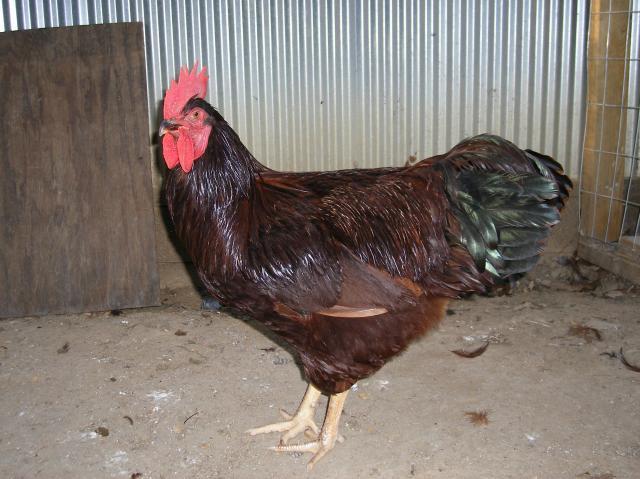
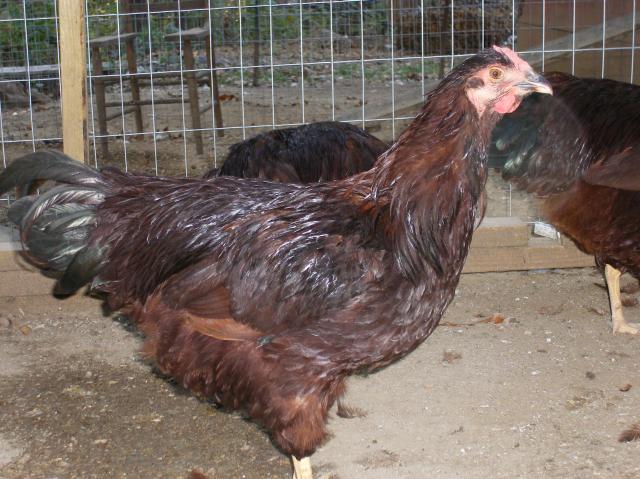
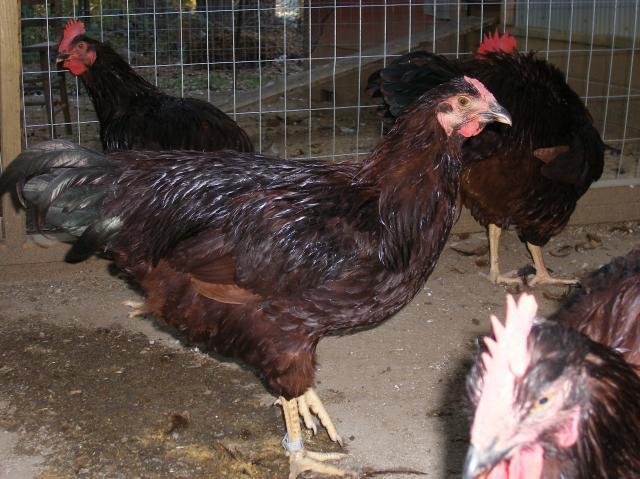
R.I. Reds should carry its body perfectly horizontal and should be long, approaching in shape when viewed from the side as nearly as possible to rectangle or Brick Shape. The line of back and keel should be both be level and parallel to one another. The base line of the wing should be parallel to the back and keel and the wing should never have a tendency to drop, as the is a defect. The back should not only be flat from front to rear, but should be flat side to side. There should be no tendency to slope from the backbone to the side, and show no indication of a ridge along the backbone. The breast must project outward in order to fill out the rectangular shape. If a line was dropped through the base of the beak it should just clear the front of the breast. The tail should be well spread and carried what would be considered low at 20* for males and 10* for females, and should not be drooping.
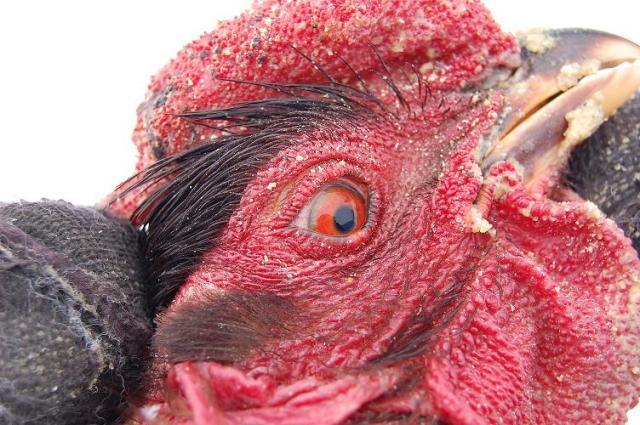
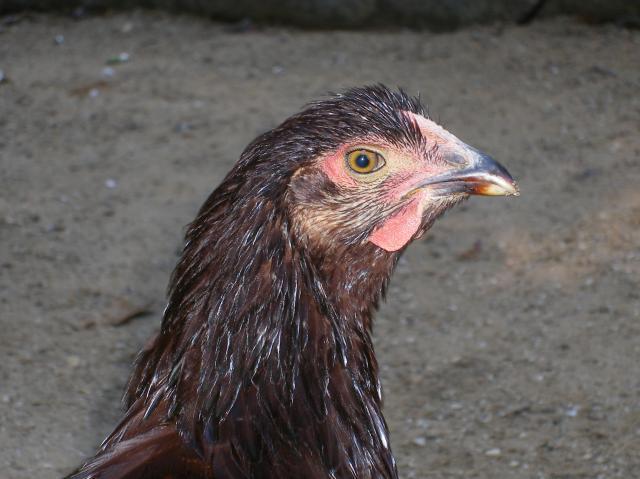
A red eye in R.I. Reds is very desirable in the breeders of both males and females.
However, a male good in other traits should not be discarded as a breeder if his eye is bright, healthy and on the bay order. A hens eye color will tend to fade with laying, and it is rather hard to find good eyes in a old hen. However, a hen has a bright, healthy bay color eye probably had a strong eye as a pullet and can be used as a breeder.
The beak on breeders should be reddish horn in color. A beak that is dark black and streaky is not desired and should be selected against.
Breeders should have red ear lobes and birds showing white in there ear lobes is not desired and should be selected against.
To avoid the double mating, do not use a the extremely dark males, as the females from them can often be poor in color and tending to be mottled.
The mating should consist of a rich color male with even shade in hackle, wing bows, back and saddle.
The females should be dark, rich and even in color. Hens color should also be lustrous, bright, alive and not a flat, dead color which shows as brown or chocolate color.
Birds of even color are especially desired as breeding stock. The females that are to be used in the mating should not show too much black in the hackles and wing. In fact, hens that are free from black ticking in the hackle and wings in which the black markings are faint are preferred as the males with dark black markings in the wing will give about the right amount of ticking in the pullets hackles. If the black is dark in both males and females then there is a tendency to produce black lacing in the hackles of the male offspring.
Chris