I have used tirchogramma wasps to control cut worm moths. I am currently using spinosad for mite and lice control.
Gardens alive had a once a month shipment program for the wasps(They do not sting and you do not see them). That worked out great too.
I also purchased green lace wing larvae to control aphids--that was 10 years ago and they are still in my yard! I have not had an aphid problem in years. Of course I do not use poison so the natural predators persist.
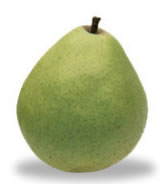
Okay, you all seem like folks who might know -- the house we just moved into has a pear tree in the side yard - it's a bit sad due to lack of maintenance allowing it to lose several branches to overburdening with weight from fruit, drought, etc but I think with some good care, pruning, etc we can bring it back fairly well. I don't know what kind of pear tree it is, though....this is the fruit it gives, does that help with ID or do I need a picture of the charlie brown pear tree too?
Okay, you all seem like folks who might know -- the house we just moved into has a pear tree in the side yard - it's a bit sad due to lack of maintenance allowing it to lose several branches to overburdening with weight from fruit, drought, etc but I think with some good care, pruning, etc we can bring it back fairly well. I don't know what kind of pear tree it is, though....this is the fruit it gives, does that help with ID or do I need a picture of the charlie brown pear tree too?
Anjou pears are thought to have originated in Belgium, and they are named after the Anjou region in France.
Commonly referred to by their French name, “d´ Anjou,” Anjou pears are the second-most recognizable pear variety in the United States. It’s the most abundant variety, which means you’ll find Green Anjou pears on produce stands in the U.S. nearly year round.
Their skin color is bright green, and sometimes has a soft red blush. Skin color shows only very subtle color change while ripening.
Okay, you all seem like folks who might know -- the house we just moved into has a pear tree in the side yard - it's a bit sad due to lack of maintenance allowing it to lose several branches to overburdening with weight from fruit, drought, etc but I think with some good care, pruning, etc we can bring it back fairly well. I don't know what kind of pear tree it is, though....this is the fruit it gives, does that help with ID or do I need a picture of the charlie brown pear tree too?
Anjou pears are thought to have originated in Belgium, and they are named after the Anjou region in France.
Commonly referred to by their French name, “d´ Anjou,” Anjou pears are the second-most recognizable pear variety in the United States. It’s the most abundant variety, which means you’ll find Green Anjou pears on produce stands in the U.S. nearly year round.
Their skin color is bright green, and sometimes has a soft red blush. Skin color shows only very subtle color change while ripening.
@chickadoodles I use something similar to that spinosad, probably same stuff, bonide thuricide usually. Couldn't find it this yr so I bought something else from TSC, it didn't explain it like the bonide brand but it was also used thuricide, a bacteria that disrupts the digestive system of cabbage luper worm and others and is safe to harvest next day. Good stuff and safe for honey bees. I use it on cabbage, cauliflower and broccoli.


 Thank you so much! ((Hugs))