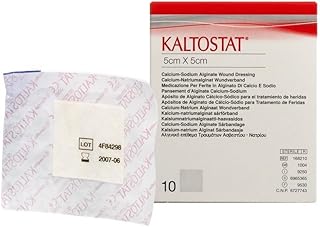
Hi, So sorry to hear your sad news. Please read this i have sent you, it is amazing.
See what you think, and this dressing is like magic. Anything is worth a try, especially
if you are unable to see a vet, or cannot afford too. You should be proud of yourself,
up until now. Your duck knows you are there for her, and i believe your TLC will give her
the strength to fight. I have also sent this a few weeks ago, on here, as someone else
had the same problem. Good luck, stay strong.
Hi, So sorry to hear your sad news. Have you heard of ALIGINATE dressing. It is brilliant
stuff. If he wound is deep, you can pack it with this dressing. Although i live in UK you
can google it where you live. It is not expensive,
Amazon stocks it too. The other reply
you have had, is good advice. But with this dressing especially if it is a gaping wound +
deep, clean with saline the best you can, then cut dressing, to the size you think, and with sterile tweezers, gently place inside wound. In other words pack it up. Then apply
another form of dressing on the top.If you are able get a lightweight bandage, or even
crepe bandage will do. And loosely wrap it around the wound. Leave it up to 2 days or
more. What happens this dressing, eats away at any bad bacteria tissue, in the wound.
And helps new tissue to grow. This stuff is amazing, especially on open gaping wounds.
Keep dressing it for around 10 days even longer. You will see the wound starting to close
in, each time you change it. It will not hurt her, when you take it out, and it will not look
nice either. Even smell a little. But that is all the dead tissue that the dressing has drawn out. We have used it many a time, if you cover her eyes and talk to her she will not notice, when you change it. I have copied and pasted it, for you to read. As then you
will understand better. Anything is worth a try, bless her. But of course it is up to you.
Thought i would let you know, as this dressing is brilliant. You can buy diffrent sizes they
also do it like rope. Where you cut it to size. You are doing well, she knows you are
there for her. And i believe that is giving her the strength not to give up.
 What Is an Alginate Dressing?
Alginate dressings
What Is an Alginate Dressing?
Alginate dressings are absorbent
wound care products that contain sodium and calcium fibers derived from seaweed. They come in the form of flat dressings that can be placed over open ulcers and rope dressings that are used for packing the wound, which absorb fluids and promote healing with
pressure ulcers,
diabetic foot ulcers, or
venous ulcers. An individual dressing is able to absorb up to 20 times its own weight. These dressings, which are easy to use, mold themselves to the shape of the wound, which helps ensure that they absorb wound drainage properly. This also makes these dressings ideal for using on ulcers in areas that are difficult to dress, such as heels and sacral areas.
How Do Alginate Dressings Work?
Alginate dressings are dry when initially placed on an open wound and become larger and more gel-like as they draw in fluids. This helps clear out the wound, prevents it from becoming dry, and protects it from harmful bacteria, which helps lower the risk of infection. These dressings also help promote new skin growth during the
wound healing process by ensuring that the wound area stays moist. This encourages
natural debridement via enzymes, which supplements the wound care provided by wound care practitioners in a clinical setting. The debridement process removes dead or damaged skin, promoting a healthier wound environment that aids
wound healing.
Alginate dressings can also help wounds that are bleeding. The calcium in these dressings helps stabilize blood flow, which slows bleeding.
How to Use an Alginate Dressing
Treating wounds with alginate dressings is a straightforward process if you follow the correct wound care procedure using these steps:
- Use normal saline solution to clean the wound area.
- Pat the area around the wound dry.
- Place the alginate dressing over the wound.
- Secure a secondary dressing over the alginate dressing to hold it in place.
- Change the dressing every one to three days, or when fluid starts to seep out from the edges of the dressings.
- Before removing the alginate during a dressing change, use saline to dampen it in order to lower the risk of damaging the surrounding skin