Orly,
The barring came from the white. White isn't really a color, it's a gene that prevents any color or pattern the bird has from showing up. Your white very likely was a cuckoo except you couldn't see it due to white 'blocking' it from showing up visually.
Barring is also sex linked, this means all hens are either barred or not barred, no in between('not pure'). Also barred/cuckoo hens will always give barring to all of their sons(they cannot pass it to daughters). Only cocks can be pure or not pure for barring, they can pass it or not pass it on to both sons and daughters. If you see a black chick without barring, it's automatically a pullet from this pairing. Much lighter chicks probably are cockerels, those would be the ones pure for barring.. as barring also has a dose effect, cocks with only one barring gene(not pure) are much darker than those pure for barring. Cuckoo marans are good example of double dose(roosters) vs single dose (hens).
Barring is often added to whites to help keep the white cleaner plus also help clean the legs of any color, as barring also dilutes pigments from a specific layer in skin of leg- if the bird has genes for black/green/blue legs, the barring will mostly or totally clear them off, leaving the legs a cleaner yellow or white.
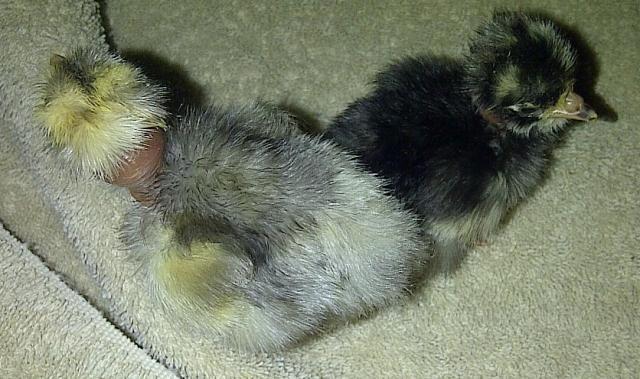
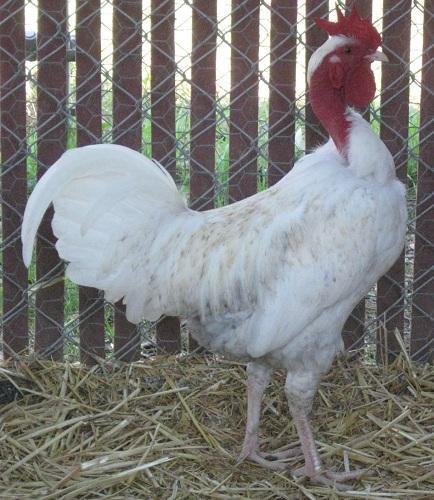
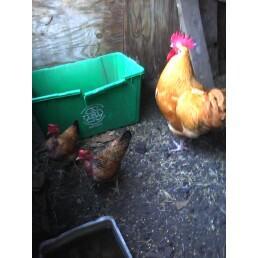
IF you happened to get the Bsd version of barring, will be able to create a line of auto sexing birds. Bsd is a much more extreme form of barring, roosters pure for it are almost totally white and hens are a lighter cuckoo. The chicks are sexable at hatch, cockerels are much lighter and greyer than pullets. This is sometimes used to add to whites, as it does a much better job at clearing the body and legs of color than regular barring/cuckoo. I got this version after crossing a bantam white turken. Pic of newly hatched with Bsd, no chance of mistaking which one is the boy or girl:
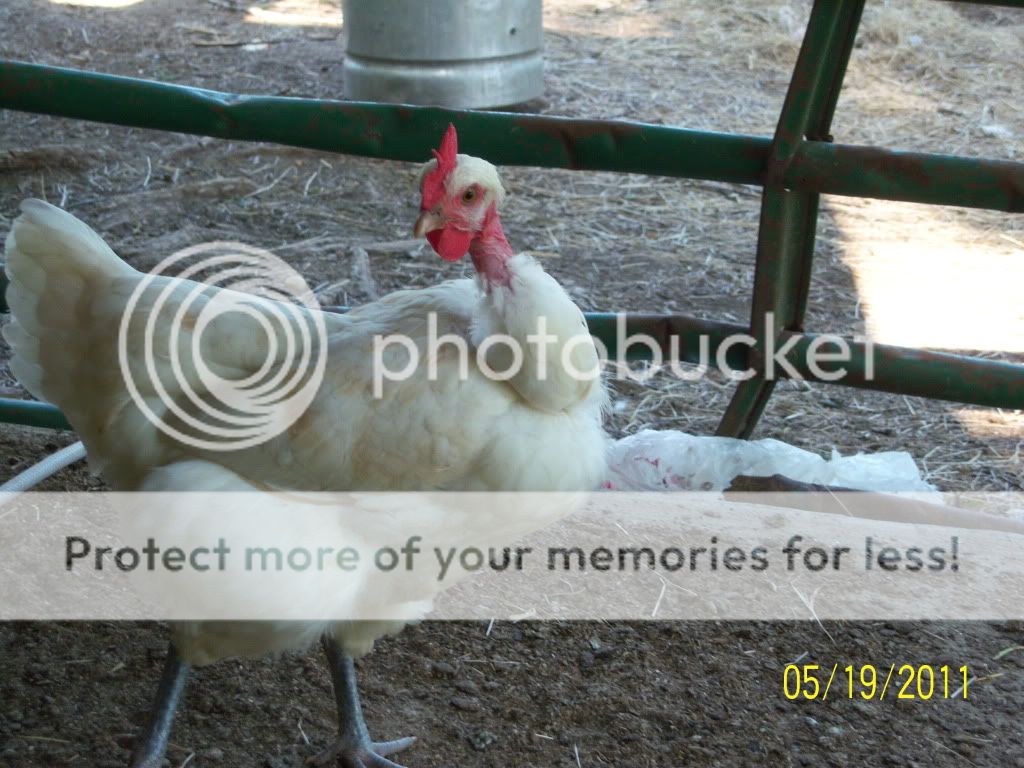
adult:
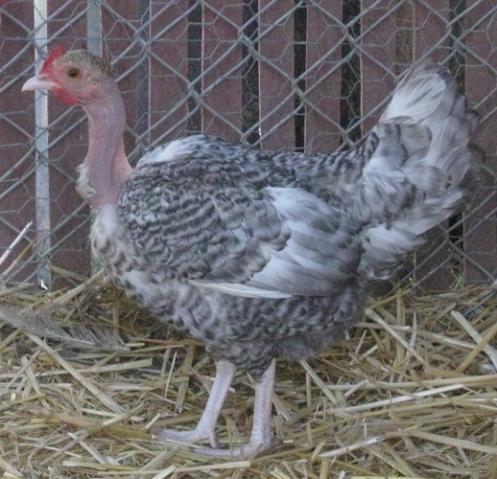
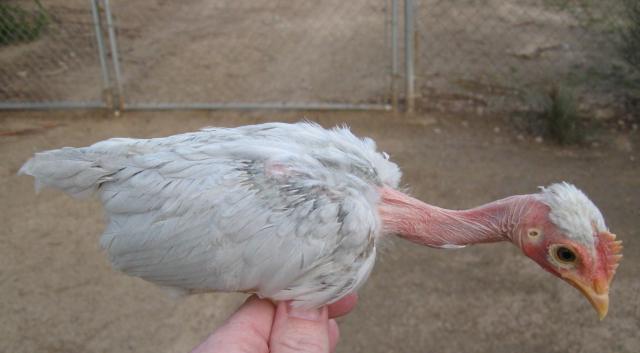
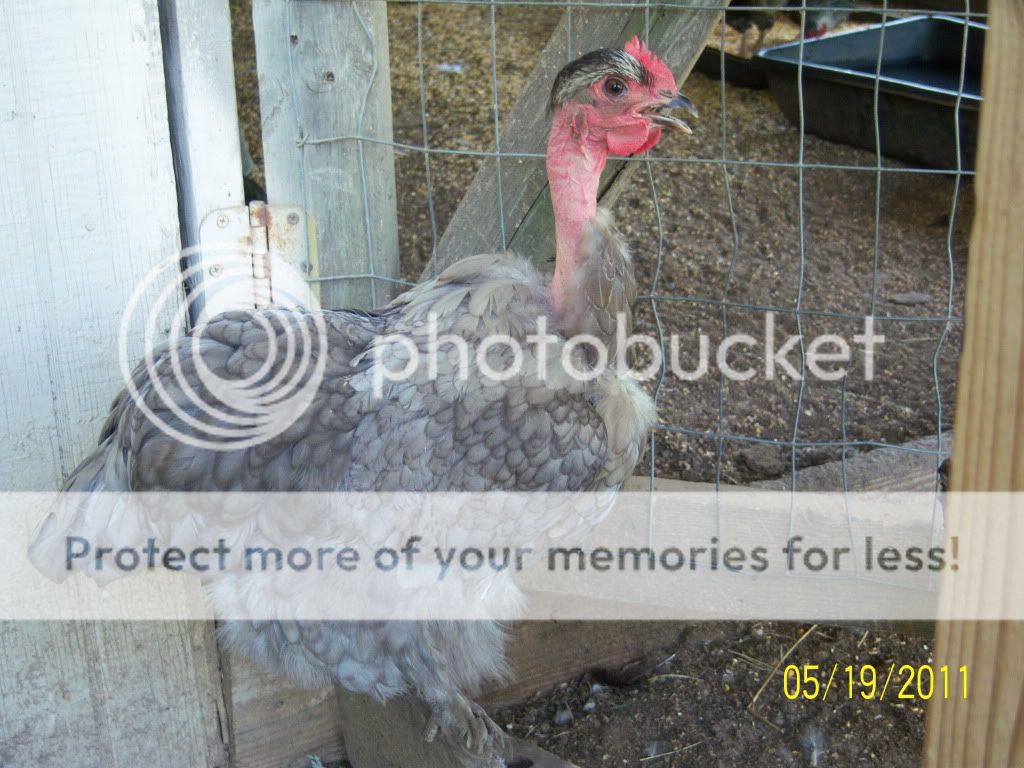
I do have bantams- currently in lavender, lavender cuckoo, a couple black cuckoo pullets. Here's a picture of one from earlier this year:
BTW I thought some more on mullets showing up, remembered almost all of them were from crosses and mixes with bantam araucanas.... it has showed up occasionally in unrelated lines, all were bantams, could not remember one showing up in standard size or large fowl.. Interesting... I'm sure it could show up in larges but since I've hatched quite good numbers over the years, just cannot remember one big bird with a mullet.. (heh, now that would be an interesting Sesame Street....)