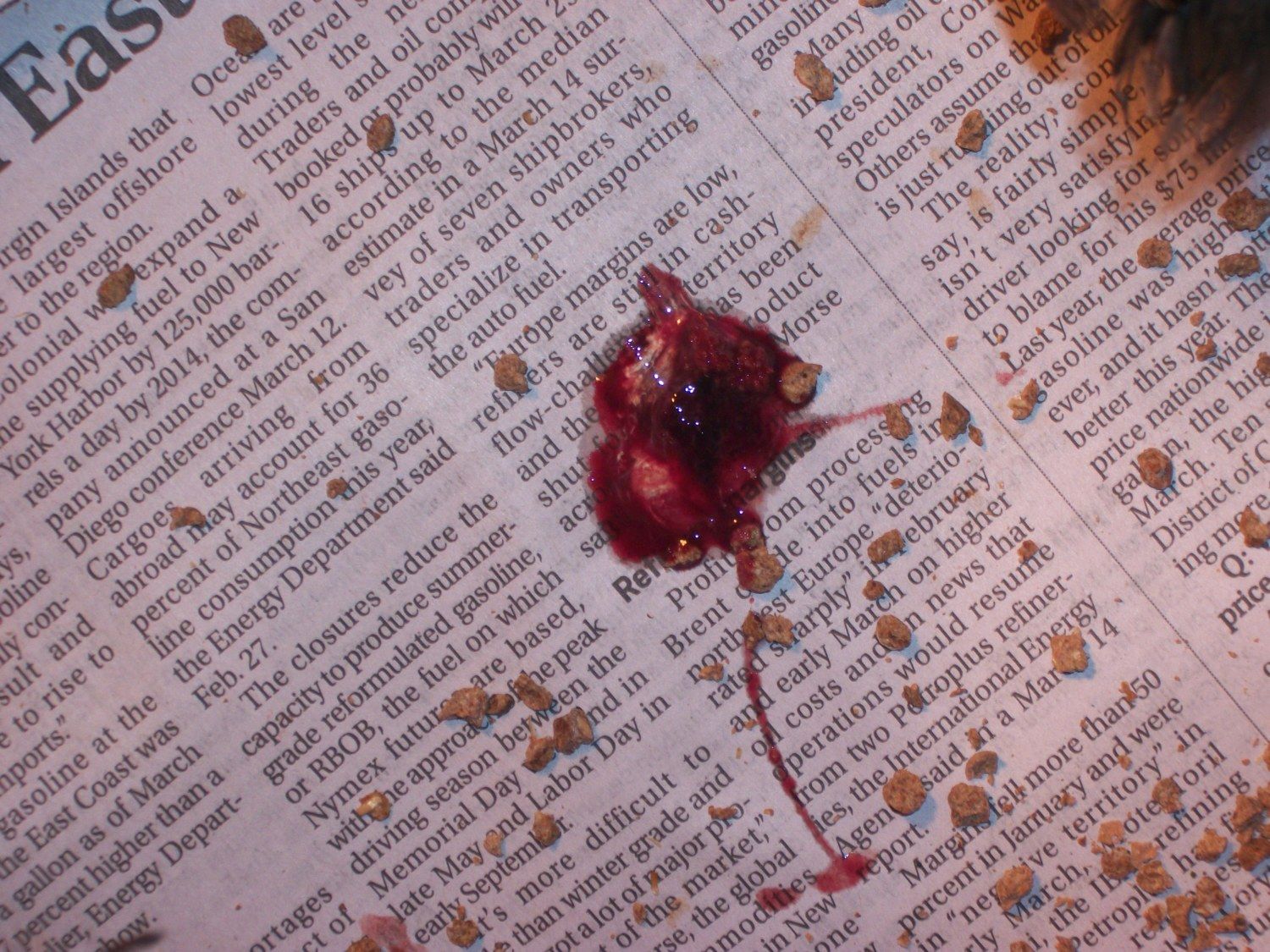
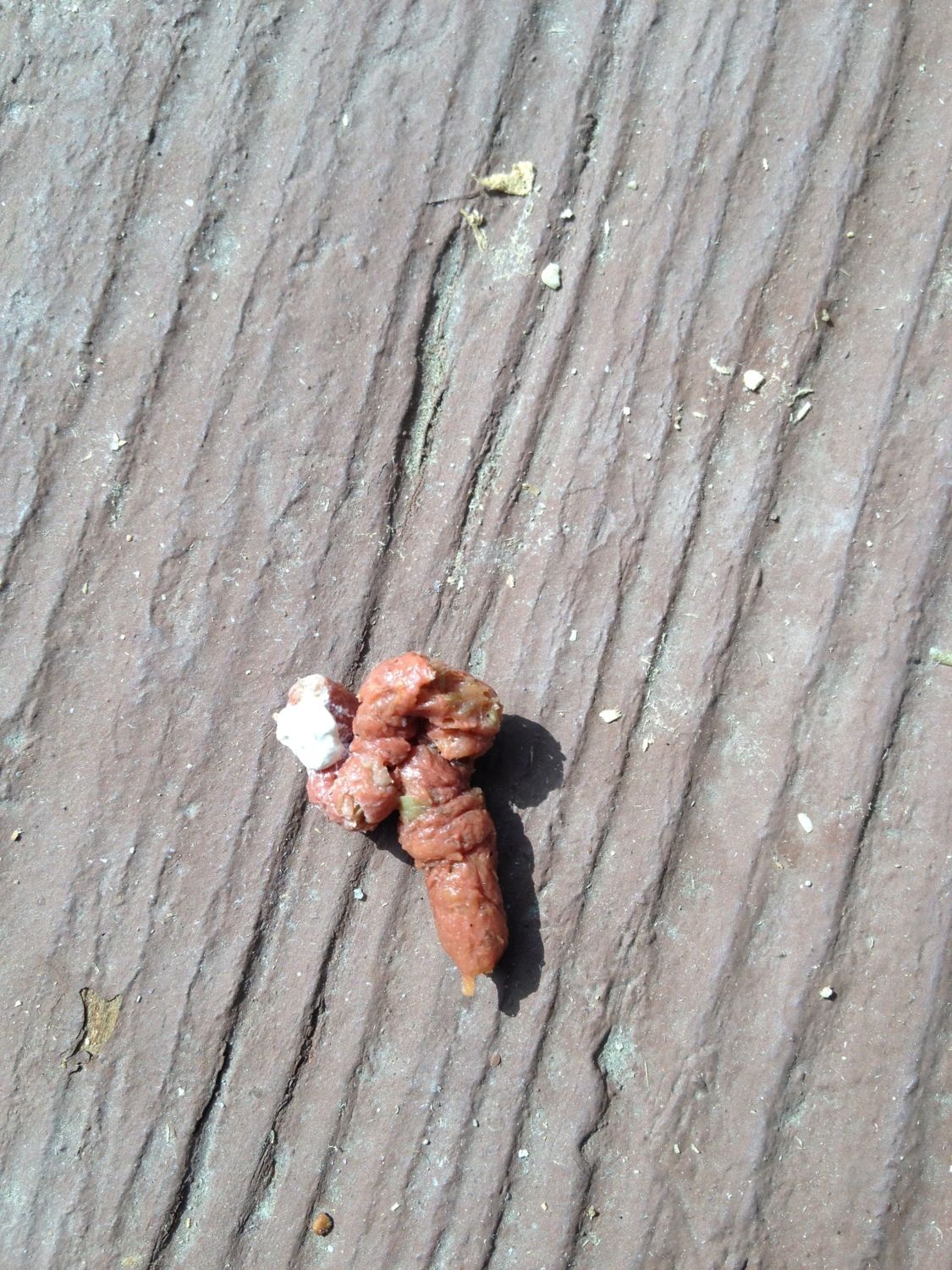
So, here's a veterinarian's perspective. Coccidia is a protozoan that basically interferes with normal digestion and absorption of nutrients from the intestinal tract. Because of the interference, that is why you get the loose, potentially bloody, diarrhea. And, the protozoan themselves can attract water from the body into the intestinal tract to add to the looseness, usually from their own waste products of their metabolism. They are spread via a fecal-oral route.
Most medications do not kill the organism, only suppress them enough for the individuals own immune system to take over dealing with the infection. Hence the term "coccidiostat". Depending on the stress level and nutritional status of the chicks, the infection can grab hold pretty strong and seem to occur overnight. Adults can harbor the organism, but because of a competent and mature immune system, usually deal with it naturally. The fact that youngsters get it and they haven't developed that immune system, leads to more problems with them. Then you add stress, which further suppresses the immune system, and the recipe for disaster is in place. All you can do is keep stress to a minimum and use coccidiostats that you can get from where you can. Good biosecurity measures of isolation and sanitizing go a long way to prevent spread. Always, if you have sick ones, they should be dealt with last. If you treat and feed them first, you have the potential to spread the organism to the rest of the chicks in your flock. Wash, wash, wash your hands after handling them. Each species has their own coccidia, but there can be zoonotic potential in some and you don't want to take that chance of picking it up yourself.
Doc